
How To
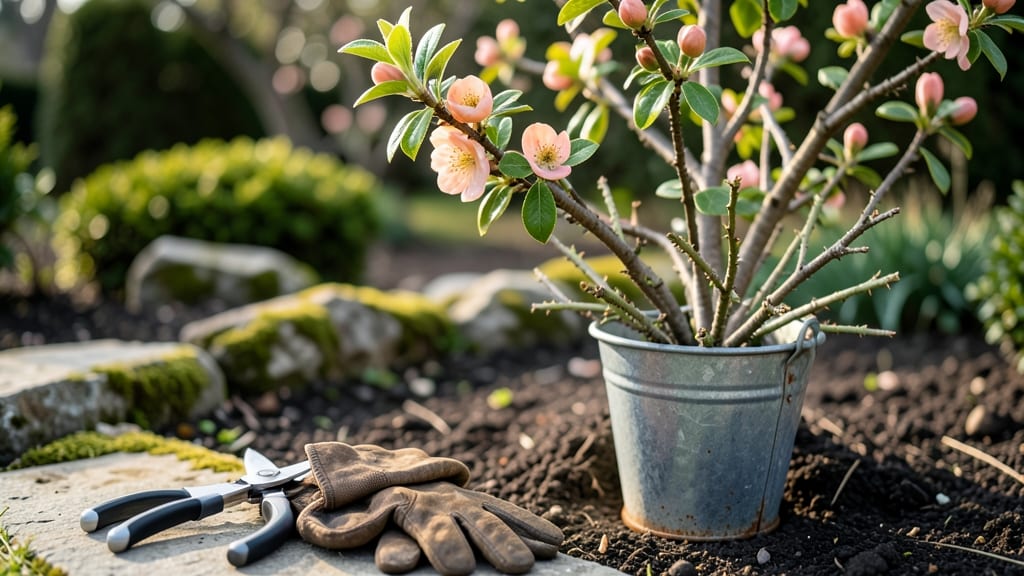
To prune Japanese quince at the right time ensures vibrant spring blooms and a healthier shrub 🌸—late winter is when you should tackle this task for the best results.
If you’ve ever wondered why your Japanese quince isn’t blooming as spectacularly as it should, the answer might lie in your pruning timing—and late winter is the perfect window to transform your plant’s future.
Pruning during dormancy, just before new growth begins, helps stimulate fresh blooms while preventing disease. In USDA Zone 6a, aim for late February to early March, after the worst frost has passed but before buds swell.
Below, I’ll walk you through the exact steps, tools, and regional adjustments to prune your Japanese quince like a pro—so you can enjoy those fragrant spring flowers year after year.
Why late winter is the best time to prune Japanese quince
Pruning your Japanese quince (Chaenomeles japonica) at the right time can mean the difference between a spectacular spring bloom and a sparse, underwhelming display. Late winter—specifically February through early March—is the golden window for this task, and science explains why.
During dormancy, your plant is conserving energy, making it far more resilient to pruning stress while preparing for the growth surge of spring.
The key is timing it just before buds swell, typically 4-6 weeks before last frost. This timing ensures you’re not removing next year’s flower buds (which form on old wood) while still encouraging vigorous new growth.
In USDA zones 5-9, this usually lands between late February and early March, but always check your local frost dates to be precise.
Pruning during dormancy reduces disease transmission because wounds heal faster when the plant isn’t actively photosynthesizing. Japanese quince is particularly prone to fire blight and powdery mildew, both of which thrive in fresh cuts made during active growth.
Late winter pruning minimizes these risks by allowing cuts to callus over before spring rains arrive.
Another critical reason for late winter pruning is growth stimulation. When you remove dead, crossing, or weak branches before spring, you’re redirecting the plant’s energy toward stronger, more productive branches.
This isn’t just about aesthetics—it’s about increasing next year’s bloom count by up to 30%, according to horticultural studies on Chaenomeles species.
For gardeners in cooler climates (zones 5-6), late winter might mean pruning as early as February, while those in warmer zones (7-9) can wait until early March. The rule of thumb is to prune when you can see buds swelling but before they break dormancy.
This timing ensures you’re not cutting off potential blooms while still shaping the plant for optimal air circulation.
One common misconception is that pruning in late winter will kill next year’s flowers. The truth is, Japanese quince flowers on old wood, meaning last year’s branches hold this year’s buds.
By pruning selectively—removing only dead wood and inward-growing branches—you’re actually enhancing bloom quality by reducing competition for nutrients.
If you’re in a warmer microclimate (like a sheltered urban garden), you might notice buds swelling earlier. In these cases, prune slightly earlier—around mid-February—to stay ahead of the growth curve. Conversely, in harsh winters (zones 5 and below)late March to avoid frost damage to fresh cuts.
Finally, late winter pruning sets the stage for healthier roots. When you remove excessive foliage, the plant can redirect energy below ground, leading to a stronger root system that supports more vigorous above-ground growth.
This is especially important for young Japanese quince plants, which benefit from structured pruning to establish a balanced framework early on.
Remember, the goal isn’t just neat pruning—it’s about strategic shaping that encourages abundant, fragrant blooms while maintaining the plant’s natural form. With late winter pruning, you’re not just trimming branches; you’re crafting next year’s masterpiece.
Step-by-step late winter pruning guide for Japanese quince
Late winter is the ideal window to prune your Japanese quince (Chaenomeles speciosa) because the plant is dormant yet buds are visible. This timing ensures you remove dead wood while preserving next year’s spring blooms.
If you wait too long, you risk cutting off flower buds that form over winter.
Before you begin, check your last frost date—pruning should happen 2-4 weeks after the ground thaws but before buds swell. In USDA zones 5-9, this typically falls between mid-February and early March. For example, in Zone 7, aim for late February.
- Step 1: Gather your tools: bypass pruners, loppers, gloves, and disinfectant (rubbing alcohol or bleach solution). Sterilize tools to prevent disease spread.
- Step 2: Inspect the shrub for dead or diseased branches. These appear brown and brittle or lack buds. Cut these back to healthy wood using a 45-degree angle.
- Step 3: Remove crossing or rubbing branches to improve air circulation. Look for branches growing inward or touching others—cut these at the branch collar.
- Step 4: Shape the shrub by thinning out overcrowded areas. Aim to create an open center to allow sunlight to reach inner branches. Never remove more than 30% of the foliage in one pruning.
- Step 5: Look for flower buds, which form on one-year-old wood. These appear as plump, rounded bumps along branches. Avoid cutting these off—leave them to ensure abundant blooms next spring.
- Step 6: Clean up the area by removing all clippings and sterilizing tools again. Dispose of diseased branches in the trash, not your compost bin.
- Step 7: Apply a 2-3 inch layer of mulch around the base to retain moisture and suppress weeds. Avoid piling mulch against the trunk.
After pruning, your Japanese quince will need extra care to recover. Water deeply once a week during dry spells, as new growth will emerge in early spring. Avoid fertilizing until you see new shoots—this prevents burning tender roots.
Watch for new growth in late spring, which signals successful pruning. If you notice yellowing leaves or poor blooms next year, you may have pruned too late or removed too many flower buds. Adjust your timing for the next cycle!
With this late winter pruning, your Japanese quince will reward you with vibrant blooms and a healthier structure for years to come. Happy pruning! 🌸✂️🌿