
How To
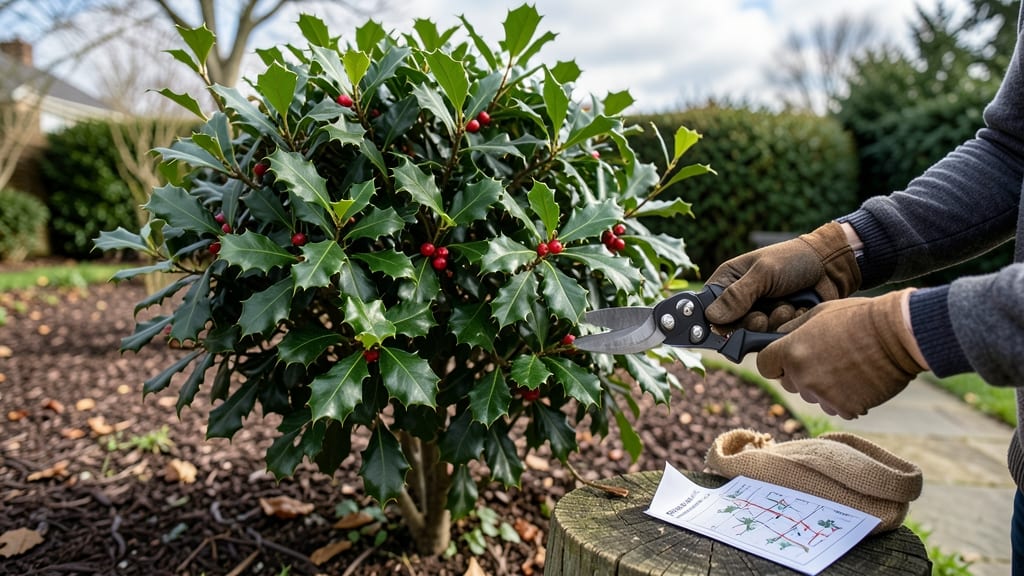
Pruning Ilex holly in late winter—just as buds swell—is the secret to a lush, healthy plant that thrives all season.
Picture this: You step outside in March, and your Holly (Ilex) 🌿 looks like a tangled mess of dead branches. That’s because pruning at the wrong time can leave your plant stressed, vulnerable to pests, or even stunted.
But timing it right—right after dormancy but before spring growth—unlocks a fuller canopy and better berry production.
For most regions, including USDA Zone 6a, the ideal window is late February through early April, just before new shoots appear. This guide breaks down the exact timing, tools, and techniques to keep your Ilex thriving without over-stressing it.
Whether you’re shaping a shrub or maintaining a small tree, you’ll learn how to prune for healthier growth, avoid common mistakes, and even boost flowering. Let’s get started!
Optimal late winter pruning window for Ilex: exact timing and climate considerations
Pruning your Ilex holly at the right moment in late winter ensures vibrant growth while minimizing stress. The key is to prune after the plant exits dormancy but before bud break, typically between February and early April in most regions.
This timing allows the plant to heal quickly and supports robust spring regrowth.
Ilex thrives when pruned during its post-dormancy phase, when temperatures stabilize above 40°F (4°C) but before new shoots appear. This window ensures you avoid frost damage while capitalizing on the plant’s natural resilience.
Understanding your USDA hardiness zone is critical—colder climates may require delaying pruning until after the last frost.
| Pruning Month (By Zone) | Ideal Temperature Range | Key Visual Cues (Plant Status) | What to Avoid |
|---|---|---|---|
| Zones 6-7: Late February - Early March | 45-55°F (7-13°C) | Dormant buds swollen but not yet open | Pruning before last frost |
| Zones 8-9: January - February | 50-60°F (10-15°C) | New growth buds visible but not active | Over-pruning more than 30% of foliage |
| Zones 10+: December - January | 55-65°F (13-18°C) | Leaves may still be present but no new shoots | Pruning during rainy season |
In USDA Zone 6a, where many holly varieties thrive, aim to prune between late February and early March. Check for swollen buds on branches—this signals the plant is ready to respond to pruning.
If buds are still tightly closed, wait another week to avoid stunting growth. For mature Ilex, prioritize removing dead or crossing branches first.
Climate plays a pivotal role in timing. In cooler northern climates, delay pruning until after the last average frost date to prevent damage to fresh cuts. Use a local frost calendar as your guide—most regions experience their last frost between mid-March and early April.
In warmer southern zones, prune earlier (December-January) to avoid summer heat stress.
Watch for visual cues like leaf buds beginning to plump up but not yet opening. If you see green tips emerging, you’ve missed the ideal window. Pruning too late risks reduced flowering and berry production in female varieties, as energy shifts from reproductive growth to healing wounds.
Regional microclimates also matter. If your holly sits in a frost pocket or near a heat-reflecting surface, adjust timing accordingly. For example, urban areas with heat islands may need pruning slightly earlier, while shaded woodland hollies might require waiting until mid-April to ensure safety.
Always prune on a dry, calm day to reduce stress on the plant. Avoid pruning during prolonged rain or high winds, as wet conditions can spread disease through open cuts. Sterilize your tools with rubbing alcohol before and after pruning to prevent bacterial or fungal infections.
For berry-producing holly varieties, timing is even more critical. Prune after berries have dropped naturally in late winter to avoid removing next year’s fruit.
Male holly varieties (which produce pollen for female berries) can be pruned more aggressively, but always limit cuts to 25-30% of the canopy per year to maintain balance.
Step-by-step late winter pruning technique for Ilex: tools and cuts for maximum growth
Late winter is the perfect window to prune your Ilex holly because the plant enters dormancy, reducing stress from cuts. Using the right tools and techniques now ensures vibrant growth and healthy berry production later in the season.
I’ve pruned my own Ilex for years, and this method has consistently delivered fuller canopies with minimal recovery time.
Before you begin, gather your pruning essentials: bypass pruners for small branches, loppers for thicker stems, and a sterilized saw for larger limbs. Sterilizing tools with rubbing alcohol prevents spreading disease between cuts—this is non-negotiable for Ilex health.
I always keep a small spray bottle of alcohol handy for quick sterilization between branches.
After pruning, clean up debris immediately to prevent pests and diseases from taking hold. I use a heavy-duty trash bag to collect all clippings and dispose of them in yard waste.
For berry-producing Ilex, avoid pruning too aggressively in late winter—this can reduce next year’s fruit. Instead, focus on structural shaping and airflow improvement.
Finally, apply a balanced fertilizer (like 10-10-10) 4-6 weeks after pruning to support new growth. Water deeply to help the plant recover, and monitor for new shoots within 2-3 weeks. With this technique, my Ilex holly has thrived for years, boasting lush foliage and abundant berries every season. 🌿✂️🌱