
Pruning
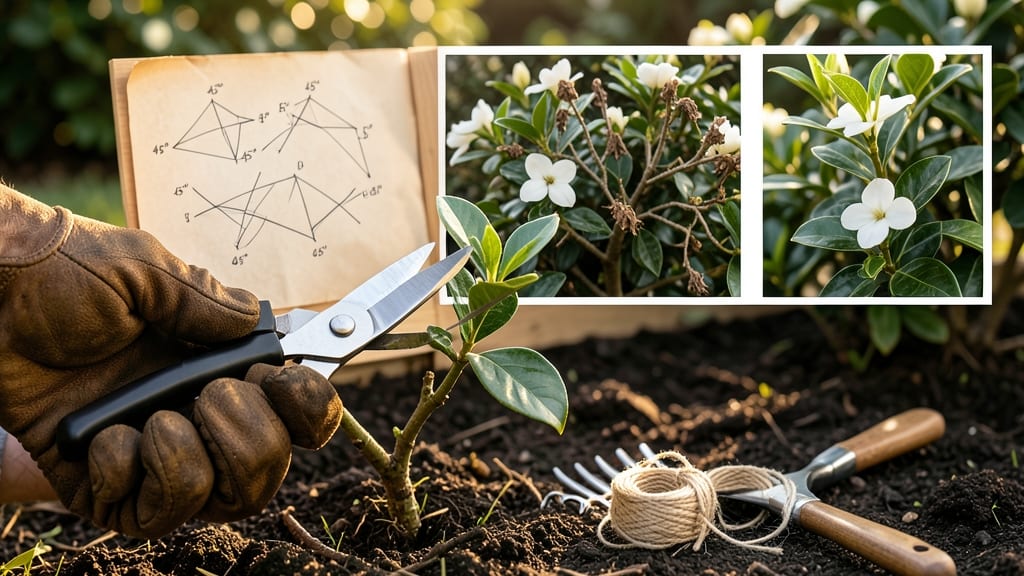
Pruning gardenias in Georgia at the right time—late winter—is the secret to fragrant blooms that last all season.
If you’ve ever waited too long and missed the sweet-smelling flowers, you know timing matters. Georgia’s humid climate and hot summers demand precision: prune too early, and your gardenias may struggle with cold stress; too late, and you risk stunted growth.
But stick to the 4-6 week window after the last frost (typically February to early March), and you’ll set your gardenias up for a spectacular spring display.
This isn’t just about cutting back dead branches—it’s about shaping the plant to encourage new growth while avoiding fungal issues common in Georgia’s damp air. The key is knowing when to trim, how much to remove, and how to care for your gardenias afterward to keep them thriving.
In this guide, I’ll walk you through the exact timing, step-by-step pruning techniques, and post-care tips tailored to Georgia’s 7b-8b zones. Whether you’re a first-time gardener or a seasoned pro, these insights will help you master the art of pruning gardenias for lush, fragrant blooms year after year.
Optimal late winter pruning timeline for Georgia gardenias
Georgia gardenias thrive when pruned during their dormant season, but timing is everything. The 4-6 week window after your last frost—typically late February to early March—gives your plants just enough time to recover before spring's heat arrives.
This window balances stimulating new growth while avoiding cold damage or early heat stress that can weaken your shrubs.
In North Georgia (Zones 7a-7b), where frosts linger until mid-March, aim to prune by mid-February. Meanwhile, South Georgia (Zones 8a-8b) gardeners can wait until early March when frost risks drop significantly. This regional adjustment ensures your gardenias have optimal conditions to rebound with vigorous spring blooms.
Why late winter? Pruning too early exposes tender new growth to late frosts, while waiting too long delays the plant's ability to establish roots before summer's heat. The ideal window aligns with Georgia's humid subtropical climate, where warm, moist air helps wounds heal quickly after pruning.
Missed the window? Don't panic—you can prune gardenias lightly in May to shape growth, but avoid heavy pruning after mid-April. This prevents summer stress and ensures blooms form properly on old wood (gardenias bloom on previous year's growth).
After pruning, focus on post-care essentials to set your gardenias up for success. Apply a 2-3 inch layer of mulch around the base to retain moisture and regulate soil temperature. Georgia's humid summers make mulching critical—it prevents soil-borne diseases like powdery mildew that thrive in our warm, damp air.
Water deeply but infrequently after pruning—aim for 1-2 gallons per plant every 5-7 days until new growth appears. This encourages root development without over-saturating the soil. Avoid overhead watering, which can spread fungal spores to fresh pruning wounds.
For extra protection, apply a copper fungicide spray after pruning if your gardenias are prone to powdery mildew. Georgia's high humidity (often 70%+) creates perfect conditions for this disease, so proactive care pays off. Spray in the early morning when humidity is lowest for best results.
Watch for new growth signs like tight green buds appearing at branch tips—this confirms your pruning was successful. In North Georgia, expect buds by late April, while South Georgia gardenias may show buds as early as mid-April.
Adjust your care routine accordingly to support this critical growth phase.
Remember: pruning gardenias isn't just about shaping—it's about balancing growth hormones to maximize blooms. By pruning in this late-winter window, you're telling your gardenias, "It's time to push new growth and prepare for summer's floral display."
With Georgia's climate, precision timing makes all the difference between a few scattered blooms and a lush, fragrant hedge.
🌸
Step-by-step pruning guide: how to shape gardenias for maximum blooms
Pruning your gardenias isn't just about cutting back—it's about shaping them to encourage healthier blooms while maintaining their natural vase-like form. Georgia’s humid climate means we must be extra careful to avoid fungal infections after pruning, but the right technique will transform your shrubs into fragrant, flowering powerhouses.
Start by gathering your tools: sharp bypass pruners, sterilized rubbing alcohol, and gardening gloves. The goal is to remove dead or crossing branches while opening the center for better air circulation—a must in Georgia’s damp air.
Let’s dive into the step-by-step process to achieve that perfect rounded, layered shape.
Step-by-Step Pruning Process
- Step 1: Remove dead wood first—look for branches that are brown, brittle, or hollow. Cut these back to the main stem at a 45-degree angle.
- Step 2: Thin crowded branches to improve airflow. Focus on inner branches that rub against each other, reducing competition for nutrients.
- Step 3: Shape the shrub by trimming outer growth to encourage a rounded, layered look. Aim for a vase shape with branches spaced evenly.
- Step 4: Prune spent blooms after flowering by cutting back to the nearest leaf node. This encourages new growth and more blooms.
- Step 5: Sterilize tools between cuts with rubbing alcohol to prevent fungal spread in Georgia’s humid climate.
When shaping your gardenia, always cut just above a leaf node or outward-facing bud to direct growth where you want it. Avoid over-pruning, as this can stress the plant and reduce blooming. Aim to remove no more than 25% of the plant’s foliage in a single session.
After pruning, apply a fungicide spray to protect cuts from powdery mildew, a common issue in Georgia’s damp climate. Water the base of the plant deeply to help it recover, and avoid wetting the foliage to prevent fungal spores from settling.
Monitor your gardenias for new growth in 4-6 weeks. If you notice yellowing leaves or stunted growth, it may indicate over-pruning or nutrient deficiency. In this case, apply a balanced fertilizer (like 10-10-10) to encourage recovery and future blooms.
With proper pruning, your gardenias will thrive, producing abundant, fragrant blooms all season long. Remember, the key is patience and precision—especially in Georgia’s climate where humidity can turn pruning mistakes into bigger problems. 🌸