
Plants
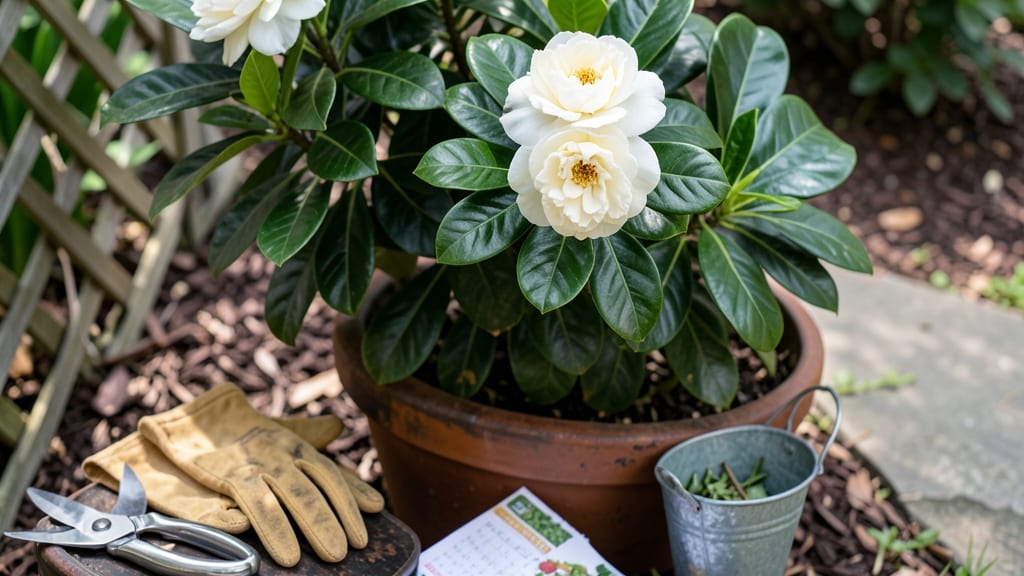
Pruning gardenia plants at the right time ensures fragrant blooms and healthy growth 🌸 — and the late-winter window is your best bet for maximum impact.
Struggling to keep your gardenias blooming beautifully? The secret lies in timing—prune at the wrong time, and you risk stunted growth or no flowers at all. Discover the exact late-winter window to prune gardenias for lush foliage and that signature sweet scent.
In USDA Zone 9b and warmer climates, gardenias thrive when pruned just before new growth kicks in, usually in late February or early March. This timing avoids damaging buds and gives your plant the best start for spring blooming.
Below, I’ll break down the step-by-step process, tools you’ll need, and common mistakes to avoid—so you can prune with confidence and enjoy gardenias at their best.
Best late-winter pruning timeline for gardenia blooms
Timing is everything when it comes to pruning your gardenia plants. Late winter is the ideal window to encourage vibrant blooms, but the exact schedule depends on your climate zone and whether you grow temperate or tropical varieties.
Prune too early, and you risk frost damage; wait too long, and you may miss the bud formation stage that triggers spring blooms.
For most gardeners in USDA Zones 8-10, the 4-6 week pruning window opens after the last frost threat has passed but before new growth begins. This typically falls between mid-February and early April, depending on your region.
In colder zones (7 or below), delay until late March or April to avoid frost-sensitive damage.
Tropical gardenias (like Gardenia jasminoides) have a different schedule—they bloom year-round in warm climates, so prune after flowering to maintain shape. In cooler areas where they're grown as container plants, follow the same late-winter timing as temperate varieties.
Look for these signs of dormancy to confirm it's time: bare branches, dropped leaves, and a slowdown in growth. These cues signal your gardenia is resting and ready for a renewing prune.
| Climate Zone | Best Pruning Window | Key Cues | Avoid Pruning If |
|---|---|---|---|
| USDA Zones 8-10 (Temperate) | Mid-February to early April | Dormant branches, no new buds | Frost forecasted or buds forming |
| USDA Zones 7 or below | Late March to April | Soil thawed, no frost risk | Before last frost date |
| Tropical (Year-Round Bloom) | After flowering (anytime) | Wilted blooms, leggy growth | During active bloom phase |
| Potted Gardenias (All Zones) | Late winter (March) | Root-bound, slow growth | During heatwaves or drought |
In Zone 9b (like Florida or Southern California), where frost is rare, you can prune as early as January if your gardenia shows dormancy signs. However, avoid pruning if buds are already forming—this signals the plant is preparing to bloom, and cutting now could reduce flower production.
For container gardenias, late winter is perfect for root pruning too. Gently loosen roots if you notice circling roots or stunted growth. This encourages new root development and better nutrient uptake when spring arrives.
If you miss the late-winter window, don’t panic—you can prune lightly in early spring (before buds swell) or post-bloom (after flowers fade). Just avoid heavy pruning in summer or fall, as this can stress the plant and delay next year’s blooms.
Pro tip: Shape your gardenia while pruning to improve air circulation. This reduces fungal diseases like powdery mildew, which thrive in dense, humid foliage. Aim for an open, vase-like shape to let light and air reach the center.
After pruning, give your gardenia a light fertilizer application (like chelated iron) to support new growth. Water deeply but avoid overwatering, which can cause root rot in the warm soil of late winter.
Watch for new buds forming within 4-6 weeks of pruning—a sure sign you’ve timed it right! If no buds appear by spring, you may have pruned too late or too aggressively.
🌸
Step-by-step late-winter pruning guide for healthy gardenias
Late-winter pruning is your secret weapon for vibrant gardenia blooms and lush foliage. This is the perfect time to encourage new growth while removing dead or weak wood—but timing and technique matter.
Prune too early, and you risk frost damage; wait too long, and you miss the early spring growth surge. Let’s dive into the step-by-step process to transform your gardenia into a fragrant, healthy beauty.
Before grabbing your pruners, gather the right tools and safety gear. You’ll need sharp bypass pruners for clean cuts, sterilized shears to prevent disease, and gloves to protect your hands from thorny branches.
A disinfectant solution (like 1 part bleach to 9 parts water) is a must to sanitize tools between cuts. Safety first—always prune on a dry, sunny day to avoid slippery tools or hidden pests.
When to Prune Gardenia Plants
- 📅 Late Winter (Zones 8-10): Prune 4-6 weeks before last frost (typically February-March). Look for dormant buds forming at branch tips.
- ❄️ Temperate Climates: Wait until after the last frost but before new growth begins (usually late February to early April).
- 🌴 Tropical/Subtropical (Zones 11+): Prune after flowering season (late winter/early spring) to avoid summer heat stress.
- 🌱 Signs It’s Time: No new leaves, dormant branches, and soil slightly warmer (test with your hand).
- ⏰ Avoid Pruning: Never prune in fall (encourages tender growth vulnerable to frost) or mid-summer (stresses the plant).
Start by removing dead, diseased, or crossing branches first. Use your pruners to make clean cuts at a 45-degree angle, about 1/4 inch above a bud or leaf node. This encourages upward growth and prevents water pooling on wounds.
For thick branches, cut in three stages: first undercut, then top-cut, and finally smooth the edge. Never leave stubs—they invite pests and rot.
Next, shape your gardenia for better airflow and sunlight penetration. Aim for an open, rounded form—this reduces humidity buildup (which causes powdery mildew) and encourages blooms. Trim overly dense areas by thinning out 1/3 of the oldest wood to stimulate new shoots.
Avoid shearing (like hedge trimming), as gardenias bloom on old wood, and aggressive cuts can reduce next year’s flowers.
After pruning, inspect your cuts for smooth edges and no jagged tears. If you see ragged cuts, use a sharp knife to clean them up.
Apply a wound sealant (like pruning paste) only if your cuts are larger than 1/2 inch—small cuts heal naturally with time and proper care. Water your gardenia deeply after pruning to reduce stress and encourage root recovery.
In the weeks following pruning, focus on post-care to maximize blooms. Apply a balanced, acidic fertilizer (like 10-10-10 with iron) to boost new growth, and mulch around the base with pine bark or compost to retain moisture and regulate soil temperature.
Monitor for new buds—these will develop into next year’s flowers! Keep your gardenia in partial shade (morning sun only) and water consistently to avoid drought stress.
With proper late-winter pruning, your gardenia will reward you with fragrant blooms all summer long. Remember: patience and precision are key—rush the process, and you’ll sacrifice next year’s beauty. Now grab your tools and give your gardenia the care it deserves! 🌸✂️