
Pruning
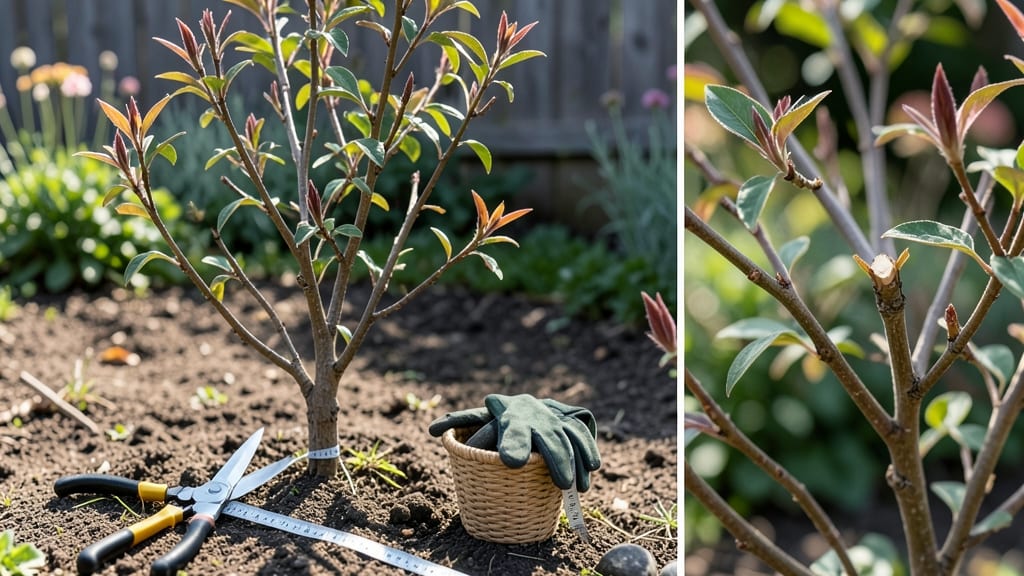
Pruning your butterfly bush 🦋 in Zone 7 at the right time means the difference between a fragrant summer explosion of blooms and a sparse, leggy mess.
Picture this: You’ve just finished trimming your butterfly bush (Buddleia), only to realize you waited too late—and now your plant is struggling to bounce back before the heat hits. Or worse, you pruned too early, and frost nibbled the tender new growth right back.
In Zone 7, the ideal window is late winter, just as the plant stirs from dormancy but before buds swell. This timing ensures you’re cutting back dead wood while leaving enough energy for a vigorous spring rebound and those coveted summer blooms.
Below, I’ll walk you through the exact steps to time your prune, what tools to use, and how to avoid the most common mistakes—so your butterfly bush puts on a show instead of playing hide-and-seek.
Optimal late winter pruning timeline for Zone 7 butterfly bush
In Zone 7, timing your butterfly bush (Buddleia) prune is critical to ensure vibrant summer blooms and healthy growth. The ideal window falls in late winter—specifically, the 4-6 weeks before last frost, when the plant is still dormant but temperatures begin to rise.
This period typically spans mid-to-late February through early March, depending on your exact location within Zone 7.
Pruning too early—when temperatures are still near freezing—can shock the plant and encourage premature growth that dies back with late frosts. Conversely, waiting until spring (after new buds swell) risks reduced flowering and a less structured shrub.
The key is to prune before new growth begins but after the worst winter cold has passed.
Here’s how to determine if your butterfly bush is ready for pruning:
- Check for dormant buds—they should appear shriveled and brown, not swollen or green.
- Monitor ground temperatures—aim for consistent daytime highs above 40°F for at least a week.
- Look for leaf emergence in nearby plants like forsythia or lilacs, which signal spring’s arrival.
Zone 7 spans a wide geographic range, from the cooler Appalachians to the warmer Southeast. In northern Zone 7a (e.g., Cincinnati, OH), prune in late February when daytime temps hover around 45°F.
In southern Zone 7b (e.g., Atlanta, GA), aim for early March, as milder winters allow earlier pruning.
Butterfly bushes bloom on new wood, meaning last year’s growth won’t produce flowers. Pruning in late winter removes dead or weak stems while encouraging vigorous new growth that will flower abundantly. If you prune too late, you’ll miss the optimal 4-6 week regrowth window before summer heat sets in.
After pruning, apply a 2-3 inch layer of mulch around the base to retain moisture and insulate roots as temperatures fluctuate. This step is especially important in drier Zone 7 regions like Texas Hill Country, where spring droughts can stress newly pruned plants.
Watch for bud swell in early spring—a sure sign you’ve missed the ideal pruning window. If you see green tips or leaves, hold off until next year’s late winter.
The goal is to shape the plant while it’s still dormant, ensuring maximized blooms and a neat, healthy structure for pollinators.
🦋
Step-by-step late winter pruning guide for butterfly bush
Late winter is the perfect time to prune your butterfly bush (Buddleia) in Zone 7 because it encourages vigorous new growth and maximizes summer blooms.
Since butterfly bushes bloom on new wood, cutting back old stems in late winter removes dead growth while preserving next season's flower potential.
Before you begin, check for dormancy signs like no leaf buds and dry stems. Wait until after the last frost (around mid-April in Zone 7) but before bud swell appears. This timing ensures you don’t accidentally cut off emerging growth.
✂️ Sharp pruning shears or loppers for thicker branches
🧴 Rubbing alcohol (70% isopropyl) to sanitize tools
🧤 Gloves (optional, for thorn protection)
Wipe blades with rubbing alcohol to prevent spreading diseases like powdery mildew.
Use a clean cloth to dry blades after sanitizing.
Cut back last year’s stems to 4-6 inches above the ground.
Leave 1-2 healthy stems per section for regrowth.
Cut at a 45-degree angle just above a bud or node.
Avoid leaving stubs or tearing the bark.
Rake up pruned branches and fallen leaves to prevent pests.
Dispose of debris in a green waste bin or compost pile.
Apply a 2-inch layer of mulch around the base.
Water deeply to encourage root growth before new buds emerge.
After pruning, your butterfly bush will send out fresh shoots from the base, signaling healthy regrowth. Apply a balanced fertilizer (10-10-10) in early spring to support new growth and blooms. Avoid heavy pruning in subsequent years—just shape lightly to maintain airflow and sunlight.
If you notice yellow leaves or stunted growth after pruning, your plant may need extra care. Water consistently and monitor for pests like aphids, which thrive on new shoots. With proper timing and technique, your butterfly bush will reward you with fragrant blooms all summer long.