
How To
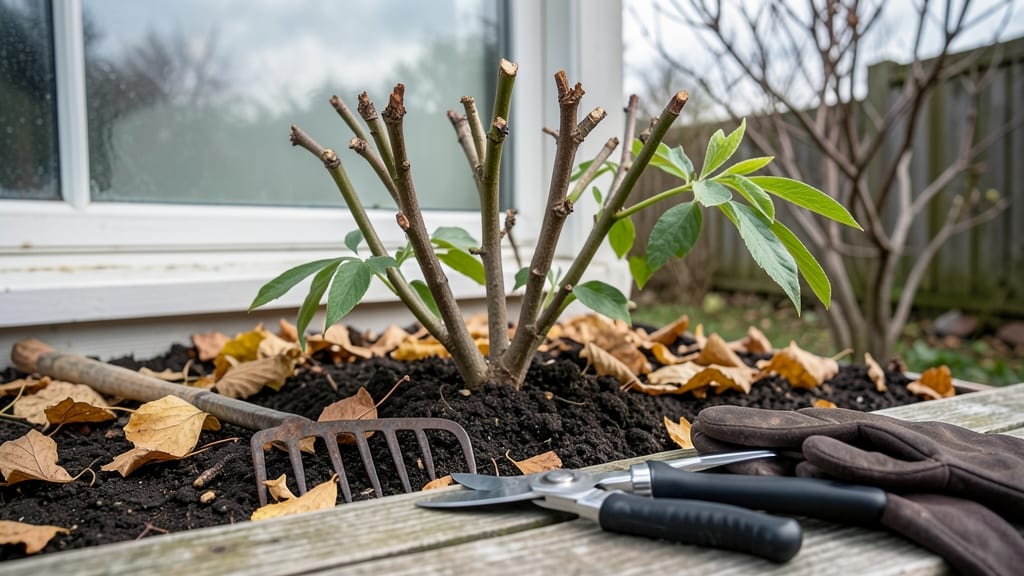
Pruning back peonies after they finish blooming is the key to keeping your 🌸 bushes thriving for years.
But timing matters more than you think—cut too early, and you risk losing next year’s flowers. Too late, and you risk disease or weak regrowth. The best time depends on your climate, and getting it right means fewer headaches and more stunning blooms.
In most regions, including USDA Zone 6a, wait until late fall or early winter when the foliage turns brown and dies back naturally. This gives the plant time to store energy for spring growth. If you’re in a warmer zone, aim for late summer after the blooms fade.
Below, I’ll walk you through the exact steps, tools, and common mistakes to avoid—so you can prune with confidence and enjoy a garden full of vibrant peonies every season.
Best time to prune peonies by USDA climate zones (with exact timing)
Peonies thrive when pruned at the right time, but wrong timing can stunt blooms or even harm the plant. Unlike many perennials, peonies form next year’s flower buds on stems that appear after pruning.
Cutting too early or too late disrupts this process, leading to fewer—if any—showstopping blooms the following spring.
Your USDA climate zone dictates the best window, with late-summer to early-fall being ideal for most regions. However, gardeners in warmer zones (8-9) often prune later, while those in colder zones (3-5) may need to wait until spring.
Let’s break down the exact timing for each zone to ensure your peonies stay healthy and burst into color every season.
Why timing matters: Peony flower buds develop on new growth that emerges after pruning. If you cut back too soon, you remove potential blooms. If you wait too long, the plant may miss its dormancy period, weakening next year’s growth. The key is to prune after foliage dies back but before hard frosts set in.
| USDA Zone | Best Pruning Time | Key Cues | Avoid Cutting |
|---|---|---|---|
| 3-5 (Cold Climates) | Early Spring (March-April) | After last frost, when new shoots appear | Before March 15 (risk of frost damage) |
| 6-7 (Temperate) | Late Summer (August-September) | When foliage turns brown and stems die back | After September 15 (misses dormancy) |
| 8-9 (Warm Climates) | Early Fall (October-November) | After first frost or when leaves yellow | Before October 1 (stems may regrow) |
In USDA zones 3-5, where winters are harsh, prune in early spring (March-April) after the last frost date. Look for new shoots emerging from the ground—this signals it’s safe to cut back.
Pruning too early can expose the crown to frost, while waiting too long delays the plant’s energy reserves for next year’s blooms.
For zones 6-7, the sweet spot is late summer (August-September). Wait until the foliage turns brown and the stems feel crispy to the touch. This ensures you’re not removing next year’s flower buds, which form on new growth after pruning.
In my garden, I mark the first frost date on my calendar and prune 2-3 weeks before it arrives.
Gardeners in zones 8-9 have the most flexibility, thanks to milder winters. Prune in early fall (October-November), after the first frost or when leaves yellow naturally.
The goal is to let the plant enter dormancy before cutting back. If you prune too early, the stems may regrow, weakening the plant before winter.
One common mistake is pruning right after flowering. While this might look tidy, it removes the energy storage leaves that feed the roots and next year’s blooms. Always wait until the foliage dies back naturally—this is your cue that the plant is ready for a trim.
After pruning, mulch around the base with 2-3 inches of organic mulch (like shredded bark) to protect the crown during winter. In zones 3-5, add an extra layer of mulch for insulation. Avoid heavy mulch piles, which can smother the crown and cause rot.
If you miss the ideal window, don’t panic. In zones 6-9, you can prune in early spring (February-March) without severe consequences. However, the earlier you prune, the longer it takes for the plant to recover and produce blooms that season.
For best results, stick to the zone-specific timing in the table above.
Pro tip: Take a photo of your peonies after flowering but before pruning. This helps you visualize where the flower buds will emerge next year, so you can avoid cutting them off accidentally. Happy pruning—your future blooms will thank you!
5 Critical signs your peonies need pruning (and when to act)
Your peonies might look stunning now, but if you ignore these 5 warning signs, next year’s blooms could suffer—or worse, your plant could decline. Peonies store energy in their roots and crowns, so pruning at the wrong time disrupts their growth cycle.
Let’s explore the visual cues that scream “prune me now!”
First, watch for leggy stems stretching tall without blooms. This happens when peonies get too much nitrogen or not enough sunlight, causing them to focus on foliage growth instead of flower buds.
If your stems are barely holding up weak blooms or flopping over, it’s time to prune back 1/3 of the plant to encourage stronger regrowth.
Next, check for fungal spots or blackened stems. Peonies are prone to botrytis blight and powdery mildew, especially in humid climates. If you see dark patches or fuzzy white growth, prune affected stems immediately—cut 6 inches below the infected area to prevent spread.
Always sterilize your pruning shears with rubbing alcohol first!
- 1 Leggy, bare stems: Prune back 1/3 of plant after blooms fade (late summer) to redirect energy to roots.
- 2 Fungal spots: Cut 6 inches below infected areas in early fall (Sept-Oct) and sterilize tools to prevent spread.
- 3 Weak, sparse blooms: Thin out overcrowded stems in late winter (before new growth) to improve airflow.
- 4 Yellowing leaves: Prune dead foliage in early spring (March-April) to prevent pests and diseases.
- 5 Overcrowded crowns: Dig up and divide clumps larger than 6 inches in early fall to revive weak growth.
Another red flag? Weak, sparse blooms that barely open or flop under their own weight. This often means your peony is overcrowded or not getting enough nutrients. Thin out overlapping stems in late winter (before new growth starts) to improve air circulation and sunlight penetration.
Aim to leave 3-5 strong stems per plant for optimal blooming.
Don’t ignore yellowing leaves either—this could signal root rot or nutrient deficiency. Prune away any brown or mushy foliage in early spring (March-April) and add compost to refresh the soil. If the yellowing spreads to healthy leaves, your peony may need transplanting to a sunnier spot.
Finally, if your peony’s crown (the thick, woody base) is buried too deep or forming a hard clump larger than 6 inches, it’s time to divide. Overcrowded peonies produce fewer, smaller blooms because energy is wasted on root competition.
Dig up the plant in early fall, separate the crowns with a sharp knife, and replant the healthiest sections.
Acting on these signs at the right time ensures your peonies stay healthy and vibrant for decades—peonies can live for 100 years with proper care! 🌸