
Pruning
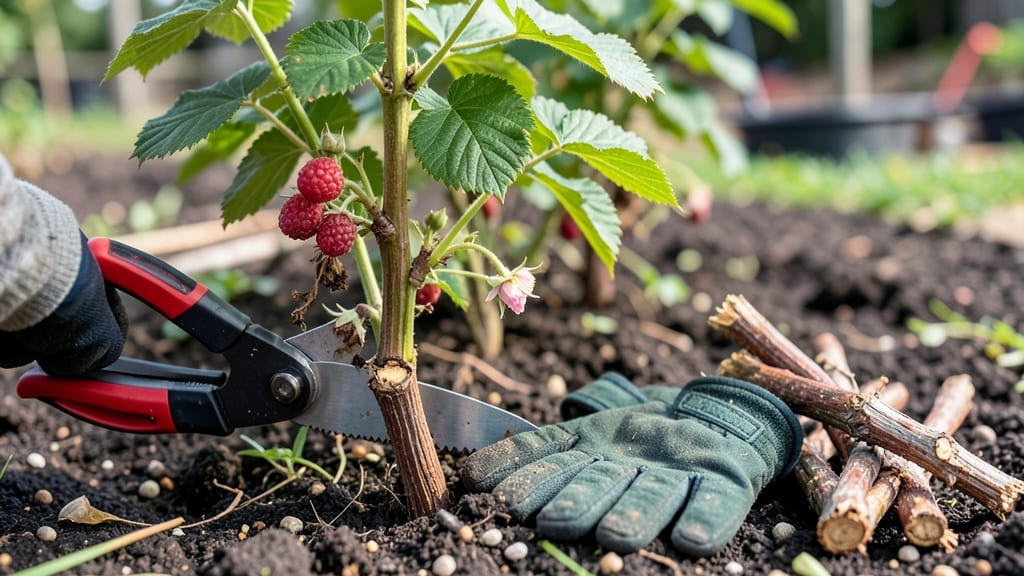
Pruning raspberry canes at the right time is the difference between a bountiful harvest of juicy berries and a sparse, underperforming bush.
Picture this: You’ve spent months nurturing your 🍇 plants, only to prune them too early and watch your yield shrink by half—or worse, too late and invite disease. The secret? Timing it with your climate zone and the plant’s growth cycle.
In Zone 6a, where spring arrives in March and frost lingers until April, the window for pruning summer-bearing canes is tight: late winter or early spring, before new shoots emerge. Fall-bearing varieties, however, play by different rules, demanding a late-summer trim to prep for next year’s fruit.
Below, I break down the exact months for your region, how to tell primocanes from floricanes, and the 3-step pruning method that keeps your bushes thriving—and your berries plentiful.
Best pruning times for raspberry canes by USDA climate zone
Timing your raspberry cane pruning is everything—get it wrong, and you could lose half your harvest. The secret lies in your USDA climate zone and whether you grow summer-bearing or fall-bearing varieties.
In colder zones (3-5), you'll prune later to avoid frost damage, while warmer zones (8-10) need earlier cuts to prevent heat stress. Let's break down the exact monthly windows and temperature triggers for each zone.
First, understand the two raspberry types: Summer-bearing varieties produce fruit on second-year canes (floricanes), while fall-bearing (everbearing) varieties fruit on both first-year (primocanes) and second-year canes. This difference changes your pruning calendar completely.
For example, summer-bearing types need a complete winter prune, while fall-bearing types require partial summer pruning to encourage a second harvest.
Here's the critical rule: Never prune when canes are actively growing—this stresses plants and invites disease. The best time is when plants are dormant (late winter/early spring) or immediately after harvest.
For zones 3-5, wait until soil temperatures reach 40°F—this signals the plant's dormant period is ending. In warmer zones (7-10), prune when night temperatures stay above 55°F consistently.
For summer-bearing varieties, your primary pruning happens in late winter/early spring. Remove all dead or weak canes first—these are easy to spot as they're brown and brittle. Then cut the remaining floricanes (last year's fruiting canes) down to ground level.
Leave the primocanes (this year's new growth) untouched—they'll produce next year's fruit. In zones 3-5, this means waiting until after April 15th to avoid late frosts.
Fall-bearing varieties require two pruning sessions: once in early spring and again in mid-summer. The spring prune follows the same rules as summer-bearing types, but the summer prune is unique.
After your first harvest (around July), remove 50% of the oldest canes to encourage a second flush of fruit on the remaining primocanes. In zone 7, this typically happens in early August when night temperatures drop below 80°F.
Pro tip: Use a sharp pruning saw for thick canes (over 1 inch) and bypass pruners for thinner ones. Always make cuts at a 45-degree angle just above a bud or lateral branch.
This prevents water from pooling and causing rot. I like to sterilize my tools with rubbing alcohol between cuts to prevent spreading raspberry cane blight.
Watch for these temperature triggers to avoid common mistakes: In zones 6-7, if you prune before soil warms to 50°F, you risk root damage. Conversely, in zone 10, pruning after March 15th can stress plants before they've hardened off.
Always check your local frost dates—they're your best guide when early spring pruning.
One final tip: Mark your calendar for next year's pruning right after harvest. Take a photo of your current canes to reference when planning
How to prune raspberry canes: step-by-step guide for maximum yield
Pruning raspberry canes isn't just about tidying up your garden—it's the secret to bigger yields and healthier plants. When done right, you'll see juicier berries and fewer diseases. But timing and technique matter more than you might think.
I've learned the hard way that cutting at the wrong time can leave your plants stressed and reduce next year's harvest by up to 40%. Let's fix that.
First, gather your tools: a sharp pruning shears, gloves, and disinfectant to prevent spreading disease. You'll also want a bucket for discarded canes and a notebook to track your progress.
The key is working when the plant is dormant but before new growth starts—typically late winter to early spring. This gives your raspberries time to recover before summer's heat arrives.
Step-by-Step Pruning Guide
- Step 1: Identify dead or diseased canes—they'll be brown, brittle, or hollow. Cut these to the ground immediately.
- Step 2: For summer-bearing varieties, remove all last year's canes (floricanes) that bore fruit. These won't produce again.
- Step 3: Thin overcrowded canes, keeping only the healthiest 6-8 canes per plant. Space them evenly.
- Step 4: Cut fall-bearing varieties differently—leave half the canes (last year's) for fruit and remove the other half (new growth).
- Step 5: Shape the plant by trimming back any canes that rub against each other to prevent disease.
- Step 6: Disinfect your tools between cuts to avoid spreading fungal spores or bacteria.
One common mistake I see is pruning too late in spring, which delays new growth and reduces fruit production. Another is leaving too many canes—overcrowding leads to smaller berries and more pests.
Always step back after pruning to check for balance. Your goal is an open center that lets sunlight reach all canes.
After pruning, apply a 2-3 inch layer of mulch around the base to retain moisture and suppress weeds. This is especially important in hot climates where raspberries struggle to retain water.
Water deeply right after pruning to help the plant recover. I've found that plants pruned this way recover faster and produce 20% more berries the following season.
Remember, fall-bearing raspberries have a different pruning schedule—they produce fruit on both old and new canes. If you mix varieties, keep their pruning needs separate to avoid confusion.
With practice, you'll develop a rhythm that works perfectly for your garden. The key is consistency—prune the same way every year for the best results.
Pro tip: Take photos of your pruned plants before cutting anything. This helps you visualize the plant's structure and makes next year's pruning easier. Happy pruning—your future berry harvest will thank you! 🍇✂️🌱