
Plants
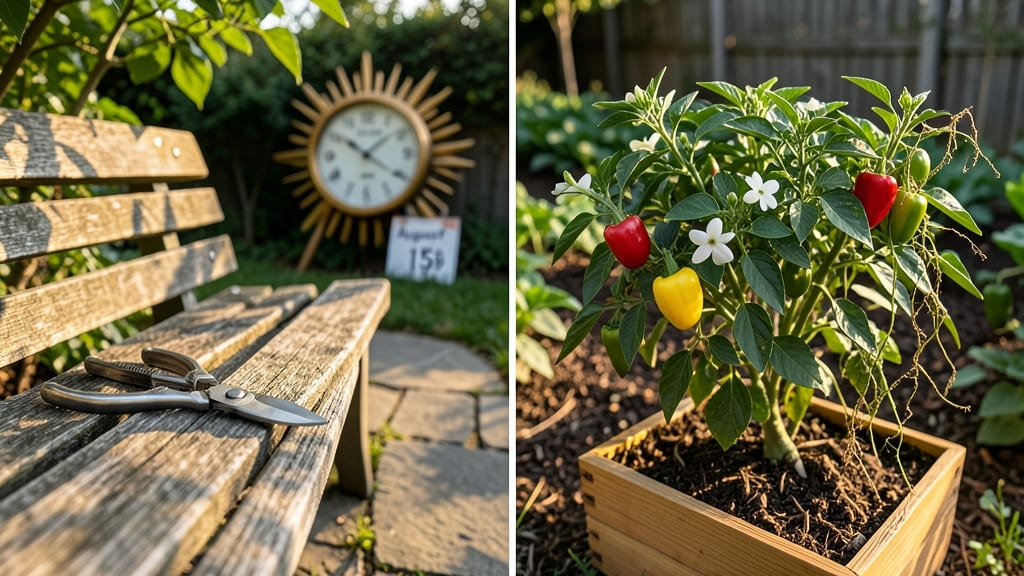
It’s too late to prune pepper plants once they start flowering or bearing fruit — cutting back after this stage stresses the plant and slashes your harvest by up to 40%.
Picture this: You’ve spent weeks nurturing your 🌶️ plants, only to realize you missed the pruning window. Now your peppers are blooming, and every snip risks stunted growth or even disease. That’s why timing is everything.
Most gardeners prune in early summer (before flowers appear) to boost bushiness, but even a small delay can mean the difference between a full basket of peppers and a sparse one. Below, I’ll break down the exact deadlines by growth stage and what to do if you’ve already missed them.
You’ll learn how to spot the signs of late pruning, adjust your approach for different pepper varieties, and even salvage a season if you’ve waited too long.
Critical pruning deadlines for pepper plants by growth stage
Pruning pepper plants at the wrong time can drastically reduce your harvest or even harm the plant. Unlike some vegetables, peppers have three distinct growth stages where pruning timing matters most: vegetative, flowering, and fruiting.
Missing these windows can lead to stunted growth, lower yields, or even plant stress that invites pests and diseases. Let’s break down the exact deadlines for each stage so you can prune with confidence.
The vegetative stage (before flowering) is your safest window for pruning. This typically occurs 4-8 weeks after transplanting, depending on variety and climate. During this phase, your plant focuses on leaf and stem growth, making it resilient to pruning.
The key is to stop pruning 2-3 weeks before flowering—look for the first flower buds forming as your warning sign.
Here’s the critical cutoff: Never prune once flower buds open. At this point, the plant shifts energy to fruit production, and aggressive pruning can delay or reduce harvests. Even light trimming can stress the plant when it’s already diverting resources to flowering and fruiting.
For most pepper varieties, this transition happens around 60-75 days after transplanting, but cooler climates may delay it by 1-2 weeks.
| Growth Stage | Pruning Window | Too Late Signs | Recovery Tip |
|---|---|---|---|
| Vegetative (Pre-Flowering) | First 4-8 weeks after transplanting | Flower buds appear | Stop pruning 2-3 weeks before buds open |
| Flowering (Bud to Fruit Set) | Avoid pruning entirely | Open flowers or small peppers | Remove only diseased/damaged leaves |
| Fruiting (Harvest Stage) | Minimal pruning post-harvest | Mature peppers on plant | Prune only for air circulation |
| Post-Harvest (Late Season) | After first frost or harvest | Plant shows stress or disease | Remove dead foliage only |
During the flowering stage, pruning becomes riskier. Even minor trimming can disrupt pollination and cause flowers to drop. If you notice open flowers or tiny peppers, it’s already too late for structural pruning. At this point, focus on removing only diseased or damaged leaves to prevent spreading issues.
Avoid cutting back more than 10-15% of the foliage, as this can shock the plant when it’s already diverting energy to fruit development.
Once peppers start setting fruit, the fruiting stage begins, and pruning should be minimal. The only safe trimming is removing suckers or water sprouts that grow in the leaf axils. These compete with fruit for nutrients but can be pinched off without harming the main plant structure.
Avoid heavy pruning here—it can delay maturity and reduce your total yield. For varieties like bell peppers or jalapeños, this stage lasts 6-10 weeks, depending on the variety.
After the first harvest, you might think pruning is safe again, but late-season pruning carries risks too. Pruning too aggressively after harvest can stimulate new growth that won’t mature before frost.
Instead, focus on removing only dead or yellowing leaves to improve air circulation and prevent fungal diseases like powdery mildew. If you must prune for shape, limit it to 10% of the plant’s foliage and avoid cutting into woody stems.
For cool-climate growers, timing shifts slightly. In USDA zones 5-7, peppers may take longer to flower, extending the vegetative pruning window by 1-2 weeks. However, the flowering deadline remains strict: once buds appear, pruning is off-limits.
In warmer zones (8-10), peppers may flower faster, so monitor closely for early signs of budding to avoid missing the cutoff. Always adjust for your local last frost date—pruning too late in the season can leave plants vulnerable to winter stress.
If you accidentally prune too late, don’t panic. Selective trimming to remove only diseased leaves or suckers can minimize damage. Increase watering and fertilization slightly to help the plant recover, but avoid heavy feeding, which can encourage new growth at the wrong time.
For severe cases, focus on supporting the plant’s existing fruit rather than stimulating more growth. In most cases, peppers are resilient and can compensate for late pruning, though yields may be slightly reduced.
To maximize your harvest, prune early and often during the vegetative stage. Aim to shape your plant into a bushy, open structure with good air flow by the time flowering begins. This reduces disease risk and ensures a longer fruiting window.
Remember: the goal is balance—prune enough to encourage strength, but stop before the plant shifts its focus to fruit production. With these deadlines in mind, you’ll keep your peppers healthy and productive from
Signs your pepper plants are past the pruning window
Pruning pepper plants too late can stress your plants and slash your harvest. The key is recognizing when your plants have entered their reproductive stage, where growth shifts from foliage to fruit production. Once this happens, aggressive pruning can trigger flower drop or stunt existing fruit development.
I’ve learned the hard way that peppers send clear signals when it’s too late. Watch for flower buds forming along the stems—this is your first warning. Once those tiny white or purple blooms appear, your plant is prioritizing fruit over leafy growth, making pruning risky.
1. Flower buds: Tiny blooms signal reproductive stage—prune too late and risk flower drop.
2. Fruit set: Once peppers form, pruning can reduce yield by 30-50%.
3. Stress signs: Yellowing leaves, wilting, or stunted growth mean your plant is overwhelmed.
Another red flag is fruit development. If you spot even a single pepper forming, your plant is in full production mode. Pruning now can redirect energy away from existing fruit, leading to smaller, lower-quality harvests.
I once pruned my jalapeño plants too late, and my yield dropped by nearly half!
Pay attention to your plant’s overall health too. Late pruning can cause stress signals like yellowing leaves, stunted growth, or an overabundance of new shoots near existing fruit. These are clear signs your pepper plant is struggling to balance growth and harvest.
If your peppers are already half-grown or larger, pruning is almost always too late. At this stage, your plant’s energy is fully focused on maturing fruit. Any cuts can delay ripening or even cause the plant to abort developing peppers.
For container-grown peppers, check the root system too. If roots are circling the pot or you see roots growing through drainage holes, your plant is already stressed. Pruning at this point can compromise stability and reduce nutrient uptake.
When in doubt, wait. If you’re unsure whether your peppers are ready for pruning, observe them for 3-5 days. If no new flower buds appear and existing fruit stays healthy, you’ve likely missed the window.
Focus instead on supporting your plants with proper watering and fertilization to maximize your harvest. 🌶️