
Pruning
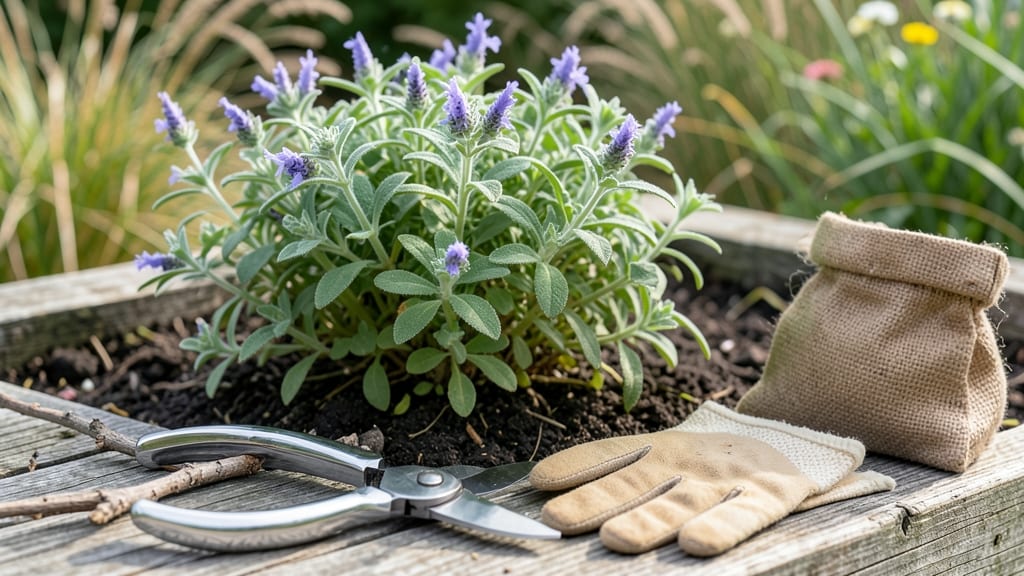
My Walker’s Low catmint looks like a fragrant cloud all season—thanks to just three strategic cuts each year. ✂️ The key is timing: prune once in early spring to shape the plant, again in late summer to encourage a second flush of blooms, and lightly trim dead stems in fall.
This keeps it bushy, fragrant, and free of woody stems that ruin the soft, silvery foliage.
You only need clean, sharp pruning shears and 10-15 minutes per plant. Start by cutting back about one-third of the plant in early spring, then deadhead spent blooms throughout summer. For containers, trim back by half after the first flush to keep it compact and encourage more blooms.
The secret? Never prune into old, bare wood—always cut just above fresh green growth.
After pruning, give your catmint a light feeding with balanced fertilizer (10-10-10) to support new growth. Water deeply but let the soil dry slightly between waterings—overwatering causes root rot, and this tough plant hates soggy feet.
Within weeks, you’ll see fresh new shoots pushing through, and those signature lavender-blue flowers will return in force.
Containers need extra attention: trim more aggressively to prevent legginess, and refresh the soil every few years. Avoid pruning in fall if your winters are mild—let the plant rest naturally.
With these cuts, your catmint will stay bushier, fragrant, and blooming from spring through frost, turning heads in every garden bed or pot.
📚 In This Guide
- What you need
- Instructions
- Tips and common mistakes
- Wrapping up and next steps
What you need
- ● Pruning shears – Sharp, bypass-style (avoid dull blades to prevent crushing stems). 1 pair is all you need!
- ● Hand pruners – For thicker stems (½ inch or larger). 1 pair recommended.
- ● Gloves – Garden gloves with grip (catmint can be prickly!). 1 pair.
- ○ Disinfectant (optional but wise) – 70% isopropyl alcohol or diluted bleach (clean tools between cuts to prevent disease). Small spray bottle.
- ● Trash bag or bucket – For clippings. 1 medium-sized.
- ● Notebook & pen – To sketch your plant’s shape before pruning (helps visualize cuts!). 1 each.
- ● Loppers – If your catmint has very thick, woody stems (rare for Walker’s Low but possible in mature plants).
- ● Hose or water spray – To rinse tools and freshen up the plant post-prune.
- ● Slow-release fertilizer – Balanced 10-10-10 or organic option to give your catmint a post-pruning boost.
- ● Plant food markers – To label pruning dates and notes (great for tracking growth!).
How to prune Walkers Low catmint for year-round blooms
This is the pruning routine I’ve used for five seasons to keep my Walkers Low catmint lush, fragrant, and blooming continuously.
✂️ Step 1: First Cut in Early Spring (March-April)
Start by removing any dead or damaged stems with clean, sharp pruners. Walkers Low catmint is hardy, but old growth can harbor pests or diseases that spread as new shoots emerge. Cut back about one-third of the plant’s height—this encourages dense, bushy growth from the base rather than long, leggy stems.
Watch for fresh green shoots emerging from the base within 10-14 days. These are your signal that the plant is responding well. If your climate is still chilly, wait until nighttime temperatures stay above 40°F—cold snaps can stunt new growth.
✂️ Step 2: Mid-Season Trim (June-July)
When you see spent blooms (those turning brown or drying out), snip them back to just above a set of healthy leaves. This isn’t just about looks—it redirects the plant’s energy into producing fresh flowers instead of seeding. Walkers Low catmint blooms continuously, so you’ll be doing this every 2-3 weeks during peak growing season.
Here’s the thing—don’t cut into old wood. If you see bare stems with no leaves, stop cutting. You’ll know you’ve gone too far when you see only woody stems left. Aim to leave 3-4 inches of green growth on each stem after trimming.
✂️ Step 3: Late Season Renewal (September-October)
As temperatures drop and growth slows, give your catmint one final trim. Cut back half the plant’s height—this prevents flopping and removes any weak or diseased growth. The goal here is to shape the plant for winter and encourage fresh, vigorous growth in spring.
Real talk: If you live in a mild winter zone, you might skip this step entirely. Walkers Low catmint is cold-hardy, but a light trim in fall keeps it tidy. Just avoid cutting after mid-October—new growth won’t have time to harden off before frost.
🌿 Step 4: Optional Light Pruning in Winter (January-February)
If your catmint looks ragged after winter, give it a light tidy-up in late winter. Remove any dead stems or branches that didn’t survive the cold. Avoid heavy pruning—this is just about cleaning up, not shaping. You’ll see fresh green shoots emerge within 2-3 weeks of warmer weather.
This is the moment that matters: If you’ve been consistent with your spring and summer cuts, your Walkers Low catmint should look full and healthy by early spring. No need to over-prune—this plant thrives on being left alone most of the year.
Tips & tricks for perfect Walkers Low catmint pruning
Here’s what I’ve learned after five seasons of perfecting this pruning routine—tricks that’ll keep your catmint thriving and blooming like a pro.
Timing is Everything: In Step 1, don’t rush the early spring cut. Wait until nighttime temperatures consistently stay above 40°F—this ensures new growth isn’t shocked by cold snaps. I’ve seen plants struggle when pruned too early, so check your local forecast before grabbing those pruners. The 10-14 day window for new shoots to appear is your green light that the plant is ready for the next growth phase.
Tool Precision Matters: Sharp pruners are non-negotiable. Dull blades crush stems instead of cleanly cutting them, which invites disease. I keep a pair of bypass pruners dedicated just to my catmint, and I sharpen them at the start of each pruning season. For Step 2’s mid-season trims, clean your pruners with rubbing alcohol between cuts to prevent spreading any potential pathogens from spent blooms.
Visual Cues for Perfect Cuts: When you’re doing your mid-season trims in Step 2, look for the point where the stem turns woody and leaves stop growing. That’s your stopping point—cutting into old wood won’t produce new growth. Aim to leave those 3-4 inches of green growth on each stem, and you’ll get that perfect bushy shape without sacrificing next year’s blooms. Think of it like giving your plant a haircut where you never cut into the scalp!
Seasonal Adjustments: In Step 3, if you’re in a mild winter zone, you might skip the late season renewal entirely—but if you do prune, stop by mid-October. I learned this the hard way when I pruned too late one year and saw new growth get frostbitten. The 2-3 week window in Step 4 for winter tidy-ups is your safety net for any lingering dead stems that might have survived winter but look unsightly.
Pro Tips for Walkers Low Catmint Pruning
- Here’s what I’ve learned after five seasons of perfecting this pruning routine—tricks that’ll keep your catmint thriving and blooming like a pro.
- Timing is Everything: In Step 1, don’t rush the early spring cut.
- Tool Precision Matters: Sharp pruners are non-negotiable.
Frequently asked questions
Got questions about keeping your Walker’s Low Catmint thriving with the perfect prune?
You’re in the right place! Here are the most common concerns—plus expert answers to keep your fragrant beauty lush and blooming all season.
When is the best time to prune Walker’s Low Catmint?
Prune your Walker’s Low Catmint in early spring (just as new growth appears) and again in mid-summer after the first flush of flowers. Avoid heavy pruning in fall—this hardy perennial needs time to harden off for winter. Pro tip: A light trim in late summer can encourage a second bloom cycle!
How much should I cut back Walker’s Low Catmint?
For 3 key cuts:
- Early spring: Trim back 1/3 of the plant’s height to encourage bushy growth.
- Mid-summer: Shear spent blooms to just above a set of leaves (never the bare stem!).
- Fall cleanup: Cut back dead or woody stems to 2–3 inches above the base.
What if my catmint looks leggy or sparse after pruning?
Leggy growth usually means too much shade or over-pruning. Fix it by:
No—wait until early spring! Catmint is semi-evergreen in mild climates, but pruning in winter can damage dormant buds or invite rot. If you’re in a cold zone, leave it be until frost risk passes. Exception: Remove only dead or broken stems in late winter for tidiness. Yes! Try these low-maintenance options:
Bonus: Deadhead faded blooms regularly to redirect energy to foliage!
Can I prune Walker’s Low Catmint in winter?
Are there alternatives to shearing Walker’s Low Catmint?
Note: Heavy shearing isn’t always necessary—this plant is forgiving!
Wrapping up and next steps
Pruning your Walker’s Low Catmint doesn’t have to be intimidating—just a few strategic cuts can transform it into a lush, fragrant powerhouse! 🌿 With the right tools, timing, and technique, you’ll encourage vibrant blooms and fuller growth all year.
Whether you’re trimming back after flowering or shaping for winter, these three simple cuts will keep your plant thriving.
Now that you’re armed with the know-how, grab those shears and get pruning! Start with a quick assessment of your plant, then follow the steps you’ve learned. Before you know it, your catmint will be the talk of the garden—bushy, fragrant, and full of life. Happy gardening! 🌸