
Pruning
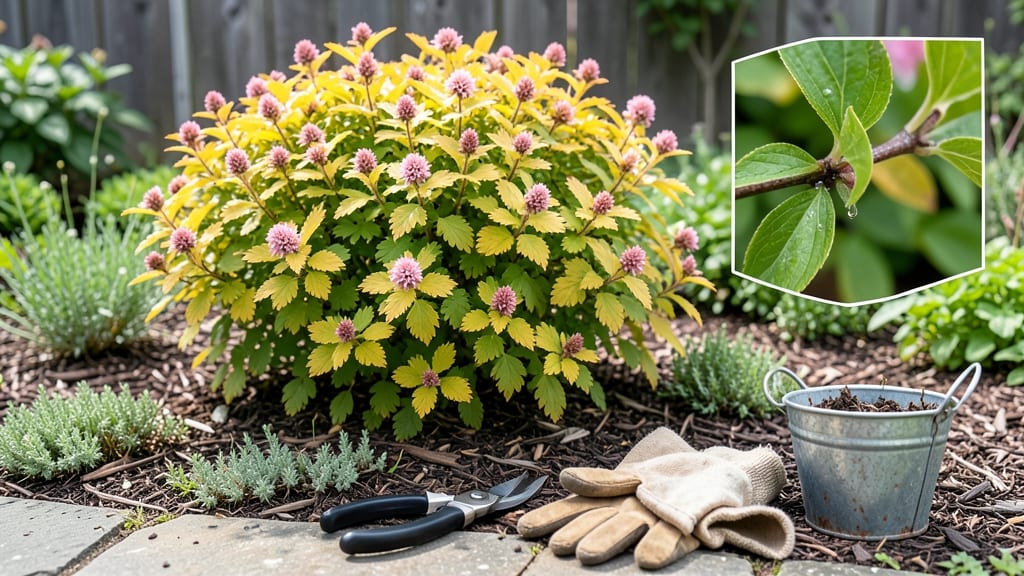
That first thorn-free, airy canopy of spirea shrub pruning feels like a reward after years of tangled branches. 🌿 The secret isn’t complicated—just three precision cuts that transform dense, leggy shrubs into showstopping focal points.
I’ve pruned my Spiraea japonica the wrong way too many times to count, but now I know exactly when and how to shape it for maximum blooms and health.
Timing matters most: prune late winter or early spring before new growth starts, or right after flowering if you’re dealing with summer-blooming varieties like Spiraea arguta. You’ll need clean, sharp pruners, gloves (those thorns don’t play nice), and a clear vision—literally.
Step back often to check your shape. The goal? A balanced, open structure that lets sunlight and air circulate.
By the end of the season, you’ll have a shrub that blooms earlier and more abundantly, with stems that don’t snap under winter weight. The key is cutting at the right angle—just above an outward-facing bud—and avoiding the urge to over-prune.
Even my most stubborn spirea now puts on a display that makes neighbors ask, “What’s your secret?”
This method works for all spirea varieties, from the classic Spiraea japonica to the tougher Spiraea betulifolia. The only rule? Never prune in fall—it invites disease and weakens next year’s blooms. Ready to reclaim that tangled mess?
📚 In This Guide
- What you need
- Instructions
- Tips and common mistakes
- Wrapping up and next steps
What you need
- ○ Pruning shears: Bypass pruners (for clean cuts on small stems, 2–3 inches long, sharp blades). Optional: Anvil pruners (for thicker branches, but avoid crushing stems).
- ● Loppers: 16–20-inch bypass loppers (for branches up to 1.5 inches thick).
- ● Pruning saw: Curved-tooth pruning saw (for stubborn, thick branches over 1.5 inches).
- ● Gloves: Heavy-duty gardening gloves (to protect hands from thorns and sharp edges).
- ● Disinfectant: 70% isopropyl alcohol or bleach solution (1 part bleach to 9 parts water) (to sterilize tools between cuts and prevent disease spread).
- ● Trash bags or bucket: Large-capacity (for collecting pruned branches and debris).
- ○ Pruning sealant (optional): Wound dressing (only for large cuts over ½ inch; skip for small cuts to avoid trapping moisture).
- ● Weather check: Prune on a dry, overcast day or in the early morning to reduce stress on the plant and minimize sap bleeding.
- ● Safety gear: Safety glasses (if working near the face or eyes).
- ○ Ladder or stool (optional): For taller spirea varieties (e.g., Spirea japonica ‘Goldflame’), use a stable, 3-section ladder or a foldable garden stool.
- ● Sharpener: Pruner sharpening stone or file (to keep blades razor-sharp before and during pruning).
How to prune spirea shrubs for a dense, thorn-free canopy
Here's the method I've used for years to transform tangled spirea into lush, flowering shrubs—no thorns, no bare spots.
✂️ Step 1: Time Your Pruning for Maximum Regrowth
Spirea blooms on new growth, so prune immediately after flowering—typically late spring to early summer. If you prune too early, you risk cutting off next year's flowers. I wait until 3-4 weeks after the last bloom to ensure all flower buds have formed for the following season.
Check your local climate: in warmer zones, you might need to prune slightly later. The key is to finish pruning at least 6 weeks before your first frost so the shrub can recover and harden off properly. You'll know you've timed it right when you see fresh, green growth starting at the tips of the branches.
✂️ Step 2: Remove Dead, Diseased, or Crossing Branches First
Start by cutting out any dead, damaged, or diseased wood—these branches won’t regrow and can spread problems. Use clean, sharp pruners to make 45-degree cuts just above a healthy bud or lateral branch. I always disinfect my tools with rubbing alcohol between cuts to prevent spreading disease.
Next, remove any branches that cross or rub against each other—this creates wounds and weakens the shrub. Look for branches growing inward or rubbing against the trunk; these should go first. You’ll notice the shrub’s natural shape start to emerge as you clear out the clutter. Aim to remove no more than 25% of the plant’s total volume in this step to avoid stressing it.
✂️ Step 3: Thin Out Overcrowded Branches for Airflow
Step back and assess the shrub’s structure. Focus on the older, thicker branches—these are the ones that need thinning. Select branches that are 1/3 the size of the main stem and cut them back to the base. This opens up the center and lets light and air circulate, preventing fungal issues.
For the remaining branches, cut back 1/3 to 1/2 of their length to encourage bushier growth. Make your cuts just above a bud or lateral branch, angled slightly away from the bud. You’ll see the shrub’s natural shape become more defined, with a balanced distribution of foliage. Avoid cutting into the pith (the white center of the stem)—this can kill the branch.
⏰ Step 4: Shape and Maintain for Long-Term Health
After thinning, use your pruners to lightly shape the shrub—rounding the edges and filling in gaps. Avoid heavy pruning on the outer branches; instead, focus on softening the silhouette by trimming just the tips. This encourages a fuller, denser look without sacrificing next year’s blooms.
Finish by removing any suckers or water sprouts—these are the fast-growing, weak shoots that pop up at the base or along the branches. Cut these out completely to redirect the shrub’s energy into stronger growth. Water deeply after pruning to help the plant recover, and apply a balanced fertilizer to support new growth.
Tips & tricks for perfect spirea shrub pruning
Transforming tangled spirea into a thriving, thorn-free canopy takes precision—and these pro tips will help you avoid common mistakes while maximizing regrowth.
Timing is Everything: The 3-4 week window after flowering is critical because spirea blooms on new growth. If you prune too early, you risk cutting off next year's flowers entirely. Here's my trick: mark your calendar when you see the first blooms and set a reminder for exactly 28 days later. This ensures you're cutting at the perfect moment when flower buds have already formed but new growth hasn't yet started. In warmer climates, I extend this to 4-5 weeks after flowering to account for delayed bud development.
Tool Technique: Never skip disinfecting your pruners between cuts—especially when removing diseased wood. I keep a small bottle of rubbing alcohol in my gardening tool belt and wipe down blades after every 3-4 cuts. For the 45-degree cuts mentioned in Step 2, visualize slicing the branch like a wedge of cheese: the cut should be angled away from the bud you're targeting. This prevents water from pooling on the cut surface, which can lead to rot.
Structural Strategy: When thinning branches in Step 3, focus on creating an "open vase" shape rather than a dense ball. This means removing branches that grow straight up or outward, while keeping those that grow at a slight angle. The goal is to let light penetrate the center while maintaining the shrub's natural silhouette. For branches that are 1/3 the size of the main stem, I recommend cutting all the way back to the base—this encourages stronger regrowth from the center rather than just the tips.
Pro Tips for Spirea Shrub Pruning
- Transforming tangled spirea into a thriving, thorn-free canopy takes precision—and these pro tips will help you avoid common mistakes while maximizing regrowth.
- Timing is Everything: The 3-4 week window after flowering is critical because spirea blooms on new growth.
- Tool Technique: Never skip disinfecting your pruners between cuts—especially when removing diseased wood.
Frequently asked questions
Got questions about spirea shrub pruning? You’re not alone! Here are answers to the most common concerns—so you can confidently shape your shrubs like a pro.
When is the best time to prune spirea shrubs?
The ideal time depends on your spirea type. For spring-blooming varieties (like Spiraea japonica), prune right after flowering (late spring to early summer) to avoid cutting off next year’s blooms. For summer-blooming types (like Spiraea arguta), prune in early spring before new growth starts. Always avoid heavy pruning in late summer or fall—it can stimulate tender growth that won’t survive winter!
How much can I prune spirea without harming it?
Spirea is forgiving, but moderation is key! For maintenance pruning, remove up to one-third of the oldest stems each year to encourage fresh growth. If your shrub is overgrown or leggy, you can prune back by half in one season—but do it gradually over 2–3 years to avoid shock. Never prune more than 50% of the plant in a single season unless it’s severely neglected.
Why does my spirea look sad after pruning?
Don’t panic! If your spirea looks woody, bare, or stressed post-pruning, it might be reacting to over-pruning or poor timing. Give it time—new growth should emerge within 4–6 weeks. To help, water deeply, avoid fertilizing until new shoots appear, and protect it from harsh sun. If the stems are completely bare, consider a hard rejuvenation prune in early spring to stimulate fresh growth.
Can I prune spirea to encourage more flowers?
To boost blooms, focus on removing dead or crossing branches and cutting back old wood (usually the thickest stems at the base). For spring-bloomers, prune immediately after flowers fade—this redirects energy to next year’s buds. For summer-bloomers, a light spring prune (before buds swell) keeps the shape open and airy, which encourages more flowers.
What if I miss the pruning window?
No worries—spirea is resilient! If you miss the ideal pruning time, you can still prune in early fall (but avoid heavy cuts). For spring-bloomers, a light shape-up in fall is better than nothing. Just avoid pruning in late fall or winter, as it can invite disease or damage tender growth. Next year, reset your schedule and stick to the post-bloom rule for spring types!
Wrapping up and next steps
Mastering spirea shrub pruning transforms your garden into a thriving, thorn-free oasis with just three precision cuts! 🌿 Whether you’re shaping a spirea bush for blooms or maintaining its health, the key lies in timing, technique, and confidence.
Start small—grab your pruners, follow the steps, and watch your shrub reward you with vibrant growth year after year.
Ready to level up your landscaping game? Grab your tools and schedule your next pruning session—your spirea is waiting for its glow-up! 🌟