
Pruning
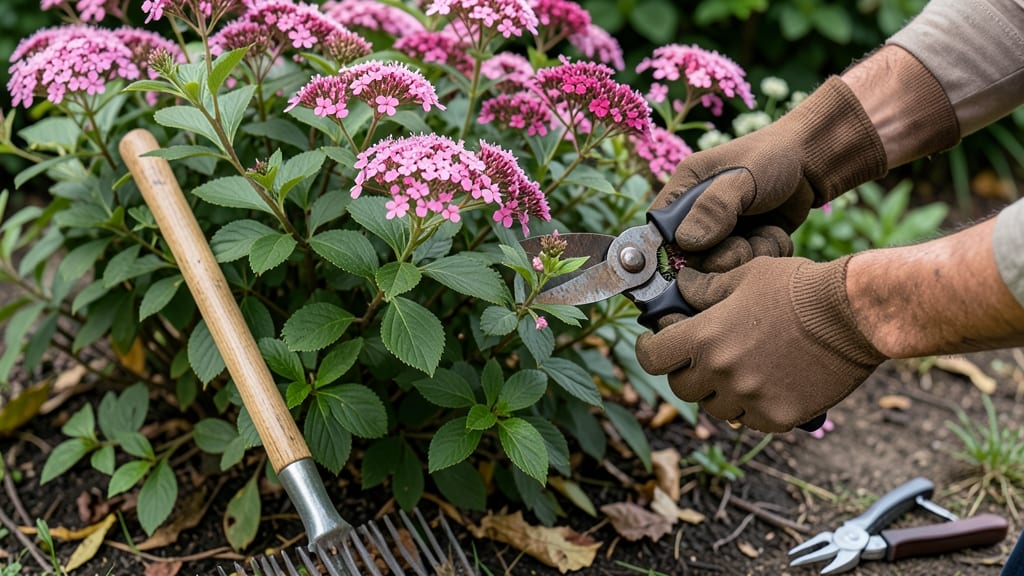
Pruning spirea care involves trimming back dead or overgrown branches in early spring before new shoots emerge, while summer-blooming varieties need hard pruning right after flowering to promote fuller growth. Never prune heavily in fall, as this can stress the plant before winter.
Timing is everything with spirea pruning—spring is your golden window for most varieties, as it encourages vigorous growth before summer's heat. 🌿 The key is to remove any dead or crossing branches first, then shape the plant by cutting back about one-third of the oldest stems.
For flowering types, wait until after blooms fade to avoid sacrificing next year's flowers. I've found that using sharp bypass pruners and sterilizing tools between cuts prevents disease spread, which is especially important in humid climates.
What many gardeners overlook is the difference between spring-blooming and summer-blooming spireas. Spring varieties (like Spiraea japonica) bloom on old wood, so pruning too early removes next year's flowers. Summer-bloomers (like Spiraea prunifolia) thrive when pruned after flowering, as they produce new blooms on current season's growth.
Always check your specific variety's blooming time before reaching for the shears.
💡 In This Article
- Best Pruning Times for Spirea Varieties
- Step-by-Step Guide to Pruning Spirea for Optimal Growth
Best pruning times for spirea varieties
Understanding your spirea's blooming habit is the first step to successful pruning. Spring-blooming varieties like Spiraea japonica (often called Japanese spirea) produce flowers on old wood—last year's stems—which means pruning too early (before blooms appear) removes next year's flowers.
These types should be pruned immediately after flowering, typically in late spring to early summer, when blooms have faded but before new growth hardens.
Summer-blooming spireas, such as Spiraea prunifolia, are far more forgiving—they bloom on new wood, so you can prune in early spring or even lightly shape them throughout the growing season.
The timing also depends on your climate zone. In colder regions (USDA zones 3-5), wait until after the last frost date—usually mid-to-late May—to avoid damaging tender new shoots.
In warmer zones (6-9), you can prune as early as February to March, but avoid pruning in fall, as this can leave wounds vulnerable to fungal diseases like powdery mildew or root rot.
The plant's natural defenses are weakest in late summer and fall, making it the worst time for major cuts. 🌸
What happens if you prune at the wrong time? Spring-bloomers pruned too early will look bare and may not flower at all the following year. Summer-bloomers pruned in fall can develop weak, leggy growth because the plant doesn't have time to recover before winter.
I've seen gardeners accidentally turn a lush, flowering spirea into a sad, sparse shrub by pruning in the wrong season—always double-check your variety's blooming time before making cuts.
For example, Spiraea arguta (a spring bloomer) needs to keep its old stems, while Spiraea thunbergii (a summer bloomer) thrives with aggressive spring pruning.
Another critical factor is the plant's age. Younger spireas (3-5 years old) benefit from light pruning to encourage bushier growth, while mature plants can handle hard pruning (cutting back by one-third to one-half) to rejuvenate their shape.
For instance, a 10-year-old Spiraea japonica might need a 50% reduction in height to stimulate new growth, whereas a 2-year-old should only have dead or crossing branches removed. 🌿
Seasonal risks also play a role. Pruning in wet or humid conditions increases the chance of fungal infections, while pruning in drought conditions can stress the plant. The ideal time is a dry, mild day with temperatures between 50-75°F.
I've noticed that pruning in morning hours gives the plant time to recover before evening moisture sets in, reducing disease risk. Always sterilize your tools with rubbing alcohol or a 10% bleach solution before and after pruning to prevent spreading pathogens.
For gardeners in coastal or high-humidity areas, pruning in early spring (before fungal spores become active) is especially important. In contrast, arid climates allow for more flexibility in timing, as disease pressure is lower.
The key is to align your pruning with the plant's natural growth cycle—always prioritize the health of the plant over aesthetic shaping. A well-timed cut can transform a ragged spirea into a dense, vibrant shrub within a single growing season.