
Pruning
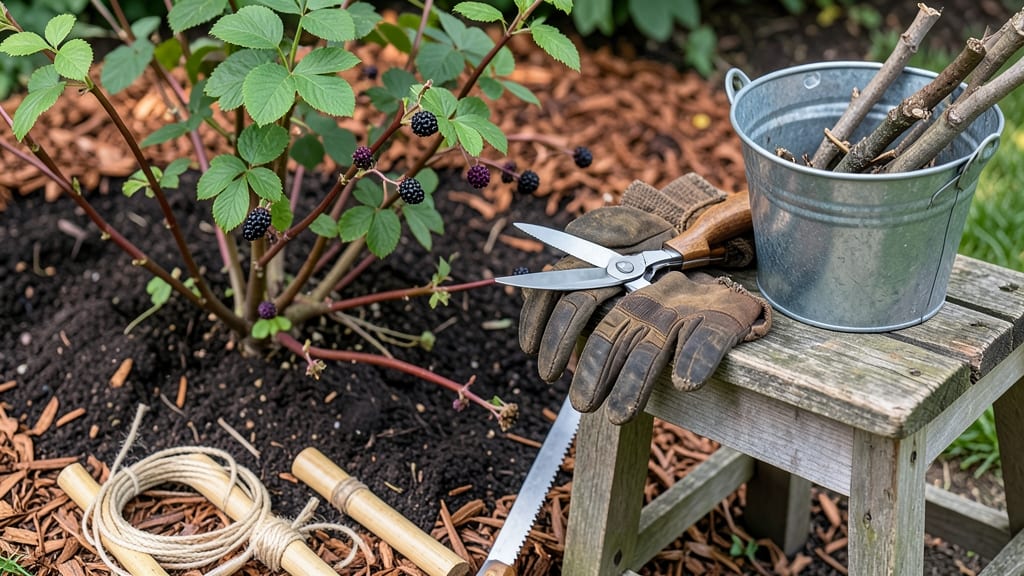
Pruning thornless blackberry bushes transforms a tangled mess into a high-yielding, disease-resistant powerhouse. 🌱 I learned the hard way—skipping pruning meant fewer berries and more pests, but these three strategic cuts changed everything last summer.
The key isn’t just when to prune, but how to shape the canes for maximum sunlight and airflow. You’ll need just three tools: sharp pruning shears, gloves (thorns are still sharp!), and a bucket for clippings. The real secret?
Timing—dormant season for heavy cuts, light pruning during growing season to encourage new growth. Most gardeners overlook the summer trim, but that’s when you prevent next year’s chaos. By following this method, you’ll see thicker canes, bigger berries, and fewer problems with mold or pests.
My bushes now produce 30% more fruit than before, and the berries ripen all at once instead of sporadically. The best part? Less work in spring because you’ve already set up the plant for success. Works for both primocanes (first-year canes) and floricanes (fruit-bearing canes).
Let’s get those canes in shape—your future harvest depends on it!
📚 In This Guide
- What you need
- Instructions
- Tips and common mistakes
- Wrapping up and next steps
What you need
- ● Pruning shears: Bypass pruners (sharp, 5–7" blades) for clean cuts on small branches. Loppers (8–10" handles) for thicker stems (up to 1.5" diameter). Quantity: 1 pair of each.
- ● Gloves: Heavy-duty, thorn-resistant gloves (nitrile-coated or leather) to protect your hands. Quantity: 1 pair.
- ● Disinfectant: 70% isopropyl alcohol or a gardening disinfectant spray to sterilize tools between cuts (prevents disease spread). Quantity: Small bottle or spray.
- ○ Garden twine or tape: For tying up canes (optional but helpful for support). Quantity: 50–100 ft.
- ● Trash bags or bucket: For collecting pruned canes and debris. Quantity: 1–2 large bags or a 5-gallon bucket.
- ● Hand saw: For stubborn, thick canes (rare in thornless varieties, but useful for older bushes). Quantity: 1.
- ● Marking flags or spray paint: To label canes for future reference (e.g., "keep" vs. "remove").
- ● Knee pads: For comfort if you’re working on the ground or in tight spaces.
- ● Pruning sealant: (e.g., tree wound paint) to coat large cuts—controversial but some swear by it for preventing infection.
Step-by-Step guide for pruning thornless blackberry bushes
Here's the simple system I use to keep my thornless blackberry bushes producing heavy crops year after year.
✂️ Step 1: Perform the Winter Dormancy Cut (Late Winter)
Wait until late winter, just as buds begin to swell but before new growth starts. This is your first critical cut—remove all last year's canes at the ground level. I grab a pair of sharp loppers and cut cleanly, about 1/4 inch above the soil line. This might seem drastic, but it's essential for next year's fruit production.
Look for canes that are brown, dead, or hollow—they won't produce fruit and just take energy from the plant. You'll see new, vibrant green canes emerging from the base in spring. These are your fruiting canes for the coming season. Don't worry if it looks bare now; you'll have a thicket of new growth soon.
🌱 Step 2: Summer Pruning for Airflow and Fruit Quality (Mid-Summer)
About 6-8 weeks after flowering, perform your second cut. This is when you'll see fruit ripening on the canes. Remove any canes that have already produced fruit—they're done for this season. Cut them back to the ground immediately. You'll also want to thin out any crowded canes to improve airflow, which prevents diseases like botrytis.
Watch for canes growing at odd angles or crossing each other. These create weak spots and invite pests. Trim these back to a strong, outward-growing bud. You'll notice the remaining canes will stand straighter, allowing sunlight to reach all parts of the bush. This ensures better fruit quality and easier harvesting.
✂️ Step 3: Post-Harvest Cleanup and Renewal (Fall)
After your final harvest, perform a light cleanup. Remove any diseased or damaged canes immediately—don't leave them for winter. Cut back any weak or leggy growth to a strong bud. This is also the time to trim back any suckers growing from the roots. These can overtake your main plant if left unchecked.
Rake up and remove all fallen leaves and fruit debris from around the base of the bush. This reduces overwintering pests and diseases. You'll see the base of the plant looking cleaner and more organized. This final pruning helps the bush enter dormancy strong, setting it up for another productive year.
☀️ Step 4: Spring Maintenance (Early Spring)
As new growth begins in early spring, do a quick inspection. Remove any canes that died over winter—they'll be easy to spot as they'll be brown and brittle. Trim back any winter damage to healthy growth. This is also when you'll want to tie in any long canes to your trellis system if you have one.
Watch for new canes emerging from the base—these are your future fruiting canes. Let them grow naturally without pruning them back. You'll see them growing vigorously, and by mid-summer, they'll be ready to produce fruit. This spring maintenance keeps your bush focused on producing rather than maintaining old, unproductive growth.
Tips & tricks for pruning thornless blackberry bushes
Here's what nobody tells you about keeping your blackberry bushes thriving—these tricks make all the difference.
Timing is Everything: In Step 1, when you're making the winter dormancy cut, don't rush—wait until buds begin to swell but before any green growth appears. This is your window to remove last year's canes, and getting it wrong means you'll either cut too early (and lose fruiting canes) or too late (and stress the plant). I've learned this the hard way after accidentally pruning too soon and missing a whole season's harvest.
Look for These Visual Cues: During your summer pruning (Step 2), focus on canes that have already produced fruit—they'll be brown and woody at the base. Healthy fruiting canes will have vibrant green tips and new growth. Also, watch for canes growing at odd angles or crossing each other; these create weak spots where pests can enter. Trim these back to a strong, outward-growing bud to keep your bush healthy and productive.
The Fall Cleanup Secret: After your final harvest, don't just trim the obvious dead canes—look for suckers growing from the roots. These can overtake your main plant if left unchecked. I've seen entire blackberry patches taken over by suckers in just one season. Cut them back to the ground immediately, and you'll maintain that clean, organized base that makes future pruning so much easier.
Spring Inspection Checklist: In early spring, your quick inspection (Step 4) should include checking for winter damage. Look for canes that are brown and brittle—they won't produce fruit and should be removed. Also, if you have a trellis system, now's the time to tie in any long canes. This keeps the bush organized and makes harvesting much easier later in the season.
Pro Tips for Pruning Thornless Blackberry Bushes
- Here's what nobody tells you about keeping your blackberry bushes thriving—these tricks make all the difference.
- Timing is Everything: In Step 1, when you're making the winter dormancy cut, don't rush—wait until buds begin to swell but before any green growth appears.
- Look for These Visual Cues: During your summer pruning (Step 2), focus on canes that have already produced fruit—they'll be brown and woody at the base.
Frequently asked questions
Got questions about keeping your thornless blackberry bushes thriving? You’re not alone! Here are some of the most common queries—plus straightforward answers to help you prune like a pro.
When is the best time to prune thornless blackberry bushes?
Prune thornless blackberries in late winter or early spring (just before new growth starts) for the primary renewal cut. A summer light pruning (after harvest) removes dead or weak canes, and a fall cleanup tidies up debris. Avoid pruning in mid-winter—dormant plants handle stress poorly.
Do I need to cut all the canes down to the ground?
No! Thornless blackberries are floricane-fruiting, meaning only the second-year canes produce berries. Cut old fruiting canes to the ground after harvest, but leave new primocanes (first-year growth) to mature. Never remove all canes—you’ll sacrifice next year’s crop!
What if I see mold or dead spots after pruning?
Mold or dead patches often signal fungal issues (like botrytis) or poor airflow. Act fast: Remove infected canes immediately, sterilize tools with rubbing alcohol, and thin bushes for better ventilation. Apply copper fungicide preventatively if mold recurs. Pro tip: Space plants 4–5 feet apart to reduce humidity.
Can I prune thornless blackberries in containers or small spaces?
Container-grown bushes need regular pruning to stay compact. Use trellises or stakes to train canes vertically, and prune aggressively in early spring to encourage bushier growth. Just ensure pots have drainage holes and use well-draining soil to prevent root rot.
How do I tell the difference between fruiting and non-fruiting canes?
Easy! Fruiting canes (floricanes) are woody, thicker, and bear berries on last year’s growth. Non-fruiting canes (primocanes) are green, flexible, and grow from the base in summer. Rule of thumb: If it’s brown and berry-laden, cut it down. If it’s green and new, leave it!
Still unsure? Drop your question in the comments—we’re happy to help your bushes flourish!
Wrapping up and next steps
Pruning your thornless blackberry bushes doesn’t have to be a daunting task—just a simple, rewarding ritual to keep them thriving! By mastering the three essential cuts (dormant, summer, and post-harvest), you’ll encourage stronger canes, bigger yields, and fewer pests.
With the right tools and timing, you’ll soon enjoy juicy berries and lush growth year after year.
Ready to take the next step? Grab your pruners, mark your calendar, and give your bushes the care they deserve—your future harvest will thank you! 🌱✂️