
Pruning
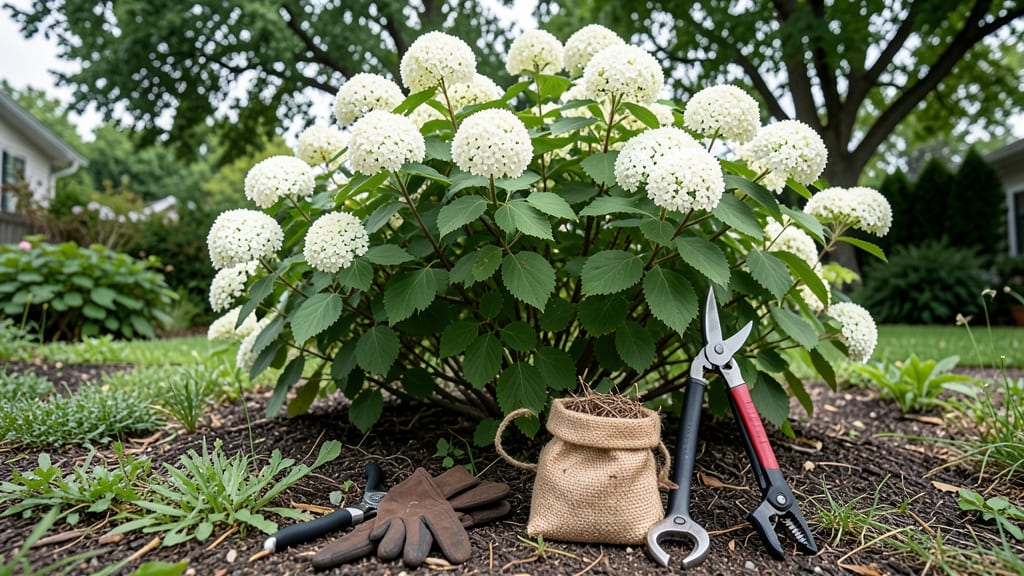
Pruning snowball viburnum transforms your shrub from a tangled mess into a showstopping cloud of white blooms every spring. ✂️ I’ve pruned these shrubs for over a decade, and the right cuts—done at the right time—mean three weeks of longer-lasting flowers and canes that stay strong for years.
The secret isn’t aggressive trimming; it’s strategic shaping that encourages new growth where you want it.
Timing matters most: prune right after flowering (late May to early June) to avoid cutting off next year’s buds, which form on old wood. You’ll need clean, sharp pruners and a ladder for taller shrubs—snowball viburnums can reach 10 feet if left unchecked.
The goal is to remove dead, crossing, or weak branches first, then thin out the center to improve airflow. This keeps the plant disease-resistant and ensures those iconic snowball clusters stay bold and abundant.
After pruning, your shrub will reward you with thicker foliage and more blooms next season. The key is patience: avoid heavy cuts in one year, and never prune in fall or winter, when the plant is dormant.
With this method, even neglected viburnums bounce back beautifully. The payoff? A shrub that looks effortlessly lush with minimal work—once you know the right moves.
Works for both mature shrubs needing rejuvenation and young plants establishing their shape. The same principles apply whether you’re pruning a small patio specimen or a large landscape focal point. Let’s get those canes in shape for next year’s show.
📚 In This Guide
- What you need
- Instructions
- Tips and common mistakes
- Wrapping up and next steps
What you need
- ● Pruning shears: Bypass pruners (sharp, clean, and with a 4- to 6-inch blade for precision). Avoid anvil pruners—they crush stems!
- ● Loppers: For thicker canes (½-inch+ diameter). Look for long handles (24+ inches) and a bypass blade.
- ○ Hand pruners: Optional but handy for small branches (¼-inch diameter).
- ● Garden gloves: Heavy-duty, cut-resistant (nitrile or leather). Size: Medium or large for grip.
- ● Disinfectant: 70% isopropyl alcohol or rubbing alcohol (in a spray bottle) to sterilize tools between cuts.
- ● Rag or paper towels: For wiping tools and hands.
- ○ Marking twine or flags: Optional but useful to tag canes for removal (e.g., bright-colored twine).
- ● Timing: Prune after flowering (late spring to early summer) or in late winter/early spring (before buds swell).
- ● Weather: Choose a dry, overcast day (or morning) to avoid stressing the plant.
- ● Safety gear: Safety glasses if working near power lines or thorny canes.
- ● Cleanup supplies: Garden bag or bucket for debris (and a trash bag for disposal).
Step-by-Step guide to pruning snowball viburnum for maximum blooms
This is the method I’ve used for years to keep my snowball viburnum bushes thriving—bigger blooms, stronger growth, and fewer problems.
✂️ Step 1: Remove Dead, Diseased, or Weak Wood First
Start by inspecting the bush from all sides. Look for dead branches—they’ll be dry, brittle, and snap easily when bent. Diseased wood often appears shriveled with dark spots or fungal growth. Weak wood is thin, pale, and lacks the sturdy structure of healthy canes.
Use clean, sharp pruning shears to make your cuts. I always disinfect my tools with rubbing alcohol between cuts to prevent spreading disease. Cut just outside the branch collar—the swollen area where the branch meets the trunk—to ensure proper healing. Never leave stubs; this invites rot.
Real talk: If you’re unsure whether a branch is dead or just dormant, scratch the bark with your fingernail. If it’s green underneath, it’s alive. If it’s brown or crumbly, it’s gone.
✂️ Step 2: Thin Out Overcrowded Canes for Better Airflow
Snowball viburnum blooms on last year’s wood, so never cut back old canes to the ground. Instead, focus on thinning out 10-20% of the oldest, thickest stems to improve airflow and sunlight penetration. This prevents fungal diseases like powdery mildew and encourages stronger new growth.
Make your cuts at the branch collar, angled slightly away from the trunk. Aim to space remaining canes about 6-12 inches apart, depending on the bush’s maturity. You’ll see a noticeable difference in bloom density after just one season of proper thinning.
Here’s the thing—if your bush has more than 15-20 canes, it’s likely overcrowded. I’ve seen bushes with 40+ stems produce sparse, weak blooms because they’re competing for resources.
✂️ Step 3: Shape for Balance and Encourage Future Blooms
Now it’s time to shape the bush. Step back and visualize the ideal rounded form—snowball viburnum naturally grows in a mounded shape. Cut back any overly long or leggy branches to maintain that natural silhouette, but never reduce a branch by more than ⅓ of its length in one season.
Focus on opening up the center of the bush to let light reach all the way in. This is where future blooms will form. If you see branches growing inward, cut them back to an outward-facing bud. You’ll know you’ve done it right when you can see light and air moving through the center.
This is the moment that matters: After pruning, the bush should look full but not cramped. New growth will emerge from the outer edges, creating a denser, more vibrant plant next season.
Tips & tricks for pruning snowball viburnum
These essential insights will help you avoid common mistakes and transform your pruning into a game-changer for your snowball viburnum's health and blooms.
Tool Preparation: Before you begin, sharpen your pruning shears and disinfect them with rubbing alcohol between cuts—this prevents disease spread and ensures clean cuts. I've learned the hard way that dull tools crush stems instead of cutting cleanly, which can damage the plant and invite infections. For larger branches, use loppers with bypass blades to make precise cuts without tearing the bark.
Visual Inspection Technique: In Step 1, when identifying dead wood, focus on the bark's texture and color rather than just appearance. Healthy bark should be smooth and slightly greenish when scratched, while dead wood will reveal brown or crumbly layers. For weak branches, look for those thinner than a pencil—they won't support heavy blooms and should be removed to redirect the plant's energy to stronger growth.
Thinning Strategy: The 10-20% thinning ratio in Step 2 isn't arbitrary—it's based on the plant's ability to regenerate. When removing those oldest, thickest stems, prioritize branches growing inward or crossing others. These compete for sunlight and nutrients, reducing overall bloom quality. Remember, you're not just pruning for aesthetics; you're creating an environment where the remaining branches can thrive.
Seasonal Timing: While the instructions focus on the technique, timing matters too. Prune after the spring blooms have faded but before new growth begins in late spring. This gives the plant time to recover before summer heat stress. In colder climates, wait until late winter when the plant is still dormant but before buds swell—this prevents winter dieback from fresh cuts.
Pro Tips for Pruning Snowball Viburnum
- These essential insights will help you avoid common mistakes and transform your pruning into a game-changer for your snowball viburnum's health and blooms.
- Tool Preparation: Before you begin, sharpen your pruning shears and disinfect them with rubbing alcohol between cuts—this prevents disease spread and ensures clean cuts.
- Visual Inspection Technique: In Step 1, when identifying dead wood, focus on the bark's texture and color rather than just appearance.
Frequently asked questions
Got questions about pruning your Viburnum opulus (snowball viburnum)? You're not alone! Here are some of the most common concerns—plus expert-backed answers to keep your shrub thriving.
When is the best time to prune snowball viburnum?
The ideal window is late winter or early spring (just before new growth starts). Avoid pruning in fall—it can stimulate tender new growth that won’t survive winter. For light shaping, you can also prune after flowering, but avoid heavy cuts then.
How do I know if I’m pruning too much?
Over-pruning weakens snowball viburnum. Never remove more than 1/3 of the plant in one season. Look for thick, woody canes—these are your plant’s backbone. If you’re left with mostly small, spindly stems, you’ve gone too far. Aim to open the center while preserving structure.
What if my snowball viburnum isn’t blooming?
Poor blooms often mean old or overcrowded canes. Prune out dead, diseased, or crossing branches first. Then, select 3–5 of the thickest, healthiest canes and shorten them by 1/3 to encourage new flower buds. Fertilize lightly in early spring if soil is poor.
Can I prune snowball viburnum in summer?
Yes, but only for light shaping or deadheading (removing spent blooms). Avoid heavy pruning in summer—it stresses the plant and can reduce next year’s flowers. If you must prune, do it after flowering (late June/July) and keep cuts minimal.
What’s the difference between pruning snowball viburnum and other viburnums?
Snowball viburnum (Viburnum opulus) blooms on old wood, so you never prune flower stems back to the ground. Other viburnums (like Viburnum bodnantense) may bloom on new wood—check your variety first! Always prune snowball viburnum after blooms fade for next year’s show.
Wrapping up and next steps
Pruning your snowball viburnum doesn’t have to be intimidating—it’s all about timing, technique, and a little patience! 🌸 By following these three simple steps, you’ll encourage longer blooms, healthier canes, and a lush, vibrant shrub year after year.
Remember, the key is to act early and prune with purpose—your garden will thank you!
Ready to take the next step? Mark your calendar for late winter or early spring—the perfect time to prune—and grab your tools. With just a little effort, your snowball viburnum will reward you with stunning spring blooms and robust growth. Happy pruning!