
Pruning
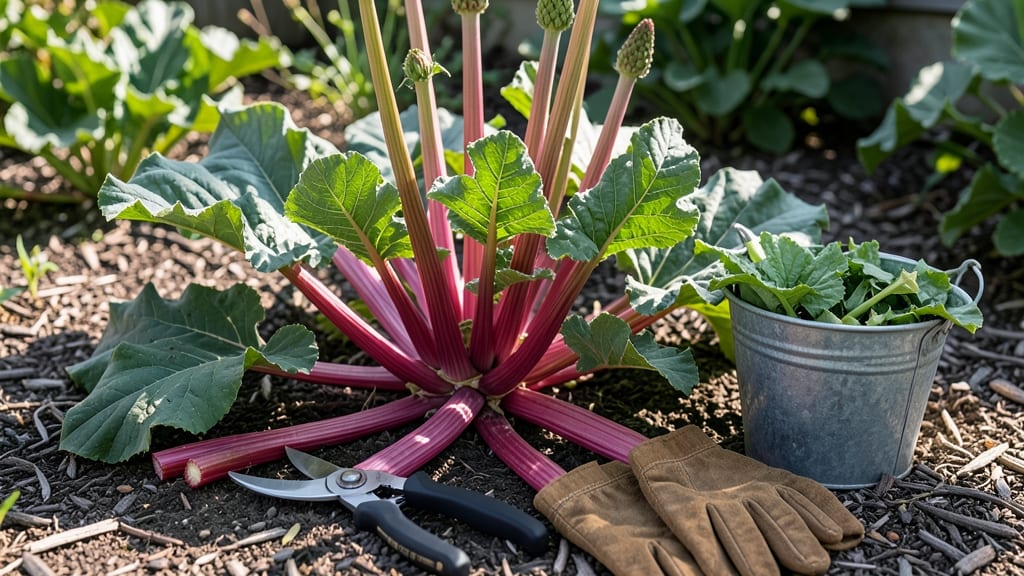
Pruning rhubarb plants in early spring unlocks the secret to thicker stalks and years of abundant harvests. ✂️ I’ve watched my rhubarb go from scraggly to showstopping after mastering this simple three-step process—no horticultural degree required.
The key is timing, technique, and knowing which canes to keep (and which to cut). You’ll need just three tools: sharp pruners, a bucket for cuttings, and a pair of gloves to protect your hands from those stubborn stalks.
Work on a dry morning when the soil is workable but before new growth shoots more than 6 inches tall—that’s when the plant is most receptive to shaping. By following these steps, you’ll encourage stronger root systems and stalks that grow 2-3 inches thicker than unpruned plants.
The first harvest will be just as sweet, but the years that follow? That’s when you’ll see the real payoff—bold, vibrant stalks that outperform the neighbors’. This method works for both young plants and established rhubarb crowns, whether you’re growing in garden beds or containers.
Let’s get those canes in shape for a harvest that’ll last all season.
📚 In This Guide
- What you need
- Instructions
- Tips and common mistakes
- Wrapping up and next steps
What you need
- ● Pruning shears or secateurs – Choose bypass pruners (sharp, clean blades) for precise cuts. A 5- to 7-inch size works best for rhubarb canes.
- ● Garden gloves – Heavy-duty, nitrile-coated gloves (size medium/large) to protect hands from thorns and rough stems.
- ○ Disinfectant (optional but recommended) – 70% isopropyl alcohol or a 10% bleach solution (1 part bleach to 9 parts water) to sterilize tools and prevent disease.
- ● Compost or mulch – A 2- to 3-inch layer of well-aged compost or straw to replenish soil nutrients after pruning.
- ● Watering can or hose – For post-pruning hydration (aim for 1 gallon per plant if soil is dry).
- ● Garden twine or labels – To mark newly planted crowns or track pruning progress.
- ● Knee pads – For comfort if your rhubarb patch is sprawling!
- ● Plant food (balanced 10-10-10 or organic) – A ½ cup per plant after pruning to boost growth.
- ● Wheelbarrow or bucket – To collect and dispose of pruned canes (or compost them!).
Instructions for pruning rhubarb plants
Here's the simple method I've used for years to keep my rhubarb thriving and producing.
✂️ Step 1: Identify and Remove Old Canes
First, look for last year's canes—they're the thick, brownish stems that grew from the ground. These old canes are done producing for the season and will only steal energy from new growth. I grab each one at the base and give it a firm twist to remove it cleanly. If it resists, use clean pruners to cut it at ground level.
You'll know you're doing it right when you see fresh, green growth emerging from the center of the plant. This is where your energy-rich stalks will develop. Never pull more than a third of the canes at once—rhubarb is sensitive to drastic changes. I aim to remove about 4-6 old canes from a mature plant, leaving plenty of new ones to carry the harvest.
🌱 Step 2: Thin Crowded Growth for Better Airflow
Next, check for any crowded or weak-looking canes that aren't growing upright. These often develop in the center of the plant where sunlight gets blocked. Gently grasp each cane near the base and pull it straight up—if it resists, it's part of your healthy framework. Remove any that feel soft or mushy, as these won't produce well and may harbor disease.
Thinning improves airflow, which prevents fungal issues like crown rot. You'll notice the remaining canes stand taller and develop thicker stalks. I space them about 6 inches apart to give each plant room to grow. This step is especially important in the first few years when rhubarb establishes itself.
☀️ Step 3: Cut Back Weak or Damaged Stalks
Now focus on the stalks themselves. Look for any that are thin, leggy, or showing signs of disease like black spots or yellowing. These won't produce quality harvests and may spread problems to healthy canes. Use your pruners to cut these back to the ground, being careful not to damage the main crown.
For healthy stalks, leave them intact but watch for any side shoots that form along the main stem. These "blind stalks" won't produce edible growth. Pinch them off when they're about 2 inches long to redirect the plant's energy into the main stalks. You'll see stronger, thicker harvests within weeks of proper pruning.
⏰ Step 4: Time Your Pruning for Maximum Growth
The best time to prune is right after your first harvest in early spring, when new growth is about 12 inches tall. This gives the plant time to recover before summer's heat. Avoid pruning in late summer or fall—rhubarb needs all its energy stored for next year's growth.
I always prune on a dry day when the soil isn't muddy. Wet conditions can spread disease through open wounds. After pruning, give your plants a good drink of water to help them recover. You'll notice fresh, vibrant growth within days—that's your reward for proper care.
Tips & tricks for pruning rhubarb plants
A few simple tricks that'll transform your rhubarb patch from struggling to spectacular.
Timing is Everything: I can't stress this enough—prune right after your first harvest in early spring when new growth reaches about 12 inches tall. This timing gives your plants the perfect head start for summer growth. If you wait too long, you risk stressing the plant before it's ready to recover. I've learned this the hard way after seeing plants struggle when pruned too late in the season.
The Twist Test: When removing old canes in Step 1, give them a firm twist at the base. If they come out cleanly, you're golden. If they resist, use clean pruners to cut at ground level—this prevents tearing that can damage the crown. I always sterilize my pruners with rubbing alcohol first to prevent spreading any potential diseases between plants.
Visual Cues for Healthy Growth: After pruning, look for fresh green growth emerging from the center. This is your plant's way of telling you it's happy and ready to produce. If you see mostly brown or weak-looking canes, you might be pruning too aggressively. Remember: never remove more than a third of the canes at once—this keeps your rhubarb balanced and thriving.
Seasonal Awareness: Avoid pruning in late summer or fall—this is when rhubarb stores energy for next year's growth. I always mark my calendar with the date of my first harvest to remind myself when it's time to prune. This seasonal timing makes all the difference in your plant's long-term health and productivity.
Pro Tips for Pruning Rhubarb Plants
- A few simple tricks that'll transform your rhubarb patch from struggling to spectacular.
- Timing is Everything: I can't stress this enough—prune right after your first harvest in early spring when new growth...
- The Twist Test: When removing old canes in Step 1, give them a firm twist at the base. If they come out cleanly, you'...
Frequently asked questions
about pruning rhubarb plants—because even seasoned gardeners have doubts! Here are answers to the most common queries to keep your rhubarb thriving.When is the best time to prune rhubarb?
Prune rhubarb in early spring, just as new shoots emerge (before active growth). Avoid pruning in fall or winter—this can stress the plant. If you harvest stalks, cut them at the base only after the plant has established for 2+ years to avoid weakening it.
How often should I prune rhubarb plants?
Prune rhubarb once a year in early spring to remove dead or weak canes. After the first harvest year, you can also trim stalks as needed during the growing season—but never take more than 1/3 of the stalks at a time. Over-harvesting reduces next year’s yield!
What if I accidentally cut the wrong part of the rhubarb?
If you nick the crown (the thick, fleshy base where stalks grow), don’t panic! Just keep the cut clean and avoid disturbing it. The plant will recover if the crown itself isn’t damaged. Focus on removing only dead canes or stalks at the base—never the center.
Can I prune rhubarb in summer?
Summer pruning is tricky! While you can harvest stalks in summer, avoid heavy pruning. Remove only fully mature stalks (thick, red-tinged ones) and leave younger, leafy growth. Over-pruning in summer stresses the plant and may reduce next year’s harvest.
What if my rhubarb plant looks sad after pruning?
If your rhubarb seems wilted or weak post-pruning, it might need extra care. Water deeply, mulch around the base, and avoid harvesting for a few weeks. Yellow leaves? Check for pests (like aphids) or overcrowding. With time, healthy canes should rebound—just be patient!
Wrapping up and next steps
Pruning rhubarb isn’t just about tidying up—it’s the secret to stronger plants and sweeter harvests! 🌱 By removing old canes, thinning crowded stalks, and keeping your garden healthy, you’re setting your rhubarb up for years of abundance.
Now that you’ve mastered the 3-step method, grab those shears and get pruning—your future breakfasts (and pies!) will thank you.
Ready to take it further? Track your progress by marking pruning dates in a garden journal or share your tips with fellow gardeners online. Happy growing!