
Pruning
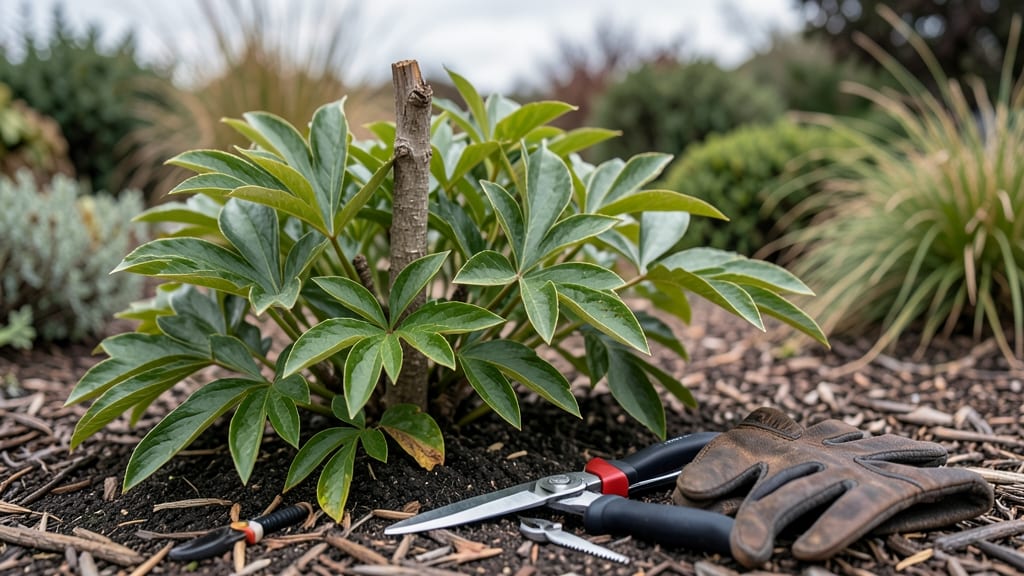
Fall pruning peonies in zone 4 means waiting until after the first frost—never before! ✨ I learned this the hard way when my bushes sent up fresh growth before winter, only to freeze back to the ground.
The key is timing: prune when the foliage turns brown and dies back naturally, typically late October to November in colder climates.
You only need three things: sharp pruners, a bucket for clippings, and a clear day. Cut back the stems to 2 inches above the ground, removing all dead foliage. This isn’t about shaping—it’s about encouraging next year’s blooms by letting the plant rest properly.
Over-pruning in fall can weaken the roots, so resist the urge to tidy up too early.
What you’ll get is stronger stems and bigger blooms next spring—peonies reward patience. The right timing prevents disease, improves airflow, and ensures the plant stores energy for new growth. In milder zones (like 7-9), you might wait until early winter when frost is a sure thing.
Here’s the secret: don’t prune at all in spring. Peonies bloom on old wood, so cutting back too soon removes next year’s flowers. The fall prune is your one chance to set the stage for a showstopping display. Ready to transform your garden next year?
📚 In This Guide
- What you need
- Instructions
- Tips and common mistakes
- Wrapping up and next steps
What you need
- ● Bypass pruners: Sharp, clean pair (size 7–9 inches) for precise cuts. Pro tip: Disinfect blades with rubbing alcohol before and after use to prevent disease spread! 💡
- ○ Loppers: Heavy-duty (10–14 inches) for thicker stems (optional but helpful for mature peonies).
- ● Gloves: Sturdy gardening gloves (nitrile-coated for grip) to protect hands from thorns and dirt.
- ● Disposable pruning bags or bucket: For collecting debris (1–2 gallons).
- ● Rake: Small leaf rake (12–18 inches) to clear fallen foliage post-pruning.
- ○ Mulch (optional): Shredded bark or straw (2–3 inches) for zones 3–5 to insulate roots over winter.
- ○ Pruning sealant (optional): For large cuts in cold climates (zones 1–4) to prevent moisture loss.
- ● Check your USDA Hardiness Zone (peony pruning timing varies by zone—see our guide for specifics!).
- ● Wait until after the first frost (foliage should be brown and crispy, but stems still stand upright).
- ● Work on a dry, overcast day to minimize stress on the plant.
Step-by-Step instructions for pruning peonies in the fall
Here's the foolproof method I use every autumn to keep my peonies blooming bigger and stronger each year.
✂️ Step 1: Wait Until After First Frost
Timing is everything with peonies—never cut back until after the first hard frost when foliage turns brown and crispy. This gives the plant time to absorb nutrients from the leaves for next year's blooms. I wait until mid-to-late October in my zone 5 garden, but check your local frost dates first.
Look for completely brown stems and leaves—this signals the plant has gone dormant. If you prune too early, you'll remove leaves that are still feeding the roots. I test by gently tugging a stem; if it resists, it's not ready yet.
✂️ Step 2: Cut Back to 2-3 Inches Above Ground
Use clean, sharp pruners to cut stems back to 2-3 inches above the ground level. This height prevents rot while leaving enough protection for the crown. I angle my cuts slightly to prevent water from pooling on the stub.
Don't remove all the foliage—those brown leaves act as insulation through winter. If you're unsure where the crown starts, look for the swollen base where buds form. You'll see a thick, woody growth point right at ground level.
✂️ Step 3: Remove All Diseased or Damaged Stems
Inspect every stem for signs of black spot, powdery mildew, or cankers. Cut out any infected stems completely, then disinfect your pruners with rubbing alcohol. I always prune these first to prevent spreading disease to healthy stems.
Healthy stems should feel firm and solid—any mushy or hollow spots mean rot has set in. Remove these immediately and discard in the trash (don't compost diseased plant material). The goal is to start next season with only vigorous, disease-free growth.
🌱 Step 4: Clean Up Debris and Mulch
Rake up all cut stems and fallen leaves from around the plant. This prevents pests and diseases from overwintering. I gather everything in a pile and either burn it or put it in the trash—never compost peony debris.
Apply a 2-3 inch layer of mulch around the base, keeping it 6 inches away from the crown. Organic mulch like shredded bark helps regulate soil temperature. Water lightly after mulching to settle everything in place.
Tips & tricks for perfect fall peony pruning
After years of watching my peonies thrive (and a few years of overzealous early pruning), I've learned these simple tricks that make all the difference for next year's blooms.
Timing is Everything: That mid-to-late October window in Step 1 isn't just a suggestion—it's when peonies truly go dormant. I've ruined blooms by pruning too early, so I now check for completely brown stems that crumble easily between fingers. If you're in a warmer zone, wait until nighttime temperatures consistently dip below freezing.
Pruner Prep Matters: Before you start Step 3, wipe your pruners with rubbing alcohol between cuts on diseased stems. I keep a small bottle of 70% isopropyl alcohol in my gardening toolkit specifically for this purpose. Clean tools prevent spreading black spot and powdery mildew to healthy stems—something I learned the hard way after losing half my plants to infection.
Mulch Placement Secret: When applying that 2-3 inch layer in Step 4, create a donut shape around the base—keep mulch 6 inches away from the crown. This prevents rot while still insulating the roots. I use shredded hardwood bark because it breaks down slowly, adding organic matter to the soil over time. Avoid fresh wood chips, which can draw moisture away from the crown.
Pro Tips for Pruning Peonies In The Fall
- After years of watching my peonies thrive (and a few years of overzealous early pruning), I've learned these simple t...
- Timing is Everything: That mid-to-late October window in Step 1 isn't just a suggestion—it's when peonies truly go do...
- Pruner Prep Matters: Before you start Step 3, wipe your pruners with rubbing alcohol between cuts on diseased stems. ...
Frequently asked questions
Got questions about pruning peonies in the fall? You’re not alone! Here are answers to the most common concerns—so you can confidently prep your garden for next year’s showstopping blooms.
When is the exact best time to prune peonies in fall?
Prune peonies after the first hard frost (when foliage turns brown) but before winter dormancy sets in—typically late October to early November in most U.S. zones (3–8). This timing balances disease prevention and root protection. Check your zone for precision!
What if I miss the fall pruning window? Can I do it in spring?
Yes! If you skip fall, prune in early spring (March–April) before new shoots emerge. Avoid late spring cuts—peony buds form on last year’s growth, and over-pruning can reduce blooms. Just remove dead stems and thin crowded foliage.
How much should I cut back—just the leaves, or the stems too?
Cut back all foliage and stems to 1–2 inches above the ground. This removes disease hiding spots and redirects energy to root growth. Never leave stubs—peony crowns are prone to rot if moisture lingers.
Do I need to sterilize my pruners between cuts?
Wipe blades with rubbing alcohol or a 10% bleach solution between cuts to prevent spreading peony wilt or fungal diseases. Diseased stems should be bagged and discarded immediately—never compost them.
What if my peonies are in a colder climate (Zone 3–4)? Any extra steps?
In freezing zones, add a 3–4 inch mulch layer (straw or shredded leaves) after pruning to insulate roots. Avoid heavy mulch near the crown—it can cause rot. Also, prune earlier (late September) to give stems time to harden off before winter.
Pro Tip:
Mark pruned areas with sticks or flags if your garden has multiple peony varieties—this helps avoid accidentally pruning next year’s blooms!
Wrapping up and next steps
Pruning your peonies in the fall is a simple yet powerful way to ensure vibrant blooms and healthier plants next season! By following climate-zone timing and proper techniques, you’ll set the stage for stunning, long-lasting flowers. Don’t let hesitation hold you back—grab those shears and get pruning! 🌸
Ready to take the next step? Mark your calendar for your zone’s ideal pruning window, gather your tools, and enjoy the satisfaction of nurturing your garden. Your future peony displays will thank you!