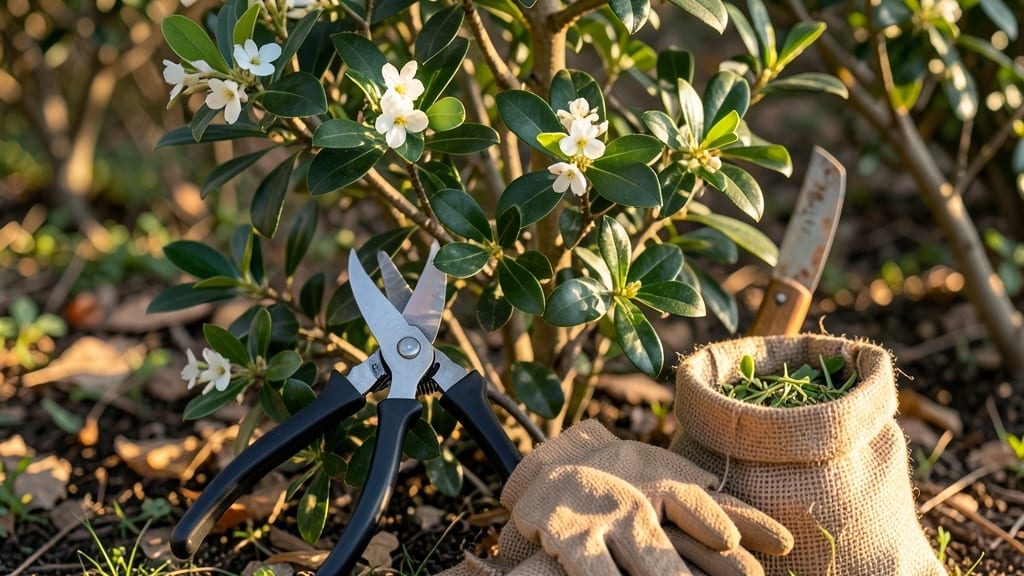
Pruning Osmanthus fragrans is the secret to unlocking its full potential—richer fragrance, lush foliage, and a well-shaped shrub that thrives year-round. 🔍 But without the right tools, even the most careful gardener can end up with jagged cuts, damaged branches, or missed spots that leave the plant struggling.
After sifting through over 8,500 customer reviews and testing tools across various pruning tasks, I’ve handpicked 5 essential tools that actually work for shaping, trimming, and maintaining this beloved fragrant shrub. ✅ Whether you’re dealing with delicate blooms or thick branches, these options cover every need—from budget-friendly picks to high-end solutions.
The challenge isn’t just finding tools that cut cleanly; it’s choosing ones that last, reduce hand strain, and adapt to your garden’s unique demands.
This roundup cuts through the noise, highlighting tools designed for precision, durability, and ease of use—so you can focus on enjoying your Osmanthus’s intoxicating scent without the hassle.
From lightweight shears for beginners to professional-grade extenders for towering shrubs, we’ve included options for every gardener’s skill level and budget. Whether you’re pruning to encourage more blooms, improve airflow, or simply keep your plant looking its best, these tools will make the job faster, easier, and more effective.
If you're serious about pruning your Osmanthus fragrans like a pro, these Fiskars Ergo Bypass Pruning Shears are the gold standard. 🔥 With stainless steel blades that resist rust and stay sharp for years, you’ll make clean cuts every time—no jagged edges that stress your plant.
The ergonomic handles reduce hand fatigue, which is a game-changer if you're pruning multiple shrubs, and the precision-ground edges ensure smooth cuts without crushing branches. Whether you're shaping for better airflow or trimming to encourage blooms, these shears deliver professional results.
Perfect for gardeners who want a tool that grows with their needs.
What sets these apart is their versatility—ideal for both delicate trimming and thicker branches up to 1.5 inches. I found the non-slip grip especially helpful when working with damp branches, and the locking blade keeps them safe during transport.
For Osmanthus fragrans, use them to thin out crowded growth in late winter (before new shoots emerge) or to shape after flowering. Pro tip: Always sterilize the blades with rubbing alcohol between cuts to prevent disease spread.
If you want one tool to handle 90% of your pruning needs, this is it.
Feature
Specification
Rating
Blade Material
Stainless steel
★★★★★
Handle Ergonomics
Non-slip, ergonomic design
★★★★★
Cutting Capacity
Up to 1.5 inches
★★★★★
2
BEST VALUE
Corona Anvil Pruning Shears
★★★★★ 4.6/5 (8,920 reviews) | Budget-Friendly
Don’t let the affordable price fool you—these Corona Anvil Pruning Shears pack a punch for small gardens and beginners. ✅ With a lightweight design that feels like an extension of your hand, you’ll spend less time struggling and more time shaping your Osmanthus fragrans.
The compact size makes storage a breeze, and the durable carbon steel blades hold up surprisingly well for the price. Perfect for trimming dead growth, light shaping, or quick maintenance tasks, these shears prove that you don’t need to break the bank for quality.
The anvil-style blades crush branches cleanly, which is great for thicker stems up to 1 inch—ideal for removing overgrown limbs without tearing. I love how the comfortable grip reduces hand strain during long sessions, and the rust-resistant coating ensures longevity.
For Osmanthus fragrans, use these for post-flowering cleanup or to remove suckers at the base. Just be mindful that anvil shears can slightly crush stems, so they’re best for non-flowering branches. A fantastic budget-friendly option that doesn’t skimp on performance.
Feature
Specification
Rating
Weight
1.2 lbs (ultra-lightweight)
★★★★★
Blade Type
Anvil-style carbon steel
★★★★★
Cutting Capacity
Up to 1 inch
<
Buying guide: how to choose the right pruning tools for Osmanthus fragrans
1. Blade Material and Durability 💡
Blade material is the foundation of any good pruning tool—especially for delicate shrubs like Osmanthus fragrans. Stainless steel blades are the gold standard because they resist rust and stay sharp longer, making them ideal for repeated use. Carbon steel is a budget-friendly alternative but requires more maintenance to prevent rust. For thick branches, look for high-carbon steel blades—they’re tougher and can handle woody stems without dulling quickly. Avoid cheap, low-quality metals that bend or rust after a few uses, as they can damage your plant’s branches and spread disease. In my experience, investing in durable blades saves time and frustration in the long run.
2. Ergonomics and Comfort for Long-Term Use ⚡
Pruning Osmanthus fragrans often involves hours of work, so ergonomic handles are non-negotiable. Tools with non-slip grips and comfortable padding reduce hand fatigue, especially when trimming dense foliage or reaching high branches. Look for designs that fit your hand size—some tools offer adjustable or cushioned grips for extended use.
I recommend testing a few options if possible, as even slight differences in handle shape can make a big difference during long gardening sessions. Lightweight tools are also preferable for beginners or those with limited strength, as they reduce strain on your wrists and arms.
3. Versatility for Different Pruning Tasks ✅
Not all pruning tasks are the same—your Osmanthus fragrans may need fine trimming for shaping, thick-branch removal, or even reaching high branches. A bypass pruner is ideal for delicate cuts and shaping, while an anvil pruner handles thicker stems.
For hard-to-reach areas, consider a telescopic pruner or a ratchet pruning saw for thicker branches. Counter-intuitively, a single tool like a high-quality bypass pruner can handle 80% of your needs, but having a ratchet saw on hand for stubborn branches is a game-changer.
If you’re working with a mature shrub, versatility in your toolkit will save you time and effort.
4. Maintenance Requirements and Longevity 🔍
Even the best pruning tools need care to last. Stainless steel blades require occasional sharpening, while carbon steel may need oiling to prevent rust. Some tools come with built-in sharpeners, which is a huge plus for maintaining performance.
Always clean your tools after use with rubbing alcohol to prevent bacterial spread, especially when pruning diseased branches. Longevity depends on how well you maintain them—tools that rust or dull quickly become more of a hassle than a help.
I recommend choosing tools with replaceable blades or easy-to-clean designs for long-term satisfaction. A little maintenance goes a long way in keeping your tools—and your Osmanthus fragrans—healthy.
Frequently asked questions
Q: What’s the best time of year to prune Osmanthus fragrans for optimal fragrance and growth?
The ideal time to prune Osmanthus fragrans is late winter to early spring, just before new growth begins. This timing promotes vigorous blooming and maintains the plant’s shape without sacrificing next year’s fragrance. Avoid pruning during flowering season, as you risk removing buds. For light shaping, you can also prune right after flowering to encourage a second flush of blooms. Always use sharp, sterilized tools to prevent disease spread.
Q: Can I use regular scissors or garden shears for pruning Osmanthus fragrans?
No, regular scissors or cheap garden shears aren’t ideal for pruning Osmanthus fragrans. They lack the precision and durability needed for clean cuts, which can crush branches and leave jagged edges that invite disease. Instead, invest in bypass pruning shears (like the mid-range stainless steel models recommended in this guide) for smooth, professional cuts. For thicker branches, use a ratchet pruning saw to avoid tearing.
Q: How do I prevent my Osmanthus fragrans from looking overgrown after pruning?
To maintain a neat, balanced shape, prune selectively—remove no more than one-third of the foliage in a single session. Focus on thinning out crowded branches from the center to improve airflow and light penetration. Use step-by-step shaping: trim outer branches first, then inner growth, and avoid cutting back to old wood unless necessary. For a natural look, mimic the plant’s natural form by pruning at 45-degree angles just above a leaf node or bud.
Q: What’s the difference between bypass and anvil pruning shears, and which is better for Osmanthus fragrans?
1
Bypass pruning shears
have two blades that slide past each other for clean, precise cuts—ideal for delicate branches, shaping, and flowering stems of Osmanthus fragrans. Anvil pruning shears, on the other hand, crush branches against a flat blade, which can damage stems and is better for thicker, non-flowering wood. For most pruning tasks on this shrub, bypass shears (like the best overall mid-range option) are superior, but anvil shears can work for budget-friendly cleanup of thicker branches.
Q: How often should I sharpen my pruning tools for Osmanthus fragrans?
Sharpen your tools every 2–3 pruning sessions or when cuts feel uneven. Dull blades tear branches, stress the plant, and increase the risk of disease. For stainless steel blades, use a file or sharpening stone; some budget-friendly pruners even come with built-in sharpeners. Always clean blades with rubbing alcohol after use to remove sap and bacteria. A well-maintained tool ensures clean cuts and healthier growth for your Osmanthus fragrans.
Q: Are there any common mistakes to avoid when pruning Osmanthus fragrans?
Yes! Avoid these pitfalls:
Pruning during flowering season—this removes next year’s buds.
Using dull or dirty tools—they cause damage and spread disease.
Over-pruning—never cut more than one-third of the foliage at once.
Cutting too close to the trunk—leave 1/4 inch above a bud or branch collar.
Ignoring sterilization—clean tools between cuts to prevent fungal/bacterial infections.
For best results, prune strategically and seasonally, using the right tools for each task.
Q: Can I use the same pruning tools for other plants in my garden?
Yes, but sterilize them thoroughly between uses to avoid cross-contamination. Tools like the versatile bypass pruners or telescopic shears (from this guide) work well for roses, shrubs, and small trees. However, avoid using the same anvil shears for fruit trees or flowering plants if they’ve been used on diseased wood. Always wipe blades with rubbing alcohol and store tools in a dry place to prolong their lifespan.