
Pruning
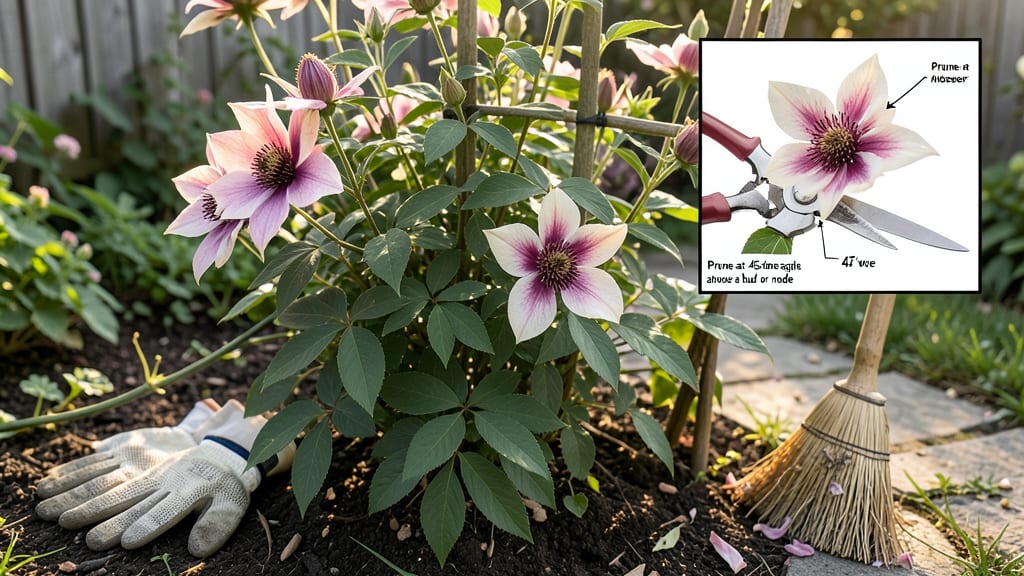
Pruning Nelly Moser clematis in late winter unlocks a summer of gorgeous, dinner-plate blooms—the kind that make neighbors stop and stare. 🌸 I’ve pruned this variety for years, and the difference between a well-timed cut and a missed opportunity is night and day.
Nelly Moser thrives on bold pruning because it blooms on new growth, so aggressive cuts in late winter (just as buds swell) set the stage for nonstop color from June to frost.
The key is patience and precision: you’ll need sharp bypass pruners, a sturdy ladder (these vines climb 10–12 feet!), and a clear plan for third-of-the-vine pruning.
Start by removing dead or weak stems first, then cut back the strongest canes to 12–18 inches tall, leaving 2–3 healthy buds at the base. This might sound drastic, but trust the process—Nelly Moser rebounds with thicker stems and bigger blooms than ever before.
What you’ll end up with is a clematis that looks like it belongs in a botanical garden, not your backyard. The flowers—deep pink with yellow centers—will be so abundant they’ll spill over trellises and archways, and the foliage stays lush all season long.
Just avoid the temptation to prune too early (before buds swell) or too late (after growth starts), and you’re golden. This method works for any group 3 clematis (like ‘Jackmanii’ or ‘Comtesse de Bouchaud’), but Nelly Moser’s large, showy blooms make it worth the extra effort.
Grab your gloves and let’s get those vines looking like showstoppers!
📚 In This Guide
- What you need
- Instructions
- Tips and common mistakes
- Wrapping up and next steps
What you need
- ● Bypass pruners – Sharp, clean pruners (e.g., Felco F-2 or similar) for precise cuts. Size: 5–7 inches, with ergonomic grips.
- ○ Loppers – For thicker stems (optional but helpful if your vine is mature). Size: 8–12 inches.
- ● Hand saw or pruning saw – For stubborn, thick growth. Type: Curved blade for better control.
- ● Rubbing alcohol (70% or higher) – 4–8 oz bottle to sterilize tools between cuts.
- ● Garden gloves – Heavy-duty gloves to protect against thorns and rough stems.
- ● Disposable pruning bags or bucket – For collecting debris. Size: 5+ gallon capacity.
- ● Weather check – Prune on a dry, cool day (avoid frost or rain).
- ● Sun protection – Sunglasses, sunscreen, and a hat for outdoor work.
- ● Sturdy ladder or stool – If your clematis is tall (e.g., 6+ feet). Tip: Secure it to a stable surface!
- ● Sharpener or sandpaper – To maintain tool sharpness between pruning sessions.
- ● Pruning sealant – For large cuts (e.g., Tanglefoot Tree Wound Pruning Seal).
- ● Labeling tags – To mark pruned sections if training new growth.
- ● Knee pad or cushion – For comfort if kneeling near the base.
- ● Spray bottle with water – To mist tools and prevent overheating.
Step-by-step guide to pruning Nelly Moser clematis
This is the exact method I use to keep my Nelly Moser clematis blooming from early summer through fall. It’s a late-winter task that sets up a spectacular season.
✂️ Step 1: Wait for the Right Time
Prune your Nelly Moser clematis in late winter, just as new growth begins but before buds swell. This is typically 4-6 weeks before your last frost date. You’ll know it’s time when you see tiny green shoots at the base of the plant—these are your signal to start.
Never prune in fall or early winter. Doing so removes the plant’s protective buds and exposes it to cold damage. I always mark my calendar for mid-February in most climates, but adjust based on your local frost dates. The goal is to cut back just enough to encourage strong new growth without sacrificing next year’s blooms.
✂️ Step 2: Identify and Remove Dead or Weak Growth
Start by examining your clematis for any dead, diseased, or crossing stems. Dead wood is easy to spot—it’s brown, brittle, and won’t bend. Diseased stems may have black spots or mold. Remove these first with clean, sharp pruners, cutting back to healthy wood.
Next, look for stems that cross or rub against each other. These create wounds that invite pests and disease. If you see two stems growing in the same direction, gently separate them if possible. If they’re tightly bound, cut the weaker of the two at the base. This step ensures better airflow and stronger growth.
✂️ Step 3: Prune for Structure and Bloom Timing
Nelly Moser is a Group 3 clematis, meaning it blooms on both old and new wood. Your goal is to maintain a balanced structure while encouraging vigorous new growth. Look for last year’s flower stems—they’re thicker and often have dried seed heads. Cut these back by about one-third to one-half, leaving 3-4 healthy buds on each stem.
For new growth, leave the topmost buds intact. These will produce this year’s flowers. Avoid cutting back too aggressively—you want to preserve the plant’s energy reserves. If you’re unsure which stems are old or new, focus on thinning out crowded areas first. The key is to create an open, airy structure that lets sunlight reach the center.
✂️ Step 4: Clean Up and Support the Plant
After pruning, remove all cuttings and debris from the area to prevent disease. Sterilize your pruners with rubbing alcohol or a 10% bleach solution between cuts to avoid spreading pathogens. Once the plant is pruned, give it a light layer of mulch around the base to retain moisture and protect roots.
Now’s also the time to check your clematis’ support structure. If you’re using a trellis, arbor, or wires, ensure it’s sturdy and positioned to guide the plant’s growth upward. Nelly Moser’s vines can grow 10-15 feet long in a season, so a strong support system is critical. If your structure is old or weak, replace it before new growth starts.
🌱 Step 5: Fertilize and Monitor for New Growth
Apply a balanced, slow-release fertilizer (like 10-10-10) around the base of the plant, following package instructions. This gives your clematis the nutrients it needs to bounce back after pruning. Water deeply to help the fertilizer penetrate the soil and encourage root growth.
Watch for new shoots to emerge within 2-4 weeks. These will be your first sign that the pruning was successful. Keep the soil consistently moist but not soggy—Nelly Moser prefers well-drained soil. If you notice any yellowing leaves or stunted growth, adjust your watering or check for pests like aphids or spider mites.
Tips & tricks for pruning Nelly Moser clematis
These simple tricks will help you transform your late-winter pruning into a summer of spectacular blooms.
Timing is Everything: The 4-6 week window before your last frost date is crucial for Nelly Moser clematis. I always check for those tiny green shoots at the base—this is your cue to start pruning. If you wait too long, you risk cutting off potential blooms for next year. Real talk: I’ve missed this window before, and my plant took months to recover. Mark your calendar now!
Tool Prep Matters: Sterilizing your pruners between cuts is non-negotiable. I keep a small bottle of rubbing alcohol handy and wipe down my blades after every 3-4 cuts. This prevents spreading disease from any infected stems you might encounter. Also, make sure your pruners are sharp—dull blades crush stems instead of making clean cuts, which stresses the plant.
Visual Cues for Pruning: When cutting back last year’s flower stems by one-third to one-half, look for the dried seed heads—they’re your target. Aim to leave 3-4 healthy buds on each stem. For new growth, focus on the topmost buds—they’ll produce this year’s flowers. I think of it like sculpting: you’re shaping the plant’s future while preserving its energy for blooming.
Support System Check: Nelly Moser’s vines can reach 10-15 feet, so your support structure must be ready before new growth starts. I always inspect mine after pruning—if wires are sagging or trellis panels are wobbly, I replace them immediately. A sturdy support prevents broken stems and ensures your plant can climb properly to reach sunlight.
Pro Tips for Pruning Nelly Moser Clematis
- These simple tricks will help you transform your late-winter pruning into a summer of spectacular blooms.
- Timing is Everything: The 4-6 week window before your last frost date is crucial for Nelly Moser clematis.
- Tool Prep Matters: Sterilizing your pruners between cuts is non-negotiable.
Frequently asked questions
Got questions about pruning your Nelly Moser clematis? You’re not alone!
Here are the most common queries—plus straightforward answers—to keep your vine thriving and blooming like crazy this summer.
When is the absolute best time to prune Nelly Moser clematis?
Late winter (just before new growth starts) is ideal—typically February or early March in most climates. This gives your plant a head start for its second (and third!) bloom cycles. Avoid pruning in fall or early spring, as Nelly Moser blooms on both old and new wood, and you’ll risk cutting off potential flowers.
How much should I cut back? Does it matter if I go too far?
For Nelly Moser, aim to prune back by 1/3 to 1/2 of its height. Look for the first pair of healthy buds (eyes) below where you want to cut—this ensures robust regrowth. Don’t panic if you trim too much! While it might take a year to fully recover, this vigorous variety bounces back. Just avoid cutting into woody stems (no green pith).
What if my clematis isn’t blooming after pruning?
Check these fixes:
- Light: Nelly Moser loves 6+ hours of sun. If it’s shaded, relocate or thin nearby foliage.
- Water: Drought stress = fewer blooms. Water deeply 1-2x/week during dry spells.
- Fertilizer: Feed with a balanced, high-phosphorus fertilizer (like 10-20-10) in early spring.
- Deadheading: Snip spent blooms to encourage more flowers.
Can I prune Nelly Moser in stages? Or should I do it all at once?
You can prune in 2-3 sessions if you’re nervous, but Nelly Moser handles a single, bold cut best. If you’re staging it, space cuts 2-3 weeks apart to avoid shocking the plant. Just never prune after May, or you’ll sacrifice summer blooms. Pro tip: Sterilize your shears with rubbing alcohol between cuts to prevent disease!
What if I missed the late-winter window? Can I still prune?
Yes! Light pruning (removing dead/diseased stems or shaping) is fine anytime. But avoid heavy cuts after early spring—you’ll lose potential blooms. If your vine looks overgrown in summer, just trim back 10-15% of the height and focus on deadheading. Patience is key—Nelly Moser forgives a little tardiness!
Wrapping up and next steps
Pruning your Nelly Moser clematis in late winter isn’t just about tidying up—it’s your secret to a showstopping summer display! By mastering the three-step pruning method and timing it right, you’ll encourage lush, repeat blooms and keep pests at bay.
Remember, patience and sharp tools are your best friends—your clematis will reward you with vibrant, long-lasting flowers all season.
Ready to transform your garden? Grab your gloves, mark your calendar for late February or early March, and give your Nelly Moser the care it deserves! 🌸✂️