
Pruning
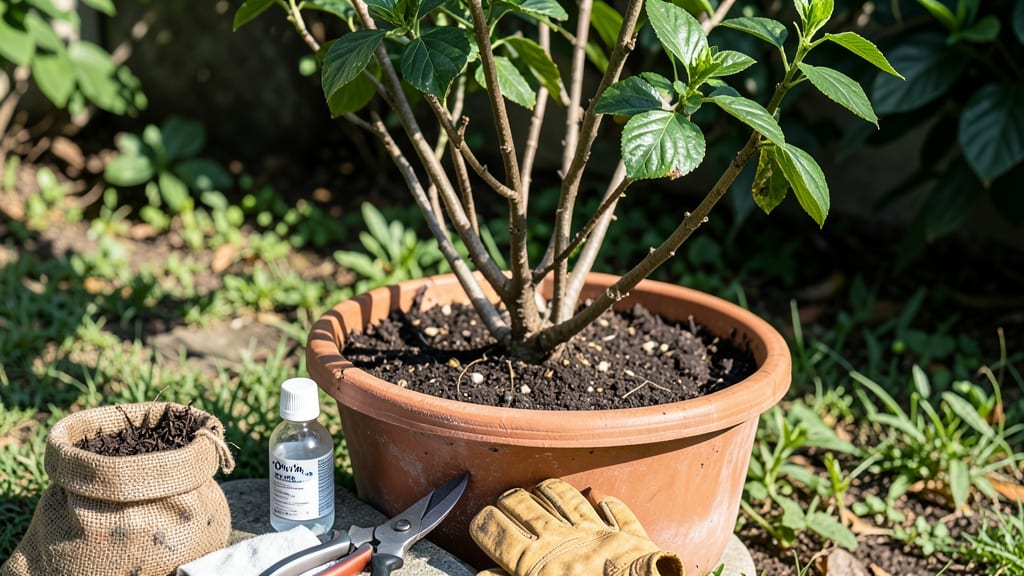
Leggy hibiscus with sparse blooms can turn into a lush, flowering powerhouse—if you prune the right way. 🌸 I’ve nursed back three plants from bare stems to vibrant bushes, and the secret isn’t harsh cuts but strategic shaping that encourages new growth where you want it.
Most gardeners over-prune or cut at the wrong time, but this method works even for beginners.
The fix starts with timing: prune right after blooming season (late summer or early fall) when the plant has stored energy. You’ll need sharp pruners, rubbing alcohol for sanitizing cuts, and a clear plan—cut back one-third of the leggy stems to just above a leaf node, never at a joint.
This forces the plant to redirect energy into shorter, bushier branches that bloom better.
Within 4-6 weeks, you’ll see fresh green shoots where you made cuts, and by next season, your hibiscus will be fuller, taller, and covered in blooms. The key is consistency: repeat the process yearly, and avoid cutting into old wood (it won’t regrow).
Post-pruning, keep the soil moist but not soggy, and feed with a balanced fertilizer to support new growth.
This works for tropical, hardy, and dwarf hibiscus alike—just adjust the severity of cuts based on your plant’s size. No more sad, sparse stems: just bushy, blooming beauty that turns heads at your front door. Let’s get those shears out!
Root Causes Of Overgrowth
Leggy hibiscus isn’t just a case of "too much plant"—it’s often a response to underlying conditions that push your shrub toward rapid, unbalanced growth. Understanding these triggers helps you fix the problem at its source, not just hack away at the symptoms.
Here’s why your hibiscus might be stretching for the sky instead of filling out beautifully.
Hibiscus (Hibiscus rosa-sinensis) is a sun-worshipper—it thrives in full sun (6–8+ hours daily). When deprived of adequate light, the plant enters a survival mode called etiolation, where it elongates stems to reach sunlight. This weakens stems, reduces foliage density, and delays blooming.
- How it happens: Shade from nearby trees, buildings, or even dense foliage causes the plant to "chase" light, producing long, spindly growth with sparse leaves.
- Science behind it: In low light, auxin (a plant hormone) accumulates in stem tips, promoting rapid vertical growth while suppressing leaf and flower development.
- Actionable fix:
- Move your hibiscus to a sunnier spot (south- or west-facing is ideal).
- If relocating isn’t possible, use a grow light (12–16 hours/day) to supplement natural light.
- Thin out overhanging branches or trim nearby plants to improve airflow and light penetration.
Fertilizers high in nitrogen (the first number on the label, e.g., 30-10-10) fuel leafy growth at the expense of flowers and compact structure. While hibiscus needs nutrients, too much nitrogen—especially without balanced phosphorus (for blooms) and potassium (for root health)—leads to lanky, weak stems.
- How it happens: Excess nitrogen promotes rapid stem elongation but starves the plant of the phosphorus and potassium needed for determinate growth (controlled, bushy development).
- Science behind it: Nitrogen stimulates cell division in stems while inhibiting the production of florigen, the hormone that triggers flowering.
- Actionable fix:
- Switch to a balanced fertilizer (e.g., 10-10-10 or 8-3-9) or a bloom-specific formula (e.g., 5-10-10).
- Reduce fertilizer frequency: Feed every 4–6 weeks during growing season (spring–fall), and stop fertilizing in winter.
- Flush the soil with water to leach excess nitrogen if you’ve over-applied.
Hibiscus roots crave consistency. Erratic watering—whether drowning the plant or letting it dry out completely—disrupts nutrient uptake and hormonal balance, leading to leggy growth. Here’s how:
| Issue | Effect on Hibiscus | Why It Happens |
|---|---|---|
| Overwatering | Stems stretch upward to escape waterlogged soil; roots suffocate, reducing nutrient absorption. | Excess moisture triggers anaerobic conditions in roots, stressing the plant and prompting upward growth to access oxygen. |
| Underwatering | Stems elongate to maximize water absorption from the air; leaves wilt or drop, reducing photosynthesis. | Drought stress increases abscisic acid, a hormone that signals the plant to conserve water by reducing leaf surface area and promoting vertical growth. |
Actionable fix:
- Water deeply but infrequently: Aim for 1–1.5 inches of water per week, letting the top 2–3 inches of soil dry out between waterings.
- Improve drainage: Amend heavy soil with perlite or compost to prevent waterlogging.
- Use mulch (2–3 inches of organic mulch) to retain moisture and regulate soil temperature.
Hibiscus is tropical at heart and hates sudden temperature drops or cold drafts. When exposed to cooler conditions (below 60°F/15°C for extended periods), growth slows unevenly, causing stems to stretch toward warmth while leaves and flowers suffer.
- How it happens: Cold stress disrupts cytokinin production (a hormone that promotes cell division in buds and leaves), leading to sparse foliage and elongated stems.
- Science behind it: Low temperatures reduce photosynthetic efficiency, forcing the plant to prioritize stem growth over leaf and flower development to "reach" warmer microclimates.
- Actionable fix:
- Move potted hibiscus indoors (or to a garage/sunroom) before first frost (or when temps drop below 50°F/10°C).
- Use a space heater or heat mat for potted plants in cool climates to maintain root-zone warmth.
- For outdoor plants, choose microclimates (e.g., near a south-facing wall) to buffer temperature swings.
If your hibiscus is container-grown, root restriction (roots circling the pot) or compacted soil can stunt growth in all directions—except upward. The plant "escapes" its cramped space by sending out long, weak stems.
- How it happens: Roots growing in tight circles or waterlogged soil compete for oxygen and nutrients, triggering a survival response where the plant prioritizes vertical growth to access resources.
- Science behind it: Restricted roots produce ethylene gas, a stress hormone that inhibits root growth and promotes stem elongation.
- Actionable fix:
- Repot into a container 2–4 inches larger in diameter if roots are circling or poking out of drainage holes.
- Use a well-draining potting mix (e.g., 60% peat/perlite, 30% compost, 10% sand).
- For in-ground plants, loosen soil annually around the base with a garden fork to improve aeration.
💡 Pro Tip: Leggy hibiscus is rarely just one issue—combine fixes! For example, move the plant to full sun (light), repot it (roots), and switch to a bloom fertilizer (nutrients) for the best results.
Revive Your Hibiscus Now
Leggy hibiscus can feel like a lost cause, but with the right approach, you can transform your plant into a lush, blooming beauty. Below are practical, step-by-step solutions tailored to the root causes of legginess—whether it’s poor light, overcrowding, or neglect.
Plus, we’ll share prevention tips to keep your hibiscus thriving long-term.
Problem: Hibiscus left in the same pot for too long or planted too closely to others will stretch for light, leading to weak, leggy growth.
Solution:
- 🔪 Repot or Transplant (Spring or Early Summer)
- Choose a pot 2–3 inches larger in diameter than the current one, with drainage holes.
- Gently remove the plant, loosen the roots, and trim any circled or mushy roots (a sign of root rot).
- Use well-draining soil (a mix of potting soil, perlite, and compost works well).
- 🌱 Prune Back Leggy Stems
- Cut 1/3 of the leggiest stems at a 45-degree angle just above a leaf node or bud.
- Focus on vertical, sparse stems—this encourages bushier growth.
- Pro Tip: 💡 If your hibiscus is severely leggy, don’t hesitate to prune half the plant—it’ll bounce back stronger!
- 🌞 Give It Space
- Ensure 3–4 feet of clearance between plants to prevent competition for light.
- If growing in the ground, space hibiscus 5–6 feet apart for optimal airflow and sunlight.
Prevention: ✅ Repot every 2–3 years (or when roots circle the pot). ✅ Avoid overcrowding—hibiscus hate sharing space! ✅ Use larger containers for container-grown plants to delay repotting.
Problem: Hibiscus stretched toward a window or weak light source? That’s your plant begging for more sun.
Solution:
- 🏡 Move It to Bright, Indirect Light (Indoors)
- Place near a south- or west-facing window for 6+ hours of sunlight daily.
- If natural light is limited, supplement with a grow light (LED or fluorescent, 12–16 hours/day).
- 🌿 Gradual Sun Acclimation (Outdoors)
- If moving outside, harden off your hibiscus over 7–10 days (gradually increase sun exposure).
- Full sun (6+ hours daily) is ideal—just avoid midday scorching in hot climates (use shade cloth if needed).
- 🔄 Rotate the Plant Weekly
- Turn the pot quarter-turns to ensure even light exposure and prevent lopsided growth.
Prevention: ✅ Monitor light levels—hibiscus wilts or stretches if light is insufficient. ✅ Avoid deep shade (e.g., under trees or north-facing windows). ✅ Use reflective surfaces (like mirrors or white walls) to bounce light into the space.
Problem: Too much water or poor soil nutrition weakens hibiscus, leading to floppy, leggy stems.
Solution:
- 💧 Adjust Your Watering Routine
- Water when the top 1–2 inches of soil are dry (stick your finger in to check!).
- Ensure the pot has drainage holes—hibiscus hate soggy roots.
- Pro Tip: 🌡️ Water less in winter (growth slows, so soil stays moist longer).
- 🍽️ Feed with the Right Fertilizer
- Use a balanced, water-soluble fertilizer (10-10-10 or 20-20-20) every 2–4 weeks in growing season (spring–fall).
- For bloom boosts, switch to a high-phosphorus fertilizer (like 5-10-5) when buds form.
- Avoid over-fertilizing—burnt leaves mean it’s too much!
- 🌱 Refresh the Soil
- If the soil is depleted or compacted, repot with fresh, well-draining mix.
- Add a slow-release fertilizer or worm castings for a nutrient boost.
Prevention: ✅ Water deeply but infrequently—hibiscus prefer dry spells between waterings. ✅ Flush the soil every few months to remove salt buildup from fertilizers. ✅ Test soil pH (ideal: 6.0–7.0)—too acidic or alkaline stunts growth.
Problem: Hibiscus left unpruned develop long, bare stems with few blooms.
Solution:
- 📅 When to Prune
- Best time: Early spring (just as new growth starts) or after blooming season (late summer).
- Avoid pruning in fall or winter—the plant needs energy to recover.
- 🔪 How to Prune for Bushiness
- Cut back leggy stems to just above a leaf node or bud (this encourages branching).
- Remove dead or diseased branches at the base.
- Shape the plant—aim for a rounded, open form to maximize airflow and sunlight penetration.
- 🌸 Encourage More Blooms
- Pinch back new growth tips (especially on young plants) to promote side shoots.
- Deadhead spent blooms regularly to redirect energy into new flowers.
Prevention: ✅ Prune annually to maintain shape and health. ✅ Avoid heavy pruning in one session—space it out over a few weeks if needed. ✅ Use sharp, clean pruners to prevent disease spread.
Final Thought: 🎯 Leggy hibiscus isn’t a death sentence—it’s a sign your plant is ready for a makeover! With the right pruning, light, and care, you’ll have a bushier, bloom-filled beauty in no time. Start today, and watch your hibiscus transform!
Frequently asked questions
Can I prune my hibiscus during blooming season?
Pruning during active blooming can reduce flowers, but you can do light maintenance like removing dead blooms or slightly shaping leggy stems. For major pruning, wait until after blooming season (late summer/early fall) to encourage fresh growth. If you must prune now, limit cuts to 20% of the plant to minimize impact on flowers.
How do I know where to cut when pruning leggy stems?
Always cut just above a leaf node or bud at a 45-degree angle. This encourages new growth from the node. Avoid cutting into old wood (thick, woody stems) as they won't regrow. For severe legginess, cut back to one-third of the stem length to stimulate bushier regrowth.
What should I do with the pruned stems I cut off?
You have several options! Use healthy stems for propagation by placing them in water or moist soil. For diseased stems, dispose of them in the trash. If you have many cuttings, compost them (if disease-free) or use them as mulch. Never leave pruned material on the ground near your hibiscus to prevent pests or disease.
Will pruning my hibiscus make it bloom more?
Yes! Strategic pruning removes old growth and redirects energy to new, bushier stems that produce more flowers. Cutting back leggy stems encourages lateral branching, which leads to denser foliage and increased blooms. Just remember to prune at the right time (after blooming season) and use clean, sharp tools to prevent damage.
How often should I prune my hibiscus to prevent legginess?
For container-grown hibiscus, prune once a year (late summer/early fall) for maintenance. If your plant gets leggy between prunings, do a light shaping trim in early spring. Outdoor hibiscus may need annual pruning to maintain shape and encourage blooms. Always avoid heavy pruning in fall/winter when growth slows.