
Pruning
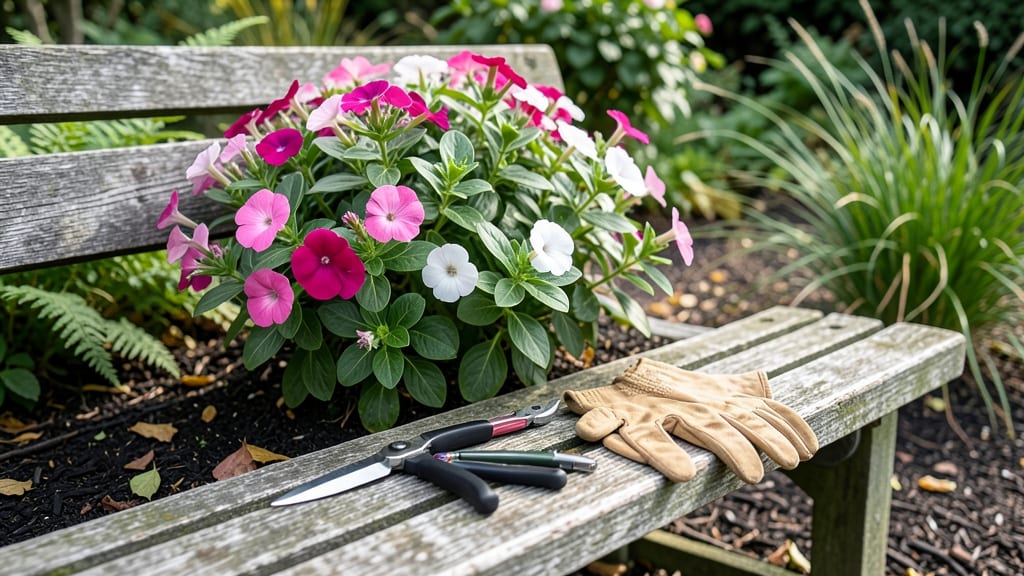
Pruning impatiens plants with just three simple snips can transform your ragged, leggy impatiens into a bushy, blooming powerhouse. ✂️ I’ve rescued more than a few sad, leggy impatiens with this exact method—no fancy tools or gardening degree required. The key is timing, technique, and knowing where to cut (and where not to). Start by deadheading spent blooms every 2-3 weeks during peak flowering. Use clean pruners to snip just above a set of leaves where new growth emerges. This isn’t just about looks—it forces the plant to focus energy on fresh blooms instead of seeding. For shaping, trim back leggy stems by one-third in early summer, but never cut into woody stems. By mid-summer, your impatiens will look fuller, bloom heavier, and stay bushier longer. The secret? Prune after morning dew dries but before afternoon heat sets in. Over-pruning or cutting into old wood stresses the plant—stick to soft, green growth for best results. Works for both garden beds and container impatiens. Here’s how to do it without killing your plants (yes, I’ve done that too).
📚 In This Guide
- What you need
- Instructions
- Tips and common mistakes
- Wrapping up and next steps
What you need
- ● Clean, sharp pruning shears – Bypass pruners (5-inch blades) work best for precision cuts without crushing stems.
- ● Garden gloves – Opt for nitrile-coated or gardening-specific gloves to protect your hands from thorns or sap.
- ● Disinfectant (70% isopropyl alcohol or hydrogen peroxide) – A small spray bottle or cotton swabs to sterilize tools between cuts.
- ○ Pruning saw (optional) – Only if dealing with thick, woody stems (rare in Impatiens but handy for stubborn growth).
- ● Choose the right time – Prune in the morning on a cloudy day to reduce stress on the plant.
- ● Water the plants 1–2 hours before pruning – Hydrated stems are easier to cut and heal faster.
- ● Gather a bucket or bag – For clippings (compost them or toss them—no need to waste blooms!).
- ● Check the weather forecast – Avoid pruning if rain or extreme heat is expected within 24 hours.
- ● Plant food or fertilizer – A balanced liquid fertilizer (10-10-10) to give your Impatiens a post-prune boost.
- ● Mulch (pine bark or compost) – To retain moisture and protect roots after pruning.
- ● Hand lens or magnifying glass – For spotting pests or diseases on stems or leaves.
Instructions for pruning impatiens to encourage bushier growth
Here's how I transform leggy, sparse impatiens into lush, flowering powerhouses with just a few strategic cuts.
✂️ Step 1: Identify and Remove Dead or Diseased Foliage
Start by scanning your impatiens for any brown, yellow, or mushy stems—they're either dead or infected. Grab your pruning shears and make a clean cut just above the first set of healthy leaves or leaf nodes. This prevents disease from spreading to the rest of the plant and keeps energy flowing to where it matters.
I always work from the bottom up, removing any stems that look weak or have holes from pests. If you see black spots or powdery residue, those stems need to go immediately. The goal here is to create a clean canvas for new growth—like giving your impatiens a fresh start without the baggage of old problems.
✂️ Step 2: Pinch Back Leggy Stems to Encourage Branching
Now focus on the long, bare stems that have few leaves or flowers. Using your fingers (no shears needed), gently pinch off the top 2-3 inches of growth just above a set of leaves. This might feel counterintuitive—you're removing the newest growth—but it forces the plant to send out new side shoots, creating a fuller, bushier shape.
For stems that are already flowering, cut back to just above the first set of leaves below the bloom cluster. You'll sacrifice some flowers now, but within 3-4 weeks, you'll see a burst of new growth and even more blooms than before. Think of it like giving your impatiens a haircut—sometimes you have to take a little off the top to make everything look better.
☀️ Step 3: Trim Back Overly Tall Stems to Maintain Shape
Stand back and look at your impatiens as a whole. If any stems are towering over the rest, making the plant look top-heavy, it's time to bring them into proportion. Cut these stems back by about one-third of their length, but always leave at least 2-3 sets of leaves on each remaining stem.
This step keeps your impatiens compact and prevents them from flopping over in heavy rain or wind. I like to make these cuts at a 45-degree angle just above a leaf node—it helps water run off cleanly and reduces the risk of rot. After trimming, give your plant a good drink of water to help it recover from the shock of pruning.
🌿 Step 4: Deadhead Spent Blooms Regularly
To keep your impatiens flowering nonstop, make deadheading a habit. Simply pinch or snip off the faded bloom clusters just above the next set of leaves. This prevents the plant from wasting energy on seed production and redirects it toward new flowers. I do this every few days during peak bloom season—it's a small effort that pays off with endless color.
If you're feeling ambitious, you can also trim back any stems that have multiple spent blooms to encourage a fresh flush of growth. Just be sure to leave at least one healthy leaf or bud on each stem. The more you deadhead, the longer your impatiens will keep blooming—it's like giving them a never-ending supply of motivation to produce more flowers.
Tips & tricks for pruning impatiens plants
Here's what nobody tells you about transforming those sad, leggy impatiens into vibrant, bushy beauties—without turning your garden into a war zone.
Timing is Everything: The best time to prune impatiens is in the morning when the plants are fully hydrated and the air is cool. This gives them the entire day to recover and reduces stress from midday sun. I've learned this the hard way after seeing plants wilt dramatically when pruned in the afternoon heat. Aim for early morning sessions for optimal results.
Tool Selection Matters: While you can pinch stems with your fingers, invest in a pair of sharp, clean pruning shears for larger cuts. Dull blades crush stems and leave jagged edges that invite disease. I sterilize my shears with rubbing alcohol between cuts on different plants to prevent cross-contamination. For delicate stems, I use small, sharp scissors instead of my fingers to avoid damaging the plant tissue.
Visual Cues for Perfect Cuts: When making your 2-3 inch pinches in Step 2, look for the point where the stem shows a slight bulge or bump—this is where new side shoots will emerge. The 45-degree angle cuts in Step 3 should be made just above a leaf node where you can see a tiny bump or bud forming. These visual cues ensure you're cutting in the right places for maximum regrowth potential.
Post-Pruning Care: After your pruning session, give your impatiens a thorough watering to help them recover. I've found that adding a balanced liquid fertilizer to the watering can helps reduce shock and promotes faster regrowth. Avoid fertilizing immediately after heavy pruning, though—wait at least 24 hours to give the plant time to recover from the stress first.
Pro Tips for Pruning Impatiens Plants
- Here's what nobody tells you about transforming those sad, leggy impatiens into vibrant, bushy beauties—without turni...
- Timing is Everything: The best time to prune impatiens is in the morning when the plants are fully hydrated and the a...
- Tool Selection Matters: While you can pinch stems with your fingers, invest in a pair of sharp, clean pruning shears ...
Frequently asked questions
Got questions about pruning impatiens?
You’re not alone! Here are some of the most common concerns—plus quick answers to keep your plants thriving.
When is the best time to prune impatiens?
Prune impatiens after they’ve finished blooming (late summer to early fall) to encourage new growth. For container plants, you can also trim lightly in spring to shape them. Avoid heavy pruning during heatwaves—wait for cooler weather to prevent stress.
How much should I trim back impatiens?
Cut back leggy stems by ⅓ to ½ their height to promote bushiness. For severely overgrown plants, don’t hesitate to trim ⅔ of the way down—they’ll bounce back! Just avoid cutting into woody stems, as impatiens are tender perennials (or annuals in cold climates).
What if my impatiens look sad after pruning?
Wilted leaves post-pruning? Stay calm—it’s normal! Water deeply and place plants in bright, indirect light (avoid harsh sun). If leaves turn yellow, you may have over-pruned. Next time, trim in stages over a week.
Can I prune impatiens to encourage more flowers?
Pinching back new growth tips (not just old stems) stimulates branching and more blooms. Deadhead spent flowers too—this redirects energy to fresh buds. For a continuous bloom, prune lightly every 2–3 weeks during the growing season.
What if I live in a cold climate—can I still prune?
Yes! In zones 3–7, treat impatiens as annuals—prune as usual in summer/fall, but remove dead plants in fall (they won’t survive winter). In milder zones (8+), prune lightly in late winter to prep for spring growth. Always check your local frost dates!
Wrapping up and next steps
Pruning your impatiens plants doesn’t have to be intimidating—just a few simple snips can breathe new life into wilted blooms and encourage lush, vibrant growth! 🌸 By following the right timing, technique, and aftercare, you’ll keep your plants thriving all season long.
Now that you’re armed with the know-how, grab those shears and give your impatiens the TLC they deserve. Ready for the next step? Watch your garden transform with bold, healthy blooms—one trim at a time! 🌿✨