Pruning
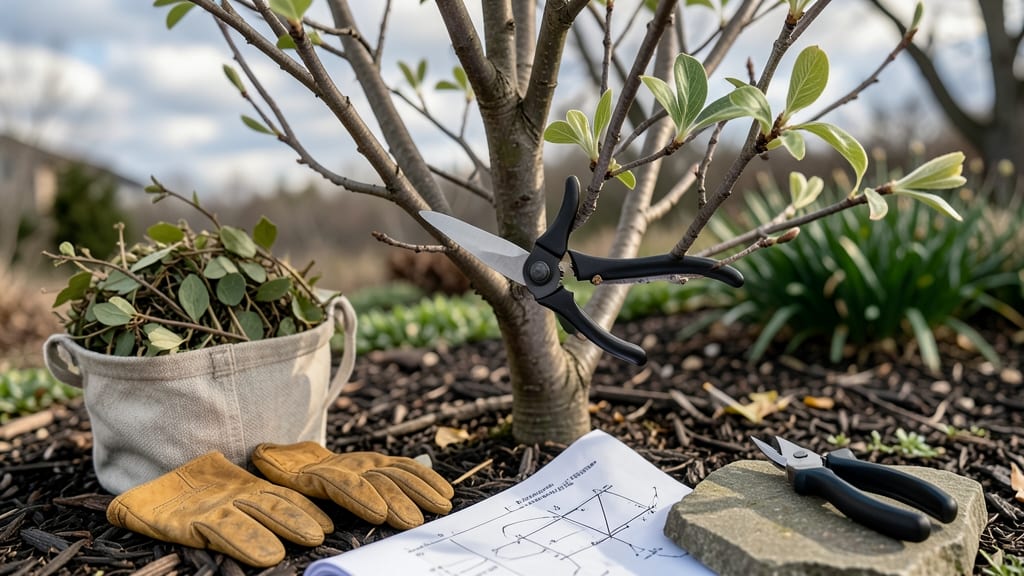
Pruning dogwood shrubs in late winter transforms leggy, woody branches into a lush, blooming masterpiece by summer. ✂️ I’ve watched my own dogwoods go from sad, overgrown clumps to showstopping focal points—all because of a few strategic cuts at the right time. The key?
Timing, technique, and knowing which branches deserve to stay (or go). You’ll need sharp pruners, a ladder if your shrubs are tall, and a clear day to see the structure. Most dogwoods bloom on last year’s growth, so wait until after flowering but before new buds swell in late winter.
For flowering dogwoods (Cornus florida), prune right after blooms fade, while non-flowering varieties like Cornus sericea can handle heavier cuts in late winter. What you’ll get is a shrub that bursts with vibrant blooms, dense foliage, and that perfect rounded shape.
The right cuts encourage airflow, reduce disease risk, and keep your dogwood looking younger for years. And trust me—your neighbors will ask how you did it. This method works for both small shrubs and large trees, whether you’re shaping a hedge or a standalone specimen.
Let’s get those branches looking intentional!
📚 In This Guide
- What you need
- Instructions
- Tips and common mistakes
- Wrapping up and next steps
What you need
- ○ Pruning shears: Bypass pruners (for clean cuts on small to medium stems; sharp, 5-7 inch blades recommended). Optional: Anvil pruners for thicker branches (but avoid these for dogwoods—they crush stems).
- ● Loppers: 18-24 inch for thicker branches (up to 2 inches in diameter). Choose bypass-style for precision.
- ● Hand saw: Pruning saw with a curved blade for stubborn, woody stems (avoid power saws—they can damage bark).
- ○ Gloves: Heavy-duty, cut-resistant (dogwood thorns are no joke!). Optional: Garden gloves with grip for extra comfort.
- ● Disinfectant: 70% rubbing alcohol or pruning sealant (to sterilize tools between cuts and prevent disease spread).
- ● Trash bags or bucket: For collecting pruned branches (aim for 1-2 large bags depending on shrub size).
- ● Weather check: Prune on a dry, cloudy day (or early morning) to avoid stressing the plant. Avoid pruning during frost or extreme heat.
- ● Safety gear: Safety glasses (in case of saw kickback) and closed-toe shoes (for protection from falling branches).
- ● Shrub assessment: Inspect your dogwood for dead, diseased, or crossing branches before starting. Mark these with flags or twine if needed.
- ○ Water & snacks: Optional but highly recommended—hydration breaks keep you sharp! ☀️💦
Step-by-step instructions for pruning dogwood shrubs
Here's how to revive your dogwoods with confidence—timing and technique make all the difference.
✂️ Step 1: Identify and Remove Dead or Diseased Branches
Start by examining your dogwood closely. Look for branches that are completely brown, brittle, or show signs of disease like blackened spots or oozing sap. These branches won’t recover and can spread problems to healthy growth. Use clean, sharp pruning shears to cut these branches back to the main stem or trunk, making your cut just outside a healthy bud or lateral branch.
I always prune at a slight angle to prevent water from pooling on the cut. If a branch is larger than 2 inches in diameter, use a pruning saw instead. Remove any branches that are crossing or rubbing against each other—they’ll create wounds that invite pests and disease. You’ll know you’re doing it right when the shrub looks lighter and more open after this first pass.
✂️ Step 2: Thin Out Overcrowded Growth
Dogwoods bloom best when they have good airflow and sunlight. Focus on removing branches that grow inward or downward—they compete with stronger branches for nutrients and light. Aim to thin out about 20-30% of the shrub’s total growth in this step. Start at the outer edges and work your way inward, cutting branches back to a strong lateral branch or the main stem.
Here’s the thing—don’t remove more than one-third of the shrub’s total branches in a single year. Dogwoods are sensitive, and aggressive pruning can stress them. Watch for branches that are growing too close together; these are prime candidates for removal. You’ll see a more balanced shape emerge as you go.
✂️ Step 3: Shape the Shrub for Optimal Growth
Now it’s time to refine the shape. Dogwoods naturally grow in a rounded form, so aim to maintain that silhouette. Step back frequently to visualize the final shape—you’re sculpting, not hacking. Cut back any branches that are growing too long or leggy, pruning them back to a strong lateral branch or bud. For a more open center, remove branches that are growing straight up from the ground; these often don’t produce flowers and can block sunlight from reaching the interior.
If your dogwood has become too tall or wide, you can lightly prune the top to encourage bushier growth. Just remember: never remove more than 25% of the total height in one year. Dogwoods bloom on last year’s growth, so avoid heavy pruning in late winter if you want a full display of flowers next summer. You’ll notice new shoots emerging from the pruned areas within a few weeks.
✂️ Step 4: Clean Up and Protect the Shrub
After pruning, collect all the clippings and dispose of them properly. If you notice any signs of disease on the branches, bag them and throw them away—don’t compost them. Sterilize your pruning tools with rubbing alcohol or a 10% bleach solution to prevent spreading any pathogens to healthy plants.
Apply a 2-3 inch layer of mulch around the base of the shrub, keeping it a few inches away from the trunk to prevent rot. Water the shrub deeply to help it recover from the pruning stress. Over the next few weeks, keep an eye out for new growth—this is your sign that the pruning was successful. If you see yellowing leaves or wilting, it might mean the shrub is struggling, so adjust your care accordingly.
Tips & tricks for pruning dogwood shrubs
Here's what nobody tells you about pruning dogwoods—these tricks will transform your shrubs from stressed to stunning.
The Right Time Matters: Late winter is ideal because dogwoods are still dormant, making it easier to see the structure. Prune after the coldest part of winter but before new growth begins—usually between late February and early March in most climates. This timing ensures you're not removing next year's flower buds, which form on last year's growth.
Tool Prep is Critical: Sterilize your pruning shears with rubbing alcohol or a 10% bleach solution before and after working with each shrub. This prevents spreading disease from one plant to another. I also recommend sharpening your tools—dull blades tear wood, creating larger wounds that heal poorly. A clean cut at a slight angle (about 45 degrees) prevents water from pooling on the cut surface.
Pruning by the Numbers: Remember those 20-30% guidelines? Here's why it works: Dogwoods naturally grow about 12-18 inches per year. Removing 20-30% of the total growth each year keeps the shrub healthy while maintaining its natural shape. For a 6-foot shrub, that means cutting back about 1-1.5 feet of growth per year. Never remove more than one-third of the branches in a single year—this can shock the plant and reduce flowering.
Visual Cues for Success: After pruning, step back and look at your shrub from all sides. You should see an open center with sunlight reaching the interior branches. The outer edges should form a rounded silhouette. If you notice too many branches growing straight up from the ground, these are called "water sprouts" and should be removed—they rarely flower and can block sunlight from reaching lower branches.
Pro Tips for Pruning Dogwood Shrubs
- Here's what nobody tells you about pruning dogwoods—these tricks will transform your shrubs from stressed to stunning.
- The Right Time Matters: Late winter is ideal because dogwoods are still dormant, making it easier to see the structur...
- Tool Prep is Critical: Sterilize your pruning shears with rubbing alcohol or a 10% bleach solution before and after w...
Frequently asked questions
Got questions about pruning dogwood shrubs? You’re not alone! Here are answers to the most common concerns—so you can tackle your shrubs with confidence and ease.
When is the absolute best time to prune dogwood shrubs?
Late winter (just before buds swell) is ideal for dogwoods—typically February to early March in most climates. This timing promotes healthy spring growth and prevents disease. Avoid pruning in fall or during flowering season, as it can stress the plant.
How much can I trim back my dogwood without harming it?
Dogwoods are resilient! You can safely remove up to one-third of the plant’s total growth in a single pruning session. For overgrown shrubs, spread cuts over 2–3 years to avoid shock. Always prioritize removing dead, diseased, or crossing branches first.
What if I prune at the wrong time—will my dogwood die?
Pruning at the wrong time won’t kill your dogwood, but it may reduce blooms or weaken growth. If you accidentally prune too late (e.g., after buds form), focus on light shaping and avoid heavy cuts. Dogwoods recover well, but timing matters for optimal results!
Can I shape my dogwood into a tree instead of a shrub?
To convert a dogwood into a small tree, select the straightest, sturdiest stem and remove competing branches. Prune lower branches gradually to create a trunk, leaving a few lower branches for a natural look. Mulch and water well post-pruning to support recovery.
How do I prevent disease after pruning?
Sterilize tools with rubbing alcohol or bleach before/after cuts to avoid spreading pathogens. Remove all debris from the area and avoid pruning when leaves are wet. If you notice powdery mildew or fungal spots, apply a fungicide and improve airflow by thinning dense growth.
Wrapping up and next steps
Pruning your dogwood shrubs in late winter isn’t just about tidying up—it’s your secret to vibrant summer blooms and a healthier plant! By following the right timing, techniques, and tools, you’ll encourage lush growth and prevent disease. You’ve got this! 🌿✨
Ready to transform your yard? Grab your pruners, mark your calendar for late winter, and get started. Your dogwoods will thank you with stunning flowers—and so will your neighbors!