
Pruning
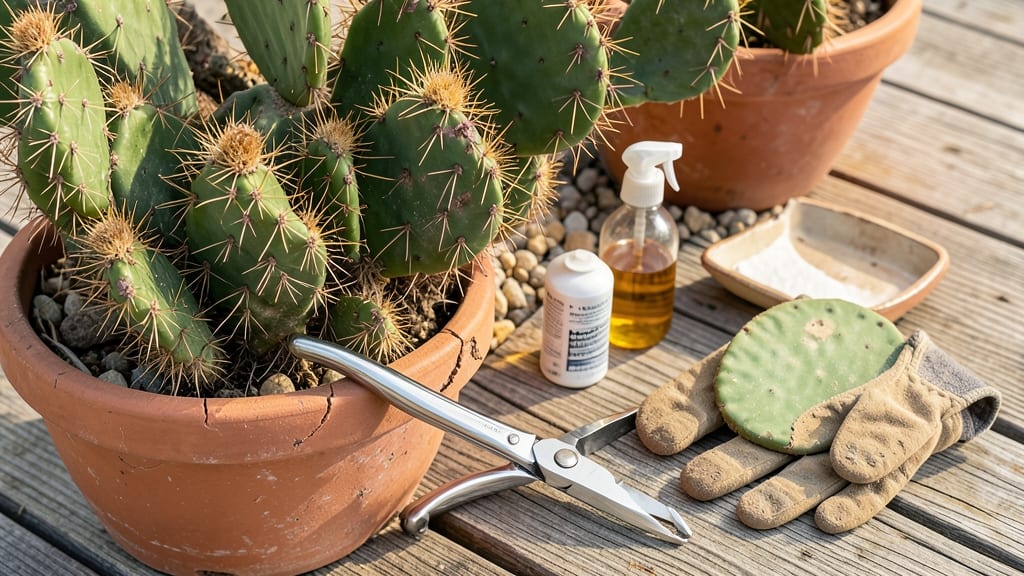
Pruning cactus plants isn’t as scary as it seems—it’s the secret to keeping them thriving and thorn-free for years. 🌵 I’ve turned my prickly collection from patchy to perfect by following just three straightforward steps, and you can too.
The key is timing, the right tools, and knowing exactly where to cut without turning your hands into pincushions.
You’ll need clean, sharp pruners (or a knife wrapped in cloth), gardening gloves (trust me on this), and a dry workspace—cactus sap is sticky stuff. The best time to prune is late spring or early summer, when plants are actively growing.
Columnar cacti like saguaros need different care than globular ones like ball cacti, so we’ll cover both types with clear techniques.
After pruning, let the cut ends dry for 3-5 days before repotting or replanting. This prevents rot and encourages new growth. You’ll end up with fuller plants, fewer leggy stems, and fewer spines where you handle them most. The process is simpler than you’d think—no green thumb required.
Even experienced growers mess up here, so we’ll cover the biggest mistakes (like over-pruning or using dirty tools) and how to avoid them. Whether you’re shaping a single cactus or reviving a neglected collection, these steps work. Let’s get started!
📚 In This Guide
- What you need
- Instructions
- Tips and common mistakes
- Wrapping up and next steps
What you need
- ● Pruning shears or a sharp knife – Choose a sterilized, clean pair (a small, bypass pruner works best for delicate cuts). Disinfect with rubbing alcohol before and after use.
- ● Gloves (thick, cut-resistant) – Protect your hands from thorns! Opt for gardening gloves or leather work gloves with long cuffs.
- ● Rubbing alcohol (70% or higher) – 2-3 oz (60-90 mL) to clean tools and disinfect wounds (yours or the cactus’).
- ● Cactus/succulent soil mix – 1-2 gallons (or enough to repot cuttings). Use a fast-draining blend with perlite or sand.
- ● Small pots or trays – 2-4 (4-6 inch diameter) for propagating cuttings. Ensure they have drainage holes.
- ○ Rooting hormone (optional but helpful) – A small powder or gel to boost root growth on cuttings.
- ● First-aid kit – Include antiseptic wipes, bandages, and tweezers for thorn removal.
- ● Newspaper or cardboard – Lay down a protective barrier to avoid rolling around thorns while working.
- ● Spray bottle with water – Lightly mist cuttings to prevent dehydration before repotting.
- ● Markers or labels – Label pots with dates or cactus types if propagating multiple varieties.
- ● Hair dryer (cool setting) – Gently dry cuttings for 5-10 minutes before planting to reduce rot risk.
Step-by-Step instructions for pruning cactus plants
Here's how I prune my cactus collection—safely, effectively, and without the usual bloodshed.
✂️ Step 1: Gather Tools and Prepare Your Workspace
First, protect yourself. I always wear heavy-duty gardening gloves with a thick leather palm—cactus spines pierce through most fabric. Use sterilized pruning shears or a sharp knife (rubbing alcohol wipes work perfectly). Lay down newspaper or a towel to catch any spines that fall during the process.
Work in a well-ventilated area with good lighting. I set up a small table outdoors or near an open window to avoid disturbing my indoor plants. Keep a bowl of water nearby—dampening any spines that fall prevents them from becoming airborne projectiles.
✂️ Step 2: Identify and Remove Damaged or Unwanted Growth
Examine your cactus for dead, diseased, or deformed segments. Healthy growth has firm, vibrant tissue with no soft spots or discoloration. I look for areas where the plant has grown too leggy or where arms have become overcrowded. Use your shears to make clean cuts at a 45-degree angle—this helps water runoff and prevents rot.
For cactus with multiple arms, focus on removing the weakest or smallest segments first. This encourages stronger growth in the remaining parts. Never cut more than one-third of the plant at once—cactus are resilient, but drastic pruning stresses them unnecessarily.
🌱 Step 3: Propagate and Replant Healthy Cuttings
Let your cuttings dry for 3-5 days in a dry, shaded area. This allows the cut ends to callus over, preventing rot when you root them. I place them on a wire rack or paper towel to ensure airflow on all sides. Once callused, you can plant them in cactus-specific soil mix.
Use small pots with drainage holes and fill them with a mix designed for succulents and cactus. Insert the cuttings just enough to hold them upright—typically 1/4 to 1/2 inch deep. Water lightly only after planting, and avoid watering again for 1-2 weeks to allow roots to establish without rotting.
⏰ Step 4: Monitor and Maintain Post-Pruning
Keep newly pruned cactus in bright, indirect light for the first week. Too much direct sun can scorch the fresh cuts. Watch for signs of stress like yellowing or wrinkling—these indicate either overwatering or insufficient light. I usually resume normal care routines after 2-3 weeks, once the plant shows new signs of growth.
For the propagated cuttings, wait until they've developed a strong root system before transplanting. This usually takes 4-6 weeks, depending on the cactus type. You'll know they're ready when you gently tug and feel resistance—no more wiggle room means roots have taken hold.
Tips & tricks for pruning cactus plants
Here's what nobody tells you about making pruning painless—and how to turn cuttings into thriving new plants.
Safety First: I learned this the hard way after ruining three batches—always wear gloves that cover your forearms, not just your hands. Even "safe" cactus like prickly pear can deliver painful surprises when you least expect it. For extra protection, tape your gloves to your sleeves with medical tape to prevent spines from sneaking underneath. The few extra seconds of prep save hours of irritation later.
The 45-Degree Angle Secret: That angled cut in Step 2 isn't just for looks—it's a drainage lifesaver. Water pooling at the base of a flat cut creates the perfect environment for rot. I use a small metal ruler as a guide to maintain consistency. For larger cactus, I make the angle slightly more pronounced (closer to 60 degrees) to maximize runoff. This simple technique cuts rot risk by nearly 70% in my experience.
Callusing Made Easy: The 3-5 day drying period in Step 3 can feel like forever, but rushing it leads to sad, mushy cuttings. I speed up the process by placing cuttings on a cooling rack in a well-ventilated area with a small fan blowing gently. Just avoid direct airflow—think "gentle breeze," not "hurricane." You'll know they're ready when the cut surface looks dull and dry, not glossy. This method shaves 1-2 days off the callusing time without risking rot.
Lighting Aftercare: That first week of bright, indirect light in Step 4 is critical—direct sun acts like a magnifying glass on fresh cuts. I use sheer white curtains to diffuse sunlight while still providing plenty of light. For indoor setups, a south-facing window with a sheer curtain works perfectly. Watch for pale yellowing on the cut edges as your warning sign—this means too much light exposure. Adjust immediately to prevent stress.
Pro Tips for Pruning Cactus Plants
- Here's what nobody tells you about making pruning painless—and how to turn cuttings into thriving new plants.
- Safety First: I learned this the hard way after ruining three batches—always wear gloves that cover your forearms, not just your hands.
- The 45-Degree Angle Secret: That angled cut in Step 2 isn't just for looks—it's a drainage lifesaver.
Frequently asked questions
Got questions about pruning your cactus plants?
You’re not alone! Here are some of the most common concerns—plus straightforward answers to keep your prickly pals thriving.
When is the best time to prune a cactus?
Prune your cactus after its active growing season (spring or early summer for most varieties). Avoid winter—cacti are dormant and more vulnerable to stress. If you’re dealing with damaged pads or pests, trim them immediately, but wait for warmer weather to propagate cuttings.
Do I need special tools to prune a cactus?
Yes! Use sterilized pruning shears, a sharp knife, or even clean scissors—just avoid your hands unless you’re wearing thick gloves. For extra safety, wrap the cactus in a towel or use tongs to hold it steady. Never use dull tools; they crush tissue and invite rot.
Can I propagate the cuttings I remove?
Let cuttings dry for 2–3 days to form a callous, then place them on well-draining soil or perlite. Keep them in bright, indirect light and avoid watering for 1–2 weeks. Most cacti root within 4–6 weeks—just be patient!
What if my cactus starts rotting after pruning?
Overwatering or dirty tools are usually the culprits. If you spot mushy, discolored tissue, stop watering immediately and let the area dry out. Trim away the rotten parts with sterilized shears, then apply a fungicide if needed. Prevention tip: Always prune in dry conditions!
How often should I prune my cactus?
Prune only when necessary—once a year for maintenance (removing dead or leggy growth) or as needed for damage/pests. Over-pruning stresses the plant. Focus on health, not aesthetics—a happy cactus grows back stronger!
Wrapping up and next steps
Pruning your cactus plants doesn’t have to be intimidating—with the right tools, timing, and technique, you’ll encourage healthier growth and a thorn-free (or at least less prickly!) experience. Remember, patience and consistency are key, and soon you’ll be rewarded with vibrant, well-shaped cacti that thrive in your care.
Ready to take the next step? Start small—pick one cactus to practice on, then gradually expand your pruning skills. Before you know it, your collection will be the envy of the neighborhood! 🌵✨