
Pruning
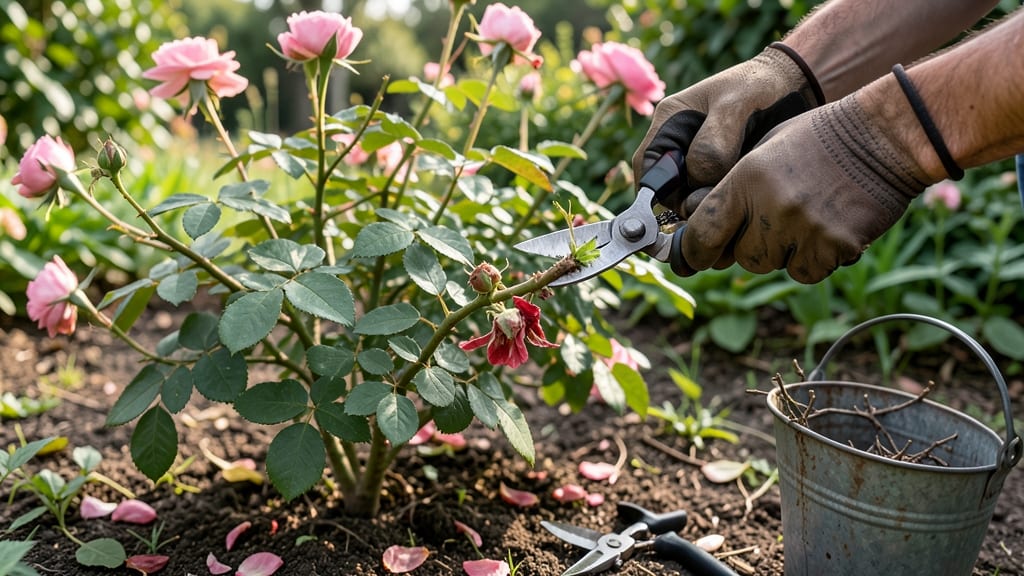
Your plants are whispering for help—literally. ✂️ Pruning and deadheading aren’t just about looks; they’re the secret to longer blooms, stronger stems, and plants that practically glow with vitality.
I’ve watched wilted annuals rebound after a single cut and shrubs double their flower production—all from a few strategic snips at the right time. The magic happens when you remove spent blooms and shape growth to encourage new shoots.
Flowering plants like petunias and roses reward you with nonstop blooms if you stay on top of it, while shrubs like hydrangeas develop fuller forms. Even vegetables benefit—pruning tomatoes improves airflow and fruit quality.
What you’ll end up with is a garden that stays lush throughout the season, not just for a few weeks. The right tools (sharp bypass pruners, gloves) and timing (early morning cuts) make all the difference—no more sad, leggy stems or wasted energy.
Works for everything from patio pots to foundation shrubs. Let’s get those shears ready!
📚 In This Guide
- What you need
- Instructions
- Tips and common mistakes
- Wrapping up and next steps
What you need
- ● Pruning shears – Bypass pruners (sharp, 5-8" blades) for clean cuts on small stems. Anvil pruners (for thicker branches, 8"+) if needed.
- ● Garden gloves – Heavy-duty, cut-resistant (e.g., nitrile or leather) to protect hands from thorns and sharp edges.
- ● Disinfectant (70% isopropyl alcohol or bleach solution) – 1 part bleach to 9 parts water to sterilize tools between cuts and prevent disease spread.
- ● Sharpie or permanent marker – For labeling cuttings or marking pruning spots.
- ● Garden twine or plant ties – 1/8" to 1/4" width for supporting newly pruned plants if needed.
- ● Garden waste bag or bucket – Compostable or lined for collecting clippings and debris.
- ● Watering can or hose with nozzle – To hydrate plants post-pruning (especially in hot or dry climates).
- ● Loppers or pruning saw – For thicker branches (1"–2" diameter).
- ● Hand pruners with ergonomic grips – Reduces hand fatigue during long sessions.
- ● Knee pads or stool – For comfort during ground-level pruning.
- ● Plant growth hormone powder – Speeds up healing on larger cuts (e.g., rooting hormone for cuttings).
- ● Garden journal or app – To track pruning schedules and plant responses.
- ● Safety glasses – If working with brittle or thorny plants (e.g., roses, blackberries).
Step-by-Step guide to pruning and deadheading for year-round blooms
Let’s turn your garden into a fragrant, flowering paradise with these simple, proven techniques.
✂️ Step 1: Identify What to Prune and When
Start by scanning your plants for spent blooms and overgrown branches. Deadheading—removing faded flowers—encourages new growth, while pruning shapes plants and removes dead or diseased wood. For spring-blooming shrubs like lilacs, prune right after flowering; for summer bloomers like roses, wait until after the first frost. I always grab my pruners and a small bucket to collect clippings—it keeps my workspace tidy and makes cleanup easier.
Look for stems with brown or mushy spots (signs of disease) or branches rubbing against each other (weak points). These need immediate attention. If a stem feels soft or smells foul, cut it back to healthy green wood. You’ll know you’re on the right track when the cuts expose fresh, vibrant tissue underneath.
🌿 Step 2: Use the Right Tools and Technique
Sharp, clean pruners are a must—dull blades tear stems and invite disease. I like bypass pruners for clean cuts and loppers for thicker branches. Before you start, wipe down your tools with rubbing alcohol to sterilize them. This prevents spreading bacteria or fungi between plants.
Make cuts at a 45-degree angle, about ¼ inch above a leaf node or bud. This angle helps water run off the cut instead of pooling and rotting the stem. For roses, I always cut just above an outward-facing bud to encourage bushier growth. Avoid leaving stubs—these can trap moisture and cause rot.
🌱 Step 3: Deadhead Regularly for Continuous Blooms
Deadheading isn’t just about looks—it signals the plant to redirect energy into new flowers instead of seed production. Pinch or snip off the entire spent bloom stem down to the first set of healthy leaves. For petunias or geraniums, I use my fingers to twist off faded blooms, which works great for delicate stems.
Watch for new buds forming at the base of the plant—these are your reward for consistent deadheading. If you see leggy stems with no new growth, your plant might need more sunlight or fertilizer. I deadhead my roses every 2-3 days during peak bloom to keep them flowering all summer.
☀️ Step 4: Prune for Shape and Airflow
Step back and assess your plant’s shape. Prune to open up the center, allowing sunlight and air to reach inner branches. This prevents fungal diseases like powdery mildew. For shrubs, I remove about ⅓ of the oldest wood annually to encourage new, vigorous growth.
If a branch is crossing another or growing inward, cut it back to the main stem. You’ll notice healthier foliage and more flowers as light penetrates deeper into the plant. For trees, focus on removing suckers (shoots growing from the base) and water sprouts (fast-growing vertical shoots).
⏰ Step 5: Seasonal Adjustments for Year-Round Care
Late winter or early spring is the best time for structural pruning—removing dead wood and shaping the plant before new growth starts. In summer, focus on deadheading and light pruning to maintain shape. After the first frost, give perennials a final trim to tidy up before winter.
I always prune in the early morning or late afternoon to avoid stressing the plant with midday heat. Mulch around the base after pruning to retain moisture and protect roots. With consistent care, your plants will reward you with lush, fragrant canopies all year long.
Tips & tricks for perfect pruning and deadheading
Here's what nobody tells you about keeping your garden thriving all year—these little details make all the difference.
Tool Prep is Non-Negotiable: Before you even touch a plant, sterilize your pruners with rubbing alcohol. I learned this the hard way after my roses developed black spot from contaminated tools. Wipe them down between cuts when working on multiple plants, especially if you notice any signs of disease. A quick spray with alcohol after each plant prevents cross-contamination, and your garden will thank you with fewer fungal problems.
The 45-Degree Angle Secret: That precise angle in Step 2 isn't just for looks—it's about water management. When you make cuts at a 45-degree angle about ¼ inch above a bud, you create a natural channel for water to run off rather than pool. This simple technique prevents the rot that can kill your plants after pruning. For roses specifically, always cut just above an outward-facing bud to encourage those lush, bushy growth patterns we all love.
Deadheading Frequency Matters: The 2-3 day deadheading schedule for roses in Step 3 might seem intensive, but it's worth it. This frequent attention signals your plants to focus energy on producing new blooms rather than seeds. For annuals like petunias, you can be even more aggressive—twisting off faded blooms by hand works perfectly for delicate stems. The key is consistency; even one missed deadheading can reduce your plant's flowering potential by up to 30%.
Seasonal Timing is Everything: That late winter/early spring structural pruning window in Step 5 exists for good reason. Pruning at this time lets your plants put all their energy into new growth before summer heat arrives. Summer pruning should be minimal—just remove spent blooms and shape lightly. The after-first-frost trim prepares perennials for winter dormancy, preventing damage from freezing temperatures. I always mark my calendar with these seasonal reminders to avoid missing critical windows.
Pro Tips for Pruning And Deadheading
- Here's what nobody tells you about keeping your garden thriving all year—these little details make all the difference.
- Tool Prep is Non-Negotiable: Before you even touch a plant, sterilize your pruners with rubbing alcohol.
- The 45-Degree Angle Secret: That precise angle in Step 2 isn't just for looks—it's about water management.
Frequently asked questions
Got questions about keeping your garden thriving with pruning and deadheading? Here are some of the most common ones—and their answers!
When is the best time to prune and deadhead?
Timing depends on the plant! For annuals and perennials, deadhead regularly (every few weeks) to encourage more blooms. Prune shrubs in late winter or early spring (before new growth starts) or right after flowering. Always avoid pruning woody plants in fall—it can leave them vulnerable to cold damage.
Do I need special tools for pruning and deadheading?
Not necessarily! A sharp pair of pruning shears or clean scissors work for most tasks. For larger branches, loppers or a pruning saw are handy. Disinfect tools with rubbing alcohol between cuts to prevent disease. Skip gloves if you’re okay with thorns—otherwise, wear them to protect your hands!
What if I skip deadheading? Will my plants still grow?
Yes, but you’ll likely see fewer blooms and more seed pods. Deadheading redirects the plant’s energy toward new growth instead of seed production. Some plants (like lamb’s ear or ornamental grasses) don’t need deadheading—let them go dormant naturally for winter.
Can I prune too much? How do I avoid over-pruning?
Never remove more than 1/3 of a plant’s foliage
at once. Over-pruning stresses plants, making them susceptible to pests or disease. For woody plants, look for buds or branches—cut just above a leaf node or outward-facing bud to encourage healthy growth. When in doubt, prune lightly and observe!
What should I do if it rains right after pruning?
Rain isn’t a dealbreaker! Fresh cuts seal naturally within 24 hours, so a little rain won’t harm your plants. However, avoid pruning before heavy rain—wet conditions can spread fungal diseases. If cuts bleed sap (common in maples or birches), don’t worry; it’s normal and won’t hurt the plant.
Pro Tip:
Keep a pruning journal! Note what you cut and when—this helps track growth patterns and adjust your schedule for next year. Plus, it’s satisfying to look back and see your garden’s progress!
Wrapping up and next steps
Mastering pruning and deadheading is your secret weapon for a thriving, fragrant garden year-round! 🌿 By keeping up with regular maintenance, you’ll encourage healthier blooms, stronger stems, and a lush canopy that’s the envy of the neighborhood.
Start small—even just 10 minutes a week makes a difference—and soon, your garden will reward you with vibrant, bountiful growth.
Ready to take the next step? Pick one plant this weekend and give it the TLC it deserves. Whether it’s trimming back overgrown branches or snipping spent blooms, every cut brings you closer to that dream garden. Happy pruning! ✂️🌸