
Pruning
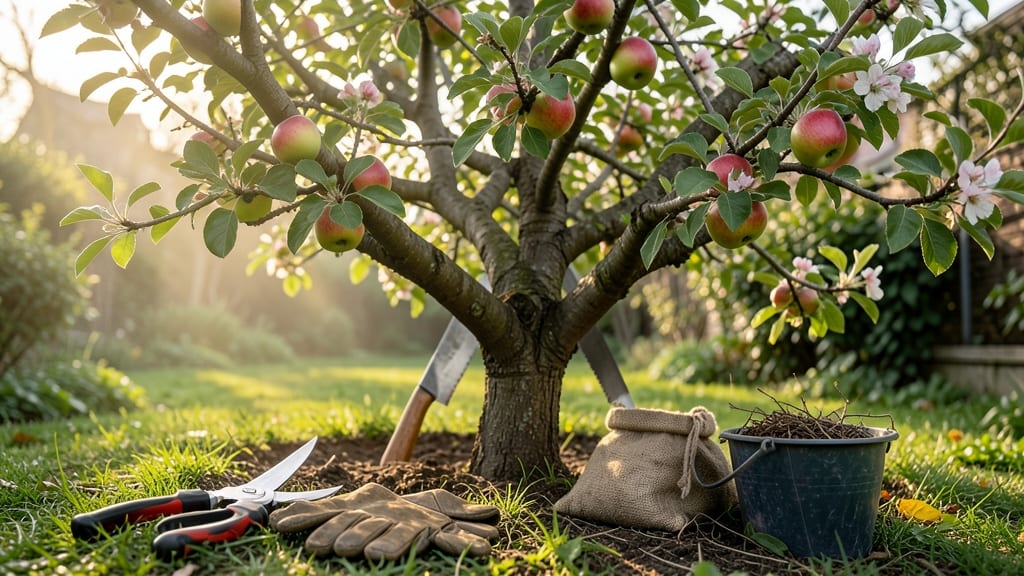
Pruning fruit trees and bushes isn't just about cutting branches—it's about unlocking next year's harvest before the first bloom appears. 🌿 I've spent years watching my apple trees go from tangled messes to open, sunlit canopies that produce bushels of fruit, and the secret is timing and technique.
What you cut now determines what you'll pick in summer.
The right tools and a few simple cuts make all the difference. You'll need sharp pruners, rubbing alcohol for sterilization, and a clear understanding of your plant's growth habit—whether it's an open-center bush or a central leader tree.
Most mistakes come from cutting too much or in the wrong places, but once you learn the basic rules, you'll see healthier wood, better air circulation, and fewer disease problems.
By summer's end, you'll have a tree that looks like it belongs in an orchard, not a backyard. The branches will be spaced just right for sunlight to reach every fruit, and the structure will support weight without breaking.
This isn't just pruning—it's setting up your plants for their most productive season yet.
Works for apples, peaches, citrus, berries, and even grapes—just adjust the timing. Let's get those branches shaped right before winter sets in.
The Science Behind Fruit Thinning
Understanding why fruit trees produce too many fruits—and why pruning is essential—starts with a deep dive into plant biology. When trees bear excessive fruit, they’re often reacting to environmental cues, hormonal imbalances, or structural stress. Here’s why it happens, broken down by the key drivers:
Fruit trees like apples, peaches, and cherries rely on flowering hormones (primarily florigen) to signal fruit development. When conditions are too ideal—think warm winters, ample sunlight, and excess water—trees go into overdrive, producing more flowers than they can sustain.
- Why it matters: Each flower requires energy to develop into a fruit. If a tree flowers heavily but lacks resources (like carbohydrates stored in roots), it defaults to abscission (dropping flowers/fruit) to survive.
This is nature’s way of self-preservation—but it also means smaller, lower-quality harvests. - Actionable insight: If your tree blooms too aggressively, hand-thinning flowers (removing 50-70%) early can redirect energy to fewer, healthier fruits.
Fruit trees are energy budgeters. When they face nutrient deficiencies, drought, or extreme heat, they prioritize survival over fruit production. But here’s the catch: too much of a good thing (like excess nitrogen) can also backfire.
- Nutrient overload: High nitrogen (common in fertilizers) boosts leafy growth but starves roots of the carbohydrates needed for fruit development. The tree responds by aborting weak fruit to conserve energy. - Water stress: Drought forces trees to shed fruit to reduce water demand.
Conversely, overwatering can lead to root suffocation, cutting off nutrient uptake. - Temperature swings: Late frosts or heatwaves after pollination can sterilize flowers or cause fruit drop as the tree “resets.”
Pro tip: 🌡️ Monitor soil moisture and avoid heavy nitrogen in late spring. Instead, use a balanced 10-10-10 fertilizer to support root-fruit balance.
Fruit trees produce two key hormones that dictate fruit retention:
- Auxins (promote fruit growth)
- Ethylene (triggers fruit drop when resources are low)
When a tree bears too many fruits, auxins get diluted across too many developing seeds, weakening the fruit-retaining signal. Meanwhile, ethylene spikes (often from overripe or damaged fruit) accelerate drop.
- The domino effect:
- Crowded fruits compete for sunlight, nutrients, and space.
- Shaded inner fruits produce less chlorophyll, becoming weak and prone to drop.
- Large fruit loads can even break branches under weight (a sign of structural stress).
Data point: Studies show that thinning to 4–6 inches between fruits improves size and quality by 30–50% in apples and peaches.
Unseen threats like fire blight, powdery mildew, or fruit borers can stress trees into dropping fruit prematurely. Even pollinator shortages (e.g., bees failing to cross-pollinate) lead to poor fruit set.
- Common culprits:
- Blossom end rot (calcium deficiency) causes black, mushy spots on fruit.
- Coddling moth larvae burrow into fruit, forcing the tree to abort it early.
- Fungal infections (like brown rot) create toxic environments, prompting fruit shed.
Prevention tip: ✨ Apply copper fungicide (for blight) and pheromone traps (for coddling moths) before flowering to reduce stress triggers.
Young trees (<3 years old) often overproduce flowers but lack the vascular capacity to support heavy fruit loads. Conversely, old trees may thin fruit due to declining root systems.
- Signs of structural limits:
- Sparse foliage (tree can’t support leaves and fruit).
- Dieback (dead branches from poor nutrient flow).
- Small, misshapen fruit (energy diverted to survival, not quality).
Solution: For young trees, prune to open the canopy (🔪 remove suckers and water sprouts) to improve airflow and light penetration.
Fruit thinning isn’t just about more or fewer fruits—it’s about balancing a tree’s energy, hormones, and environment. By addressing these root causes (literally and figuratively), you’ll boost yield, improve quality, and extend your tree’s lifespan. Next up: How to prune strategically to harness these natural processes.
Fixing Overgrown Fruit Canopies
Pruning your fruit trees and shrubs to maintain a healthy canopy isn’t just about aesthetics—it’s a vital practice to ensure strong growth, better fruit production, and long-term plant vitality. Whether your plants are overcrowded, diseased, or simply unruly, these targeted solutions will help you restore balance and productivity.
Below, we’ve mapped common issues to their fixes, along with prevention tips to keep your fruit-bearing plants thriving year-round.
Cause: Too many branches vie for sunlight, nutrients, and space, leading to weak growth and poor fruit quality.
How to Fix It:
- 🔪 Prune Back Competitive Growth
- Identify branches that are rubbing against each other or growing inward. Use sharp, sterilized pruners to make clean cuts just outside the branch collar (the swollen area where the branch meets the trunk).
- Pro Tip: 💡 Aim to remove about 20-25% of the canopy in one session for most fruit trees. For shrubs like blueberries or raspberries, thin out crowded canes to improve airflow.
- 🌿 Thin Out Weak or Crossing Branches
- Remove branches that cross or grow at sharp angles, as they can create wounds prone to disease. Prioritize keeping strong, outward-growing branches that catch sunlight.
- 🍎 Prioritize Fruit-Bearing Wood
- If your goal is fruit production, focus on preserving branches with fruit spurs (small clusters of buds) or last year’s growth, which often bears the most fruit.
Prevention Tips:
- 🌱 Space Plants Properly: Follow spacing guidelines for your fruit variety (e.g., apple trees need 15-20 ft apart, while dwarf varieties can be closer).
- 📅 Prune Regularly: Schedule light pruning sessions in late winter or early spring (before buds swell) to maintain shape and reduce future overcrowding.
Cause: Fungal infections (like powdery mildew or apple scab) or bacterial issues (e.g., fire blight) weaken branches, causing dieback and reducing fruit yield.
How to Fix It:
- 🧴 Clean Up Infected Areas
- Remove all diseased branches, cutting 6-12 inches below the visible damage to ensure the pathogen is eradicated. Dispose of pruned material in a sealed bag (not compost).
- ⚠️ Warning: Sterilize your tools with rubbing alcohol or a 10% bleach solution between cuts to prevent spreading spores.
- 🌡️ Improve Air Circulation
- Thin the canopy to open it up—this reduces humidity and slows fungal spread. Focus on removing dense inner branches first.
- 💊 Apply Fungicides (If Needed)
- For persistent issues, use copper-based fungicides or neem oil during the growing season. Follow label instructions for timing and application.
Prevention Tips:
- 🌧️ Water at the Base: Avoid overhead watering, which can splash spores onto leaves. Use drip irrigation instead.
- 🍂 Clean Up Debris: Remove fallen leaves and fruit mummies (dried, infected fruit) from the ground to eliminate overwintering pathogens.
- 🌿 Choose Resistant Varieties: Opt for fruit trees or shrubs bred for disease resistance in your climate (e.g., ‘Liberty’ apple trees resist fire blight).
Cause: Storm damage, pest infestations, or nutrient deficiencies can leave branches brittle, dead, or struggling to support fruit.
How to Fix It:
- 🔍 Identify the Problem
- Tap branches with your knuckles—hollow or brittle sounds indicate dead wood. Look for peeling bark, oozing sap, or lack of leaves as red flags.
- ✂️ Remove Damaged Wood - Cut dead branches back to live tissue (green under the bark) or to a healthy lateral branch.
For large limbs, use the three-cut method to avoid bark tearing: - First cut: Make an undercut about 1-2 ft from the trunk. - Second cut: Cut through the branch from the top, leaving a small stub. - Third cut: Remove the stub by cutting just outside the branch collar.
- 💪 Fertilize and Support
- After pruning, feed the tree with a balanced fertilizer (e.g., 10-10-10) to encourage new growth. For weak branches, consider staking or tying them to a support if needed.
Prevention Tips:
- 🌪️ Protect from Storms: Prune branches that hang over driveways or walkways to reduce wind damage risk.
- 🐜 Monitor for Pests: Watch for borers or aphids, which can weaken wood. Use beneficial insects or insecticidal soap as needed.
- 🌿 Mulch Properly: Apply 2-4 inches of organic mulch (wood chips, straw) around the base to retain moisture and nutrients.
Cause: Poor pruning habits, uneven sunlight exposure, or vigorous top growth can lead to an unstable or lopsided tree.
How to Fix It:
- 🎯 Reduce Top Weight
- If the canopy is top-heavy, shorten the leader (central stem) by 1/3 to encourage lateral branches. This redistributes weight and improves stability.
- 🌿 Encourage Lower Branches
- Prune back taller branches to open the lower canopy, allowing sunlight to reach the base. This promotes fruit production along the entire tree.
- 🔄 Rebalance the Shape
- Use the "open-center" or "central leader" pruning method depending on your fruit type:
- Apples/Pears: Aim for an open vase shape with branches spaced evenly.
- Citrus/Ornamental: Maintain a rounded, balanced dome.
- Use the "open-center" or "central leader" pruning method depending on your fruit type:
Prevention Tips:
- 📅 Prune in Stages: For large trees, prune in three sessions over winter to avoid shocking the plant.
- 🌱 Train Young Trees: Prune young fruit trees to establish a strong scaffold (main branches) early on.
- 🌞 Rotate Exposure: If your tree is lopsided due to shade, consider relocating nearby structures or pruning to redirect growth toward the sun.
To keep your fruit canopies healthy without constant corrective pruning, follow this seasonal checklist:
| Season | Task | When to Do It |
|---|---|---|
| Late Winter | Structural Pruning – Remove dead wood, thin crowded branches. | Before buds swell (Feb-March). |
| Early Spring | Light Cleanup – Trim water sprouts and suckers. | After last frost. |
| Summer | Corrective Pruning – Address storm damage or disease. | After harvest (avoid peak bloom). |
| Fall | Minimal Pruning – Only remove dead/diseased branches. | After leaf drop (Oct-Nov). |
Final Pro Tip: 🌟 Prune for Light and Airflow—Every cut should serve a purpose. Ask yourself: "Does this branch contribute to fruit production, structure, or health?" If not, it’s time to say goodbye!
Frequently asked questions about pruning fruit trees
When is the best time to prune my fruit trees?
For most fruit trees, late winter or early spring (just before buds swell) is ideal. This timing allows you to see the tree's structure clearly and promotes vigorous new growth. Citrus trees prefer summer pruning after harvest, while berries like raspberries benefit from pruning in late winter or early spring before new canes emerge. Always avoid pruning during active flowering or fruiting seasons.
What tools do I need for pruning fruit trees?
You'll need sharp pruning shears for small branches, loppers for medium-sized limbs, and a pruning saw for thick branches. Don't forget rubbing alcohol or bleach solution to sterilize tools between cuts, and gloves for protection. A pruning pole helps reach high branches safely. Keep all tools clean and sharp for clean cuts.
How much should I prune my fruit tree?
For most fruit trees, remove 20-25% of the canopy during each pruning session. Young trees can handle slightly more aggressive pruning to establish good structure, while mature trees should have minimal cuts. Never remove more than 1/3 of the tree's foliage in one season, as this can stress the plant. Focus on removing dead, diseased, or crossing branches first.
What's the difference between pruning for fruit production vs. pruning for tree health?
Pruning for fruit production focuses on opening the canopy to improve sunlight penetration and air circulation, which enhances fruit quality and yield. This includes removing water sprouts, suckers, and crowded branches that compete with fruit-bearing wood. Health-focused pruning targets diseased, dead, or damaged branches to prevent disease spread and improve overall tree vigor. Both approaches often overlap, but production pruning requires more strategic cuts to maintain the tree's fruiting structure.
Can I prune my fruit tree in summer?
Summer pruning should be minimal and focused on corrective work like removing storm-damaged branches or diseased wood. Avoid heavy pruning during summer as it can stress the tree and reduce next year's fruit production. If you must prune, do so after harvest when the tree has finished fruiting. For citrus trees, summer is actually the preferred time to prune to shape the tree and encourage new growth.