
Pruning
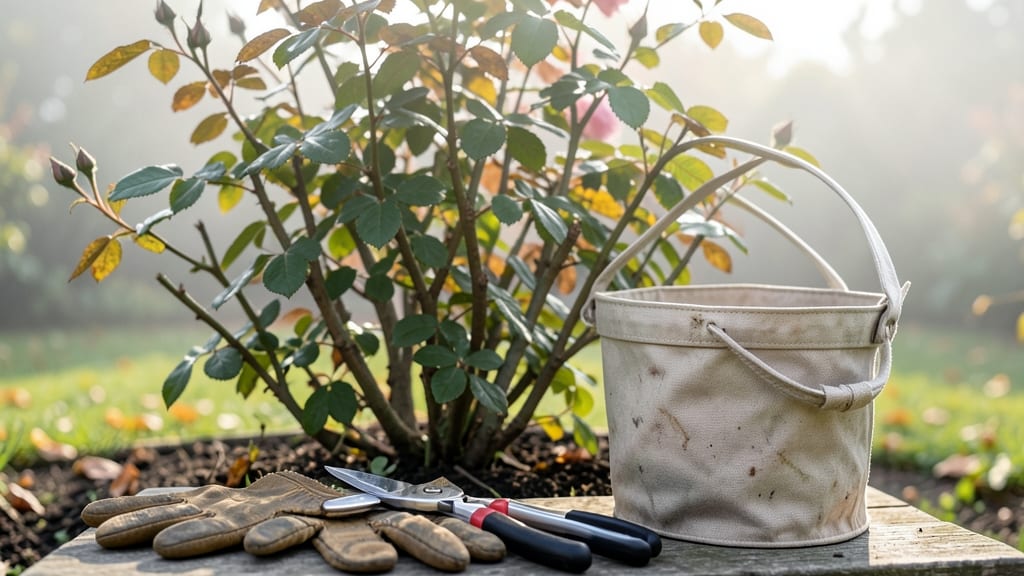
Pruning Knockout roses before winter is the secret to spring blooms that make your neighbors jealous. ✂️ I’ve spent years perfecting this technique—what I once thought was a guessing game now follows a simple, repeatable process that keeps my bushes stronger, fuller, and disease-free every year.
The key is timing: prune 2-3 weeks before your first hard frost, when the plant has entered dormancy but hasn’t yet suffered frost damage. You’ll need sharp pruners, rubbing alcohol (to sterilize cuts), and a clear vision of your plant’s natural shape—no need for fancy tools, just precision.
Over-pruning is the #1 mistake, so we’re cutting back only 1/3 of the oldest canes to encourage new growth.
After pruning, your roses will look like overgrown sticks, but that’s temporary. Within 2-3 weeks of spring’s first warm days, you’ll see fresh green shoots pushing through the mulch, and by June, those same canes will be covered in vibrant pink blooms that last all summer.
The shape stays compact, the plant resists winter diseases, and you avoid the leggy, sparse growth that happens when you prune too late.
Pro tip: Mulch heavily after pruning to protect the roots from freezing temperatures, and avoid pruning on rainy days—wet canes split easily. This method works for Knockout roses in zones 5-9, and the same principles apply to other repeat-blooming roses too. Let’s get those canes looking sharp for spring!
📚 In This Guide
- What you need
- Instructions
- Tips and common mistakes
- Wrapping up and next steps
What you need
- ● Bypass pruners – Sharp, high-quality 5-7" pruners (e.g., Felco or Fiskars) for clean cuts.
- ● Loppers – 8-10" loppers for thicker stems (if your roses are mature).
- ● Hand saw – Pruning saw with a fine-tooth blade for stubborn, thick branches.
- ● Disinfectant – Rubbing alcohol (70%+) or a commercial pruning disinfectant to sterilize tools between cuts.
- ● Garden gloves – Heavy-duty, cut-resistant gloves (e.g., Mechanix or Wolverine) to protect your hands.
- ○ Pruning sealant – Optional but helpful for large cuts (e.g., Tanglefoot Pruning Seal).
- ● Rake or broom – To clear debris from the pruning area.
- ● Garden twine or tags – For labeling pruned branches if needed (e.g., for future reference).
- ● Compost bin or bag – To collect pruned branches for composting (avoid diseased wood).
- ● Weather-appropriate clothing – Long sleeves, pants, and closed-toe shoes for protection.
- ● Water and snacks – Hydration and energy for a longer-than-expected pruning session!
- ● Choose a dry, mild day (avoid frost or rain within 24 hours).
- ● Ensure roses are dormant (after the first hard frost but before extreme cold).
- ● Have a clear plan—review your rose’s growth habit and pruning goals beforehand!
Step-by-step instructions for pruning Knockout roses for winter
Here's how I transform my Knockout roses into strong, disease-free bushes ready to burst into bloom next spring.
✂️ Step 1: Time Your Prune for Late Winter Dormancy
Prune your Knockout roses in late winter, just before new growth begins—typically 6-8 weeks before your last frost date. I wait until we've had at least three days of 40°F or warmer temperatures, which signals the plant is ready for aggressive cuts. You'll know it's time when the buds start swelling slightly along the canes.
Never prune in fall or early winter—this exposes fresh cuts to cold that can't heal, inviting disease. If you missed the window, wait until early spring when buds show green color rather than brown. The key is to prune when the plant is dormant but about to wake up.
🌿 Step 2: Gather Tools and Assess the Bush Structure
Start with clean, sharp pruning shears and a small pruning saw for thicker canes. I also keep rubbing alcohol and a cloth handy to sterilize tools between cuts—this prevents spreading disease from old canes to fresh ones. Examine your rose bush and identify dead, diseased, or crossing branches first; these get removed completely at the base.
Look for canes that are hollow, blackened, or mushy—these are dead and must be cut away. Remove any branches growing inward or rubbing against others, as these create wounds and invite pests. I sketch a quick mental map of the bush's natural shape before making any cuts to maintain that classic Knockout rose form.
✂️ Step 3: Make Clean Cuts at the Right Angles
For each remaining cane, cut back to an outward-facing bud that's about 1/4 inch above the bud's base. Make your cut at a 45-degree angle, slanting away from the bud. This angle prevents water from pooling on the cut surface, which would rot the stem. I always cut just above a bud that faces the outside of the plant to encourage outward growth and better air circulation.
For thicker canes, cut in stages if needed—first make a small notch, then complete the cut to avoid tearing. Leave 3-5 strong canes per bush; Knockout roses bloom on new wood, so you want to maintain a good framework. If you're unsure which canes to keep, choose the ones that are thickest and healthiest-looking.
🌱 Step 4: Remove All Debris and Apply Mulch
Rake up all pruned branches and leaves immediately after cutting—never leave them on the ground. This prevents fungal spores from overwintering and infecting next year's growth. I burn or bag the debris, but you can also compost it if you haven't had any rose diseases in your garden.
Spread a 3-inch layer of organic mulch around the base of the plant, keeping it 6 inches away from the stem to prevent rot. I use shredded bark or straw, which insulates the roots while allowing moisture to penetrate. Water the base thoroughly after mulching to help settle everything in place.
☀️ Step 5: Protect Against Late Winter Thaws
If you're in a region with freezing temperatures below 10°F, consider wrapping the bush with burlap or frost cloth after pruning. I only do this for the first few hard freezes, then remove the protection during the day to let sunlight warm the plant. The goal is to protect the new cuts from extreme cold while still allowing airflow to prevent moisture buildup.
Monitor your roses in early spring for signs of new growth—you'll see tiny green tips emerging from the buds. This is your signal that the winter pruning worked. Avoid fertilizing until you see this new growth, as the plant needs to focus on establishing roots rather than producing flowers.
Tips & tricks for pruning Knockout roses for winter
Here's what nobody tells you about winter pruning that'll make all the difference next spring.
Timing is Everything: The 6-8 week window before your last frost is critical. I learned this the hard way after pruning too early one year—my roses struggled to recover before spring. Check for those slightly swollen buds as your visual cue; they'll look like tiny green beads along the canes. If you're unsure about your frost date, check your local agricultural extension service—they provide precise timing for your region.
Tool Prep Prevents Problems: Sterilizing your pruning tools between cuts is non-negotiable. I keep rubbing alcohol in a small spray bottle and wipe down blades after every 3-5 cuts. This simple step prevents spreading black spot disease from infected canes to healthy ones. Also, make sure your shears are sharp—dull blades crush stems instead of making clean cuts, which stresses the plant.
Bud Direction Matters: When making those 45-degree cuts in Step 3, always aim the cut away from the bud and position it to face outward. This isn't just about looks—it creates the perfect angle for new growth to emerge outward, improving airflow through the bush. I mark the direction with a tiny pencil dot on the cane before cutting to ensure I get it right every time. This small detail makes a huge difference in how full your rose bush becomes next season.
Mulch Like a Pro: That 3-inch layer of organic mulch isn't just for looks—it's insulation for your rose's roots. I use shredded bark because it breaks down slowly, providing nutrients while protecting against temperature swings. Keep it 6 inches away from the stem to prevent rot, and water thoroughly after applying to help it settle. In colder climates, I double the mulch layer for extra protection against freezing temperatures.
Pro Tips for Prune Knockout Roses For Winter
- Here's what nobody tells you about winter pruning that'll make all the difference next spring.
- Timing is Everything: The 6-8 week window before your last frost is critical.
- Tool Prep Prevents Problems: Sterilizing your pruning tools between cuts is non-negotiable.
Frequently asked questions
Got questions about prepping your Knockout Roses for winter? You’re not alone! Here are answers to the most common concerns—so you can prune with confidence and welcome a bloom-tastic spring.
When is the exact best time to prune Knockout Roses for winter?
Prune in late fall or early winter (November–February, depending on your climate). Aim for after the first hard frost but before new growth starts. In warmer zones (Zone 7+), wait until December–January to avoid stimulating early growth that could get nipped by cold. Pro tip: If you’re unsure, prune on a dry, not freezing day for cleaner cuts!
Do I need to prune all the dead wood, or just some?
Knockout Roses are hardy but benefit from selective pruning. Remove:
Yes! Spring pruning works, but with a twist:
Prune when temps are above 40°F (4°C)—dormant but not frozen wood snaps cleanly. If it’s below freezing, wait. Cold weather makes branches brittle, leading to ragged cuts that heal poorly. A quick test: If you can bend a branch slightly without it snapping, it’s safe to prune! Mulch within 1–2 weeks after pruning to:
Leave healthy, thick canes—they’re your plant’s backbone for next year’s blooms! If a branch looks gray and mushy, it’s dead; snip it out.
What if I forget to prune before winter? Can I still do it in spring?
Knockout Roses are forgiving, but winter pruning gives them a head start on spring’s glory. Just avoid heavy pruning in late spring—it can delay blooms!
How cold is too cold to prune Knockout Roses?
Can I mulch right after pruning? What’s the best way?
Use 3–4 inches of organic mulch (straw, shredded leaves, or wood chips), keeping it 2–3 inches away from the stem to prevent rot. In extreme cold zones, add a breathable cover (like burlap) over the bush for extra insulation.
Wrapping up and next steps
Pruning your Knockout roses for winter isn’t just about tidying up—it’s your secret weapon for a burst of vibrant blooms next spring! 🌸 With sharp cuts, the right timing, and a little care, you’ll set the stage for healthier growth and fewer pests.
Remember, confidence comes from preparation, so gather your tools and tackle this task like a pro.
Now that you’re armed with knowledge, take action! Grab your pruners, put on those gloves, and give your roses the winter care they deserve. Before you know it, you’ll be rewarded with lush, fragrant blooms that’ll make your garden the talk of the neighborhood. Happy pruning! ✂️🌿