
Pruning
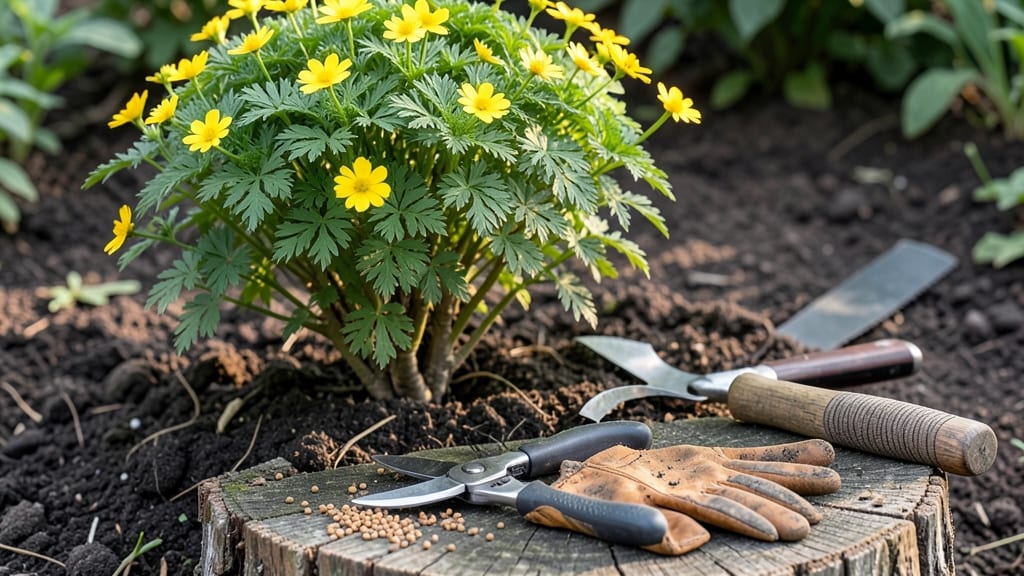
Late-winter potentilla shrub pruning unlocks a summer of vibrant blooms and dense foliage—if you time it right. 🌿 I’ve pruned these shrubs for years, and the difference between a ragged, sparse plant and one that looks like it just came from a nursery comes down to three sharp cuts in the right season.
Most gardeners wait too late, missing the prime window when the plant’s energy shifts from dormancy to growth.
The secret isn’t complicated: prune in late winter or early spring, just as buds begin to swell but before new growth starts. You’ll need clean, sharp pruners, a pair of gloves (those thorns don’t play nice), and a clear day to see the structure.
Cut back one-third of the oldest stems to the ground, shape the remaining branches, and remove any dead or crossing wood. Think of it as giving your shrub a fresh haircut—less is more, and you’ll reward yourself with nonstop blooms from June to frost.
What you’ll end up with is a lush, fragrant canopy that fills your garden with golden-yellow flowers and a sweet, honey-like scent. The plant stays compact, resists disease better, and produces more blooms per stem than an unpruned shrub.
Plus, the foliage stays dense all season, providing that classic potentilla texture that gardeners love.
Works for both five-petal and double-flowered varieties, and the same method applies whether your shrub is a 3-foot dwarf or a 6-foot border plant.
Just adjust the pruning intensity based on size—bigger shrubs can handle a little more aggressive shaping. Here’s how to do it without a single mistake.
📚 In This Guide
- What you need
- Instructions
- Tips and common mistakes
- Wrapping up and next steps
What you need
- ● Bypass pruning shears – Sharp, clean shears (5–7 inches) for cutting stems up to ½ inch thick.
- ● Loppers – For thicker branches (½–1½ inches), with a 12–16-inch reach.
- ● Pruning saw – A fine-tooth saw for stubborn, woody stems (18+ inches thick).
- ● Gloves – Heavy-duty, cut-resistant gloves (gardening or pruning-specific) to protect your hands.
- ○ Disinfectant (optional but recommended) – 70% isopropyl alcohol or a pruning sealant to sterilize tools between cuts and prevent disease.
- ● Pruning shears with a bypass blade – For precision cuts on smaller stems.
- ● Extension pole saw – If your shrub is tall (6+ feet), a 3–5-foot pole saw saves time and effort.
- ● Garden kneeler or stool – For comfort if you’re working close to the ground.
- ● Heavy-duty trash bags – To collect pruned branches and debris easily.
- ● Marking twine or flags – If you’re shaping the shrub, use twine to outline cuts before pruning.
- ● Dry, calm weather – Prune on a day with no rain forecast for 24–48 hours to avoid fungal issues.
- ● Clear workspace – Remove weeds, rocks, or debris around the shrub for easy access.
- ● Safety first! – Wear long sleeves and closed-toe shoes to avoid scratches or thorns.
Step-by-step instructions for pruning potentilla shrubs
Revive your potentilla with this precise late-winter pruning method that boosts blooms and airflow.
✂️ Step 1: Remove Dead and Damaged Wood
Start by inspecting each branch for signs of winter damage—look for brown, brittle stems or those with no green tissue when you scrape the bark. These are dead and should be cut back to the nearest healthy bud or main stem. I use sharp bypass pruners to make clean cuts at a 45-degree angle, about ¼ inch above the bud.
Don't worry about being too aggressive here—potentillas are resilient. You'll know you're on the right track when you see green stems with buds beneath the damaged sections. Remove any crossing branches too; they compete for energy and create dense, disease-prone centers.
✂️ Step 2: Thin the Canopy for Airflow and Light
Potentillas thrive when they get good air circulation, so aim to remove 20-30% of the oldest, thickest branches to open up the center. Start by identifying the 3-5 strongest, most vigorous stems—these will form the new framework. Cut back any branches that are thinner than a pencil or growing inward.
Make your cuts just outside the bud facing outward—this encourages new growth to fill the gaps. If a branch is too thick to cut with hand pruners, use a pruning saw. You'll see the difference immediately: the shrub will look less crowded and more balanced.
✂️ Step 3: Shape for Compact, Bushy Growth
Now it's time to refine the shape. Potentillas respond well to a rounded, slightly dome-like form, so trim back any branches that are growing too upright or sprawling. Cut just above a leaf bud or lateral shoot to encourage branching. Avoid cutting into old wood—look for green or light brown stems with visible buds.
For a more formal look, you can also trim the outer edges to create clean lines. I like to step back every few cuts to check the overall shape. The goal is to create a balanced silhouette that allows light to penetrate all the way to the center.
✂️ Step 4: Clean Up and Apply Protective Measures
After pruning, remove all debris from the base of the shrub and surrounding area. This prevents fungal diseases from taking hold. I also like to apply a 2-3 inch layer of mulch around the base, keeping it 2-3 inches away from the trunk to prevent rot.
If your potentilla is particularly large or overgrown, consider dividing it now while the ground is still workable. Dig up the shrub, separate the sections, and replant the strongest divisions. Water thoroughly after pruning to help the plant recover and reduce transplant shock.
Tips & tricks for perfect potentilla shrub pruning
Late-winter pruning transforms your potentilla into a vibrant, healthy specimen—here's how to avoid common pitfalls and elevate your results.
Tool Selection: Sharp bypass pruners are essential for clean cuts that heal properly. I've ruined too many branches with dull shears—take 5 minutes to sharpen your tools before starting. For branches thicker than a pencil, a pruning saw prevents tearing, which can introduce disease. Always clean your tools with rubbing alcohol between cuts to prevent spreading pathogens.
Timing is Everything: Late winter (just before buds swell but before new growth begins) is ideal for potentillas. This timing lets you see the plant's structure clearly while avoiding stress to emerging buds. If you missed the window, early spring works too, but avoid pruning after buds break—you'll cut off potential blooms. The goal is to prune when the plant is dormant but not yet active.
Visual Cues for Healthy Growth: In Step 1, when you're cutting back dead wood, look for the transition point where brown meets green. The green stem with buds is your target—this is where new growth will emerge. For shaping in Step 3, imagine a rounded dome; any branches growing straight up or outward should be trimmed to maintain that balanced silhouette. Think of it like sculpting—you're shaping the plant's future form.
Mulching Matters: After pruning, that 2-3 inch layer of mulch isn't just decorative—it's protective. Organic mulch like shredded bark regulates soil temperature, retains moisture, and slowly decomposes to feed the roots. Keep it 2-3 inches away from the trunk to prevent rot, and avoid piling it against the base where it can trap moisture. This simple step can make the difference between a thriving shrub and one struggling with stress.
Pro Tips for Potentilla Shrub Pruning
- Late-winter pruning transforms your potentilla into a vibrant, healthy specimen—here's how to avoid common pitfalls and elevate your results.
- Tool Selection: Sharp bypass pruners are essential for clean cuts that heal properly.
- Timing is Everything: Late winter (just before buds swell but before new growth begins) is ideal for potentillas.
Frequently asked questions
Got questions about pruning your potentilla shrub? You’re not alone—even experienced gardeners need a little guidance to keep these beauties thriving! Below, we’ve rounded up the most common queries to help you prune with confidence.
When is the best time to prune potentilla shrubs?
Late winter (just before new growth starts) is ideal for hard pruning—this encourages vigorous spring blooms. For light shaping or deadheading, prune after flowering in early summer. Avoid pruning in fall, as it can stimulate tender growth vulnerable to frost damage.
How much can I cut back a potentilla shrub?
Potentillas are tough! You can renewal-prune up to one-third of the oldest stems each year to rejuvenate the shrub. For severely overgrown shrubs, cut back half the stems to 6–12 inches above the ground. Just avoid over-pruning—these shrubs bounce back, but not from drastic cuts.
What if my potentilla isn’t blooming after pruning?
If blooms are sparse, check these fixes:
- Light: Potentillas need full sun (6+ hours)—move to a sunnier spot if needed.
- Fertilizer: Apply a balanced, slow-release fertilizer in early spring.
- Watering: Drought stress reduces blooms—keep soil consistently moist but not soggy.
- Age: Older shrubs may need a hard renewal prune every few years.
Can I prune potentilla shrubs in fall?
Avoid fall pruning unless removing dead or diseased wood—new growth won’t harden off before winter. If you must prune, do it 6–8 weeks before frost and remove all pruned material to prevent fungal spread. Late fall cuts can leave stems vulnerable to winter dieback.
Do I need special tools to prune potentilla?
Not necessarily! A sharp pair of bypass pruners or loppers works for most jobs. For thicker stems (over 1-inch diameter), use pruning saws to avoid tearing. Sterilize tools with rubbing alcohol between cuts to prevent disease spread—potentillas are prone to powdery mildew!
Wrapping up and next steps
Pruning your potentilla shrub in late winter isn’t just a chore—it’s your secret to a vibrant, fragrant, and healthy canopy all season long! 🌿 By following the right timing, tools, and techniques, you’ll encourage lush blooms and strong growth while keeping pests at bay.
Whether you’re a pruning pro or a beginner, these steps make the process simple and rewarding.
Now that you’re armed with knowledge, grab your pruners and get started! For extra confidence, watch a quick video tutorial or join a local gardening group to share tips. Your potentilla will thank you with stunning flowers and a thriving shape—happy pruning! ✂️🌸