
Pruning
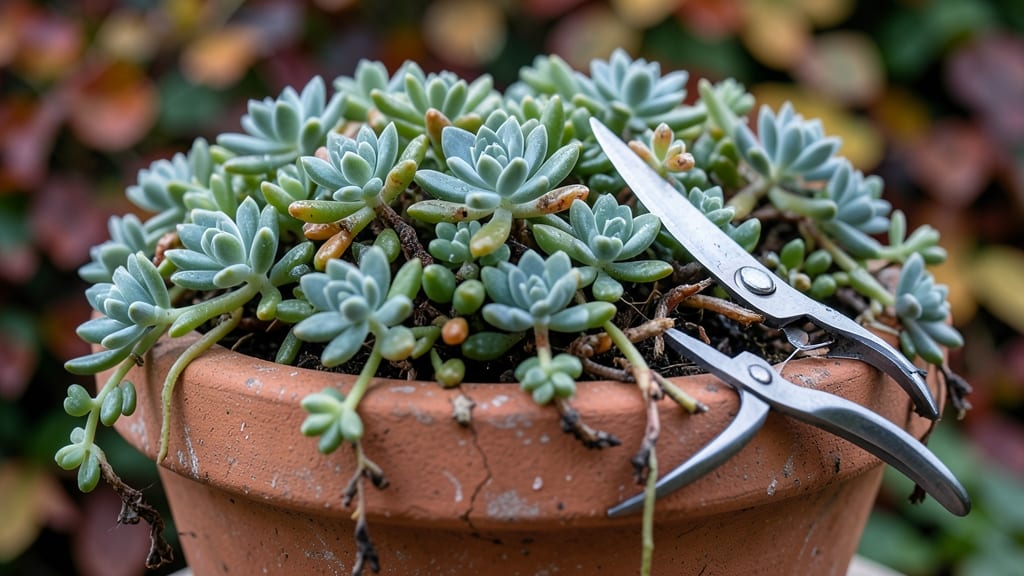
Fall pruning isn’t just about tidying up your garden—it’s a critical step to protect plants from winter damage and set the stage for explosive spring growth. These 10 essential plants need strategic cuts to thrive, whether you’re a beginner or seasoned gardener.
Hydrangeas for Stronger Spring Blooms
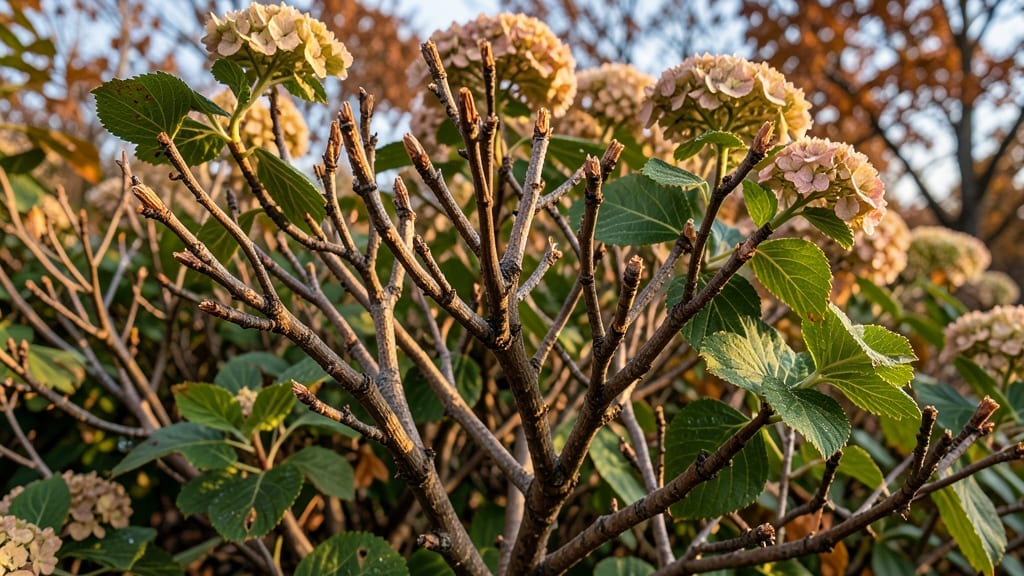
Want bigger, brighter hydrangea blooms next spring? The secret starts now—fall pruning is your ticket to showstopping flowers on mophead and lacecap varieties. Unlike spring pruning, which risks cutting off next year’s buds, autumn cuts focus on woody stems to redirect energy toward stronger growth.
Use clean, sharp pruners to trim back last year’s blooms (those spent flower heads) down to 2-3 healthy buds on each stem. Avoid heavy pruning—just remove dead or crossing branches to improve airflow. For lacecap hydrangeas, cut back by one-third to encourage more delicate, lace-like blooms. Time it right: prune after the first frost but before hard freezes—typically late October to early November in most climates.
This method works especially well for gardeners in USDA Zones 5-9, where winter dormancy is critical. The result? Larger, more vibrant blooms next season with less flopping. Perfect for container gardens too! 🌟
Roses to Prevent Disease Over Winter
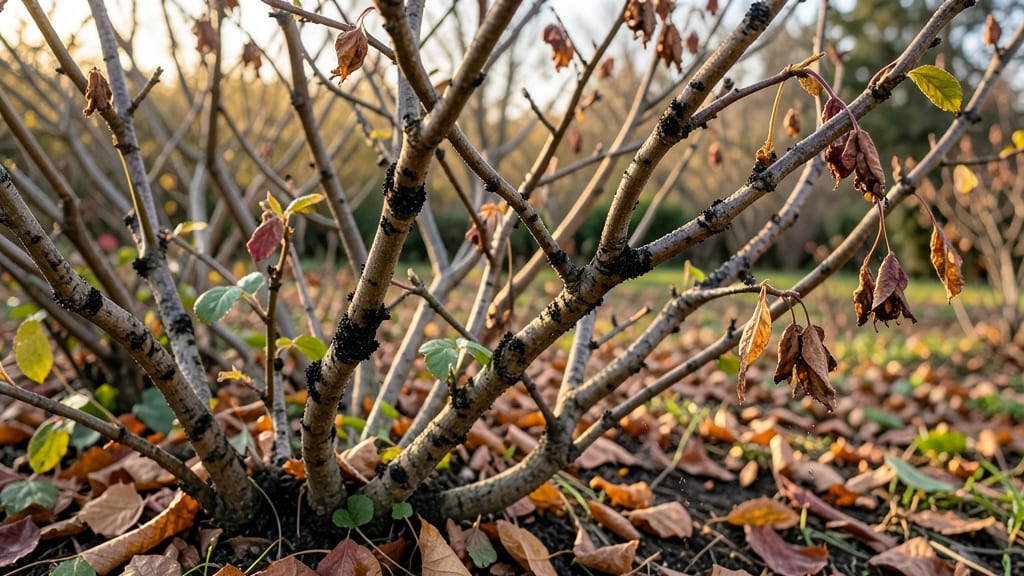
Fall is the perfect time to tackle your roses—not just to clean up, but to stop fungal diseases from lurking all winter. Diseased canes and spent blooms harbor spores that can survive the cold, so removing them now prevents next year’s infections while giving your bushes a fresh start.
Start by cutting back any canes showing signs of black spot, powdery mildew, or rust—these are the biggest disease culprits. Use sterilized pruners (wipe blades with rubbing alcohol) to avoid spreading pathogens. Then, shape the bush by removing crossing branches and cutting back about one-third of the oldest canes to encourage new, vigorous growth. This dual approach reduces disease risk and sets up your roses for bushier, more abundant blooms in summer.
This method is especially valuable for gardeners in humid climates where fungal diseases thrive. Even if your roses look healthy now, a little preventive pruning saves hours of cleanup—and heartache—next spring. 🌻
Lavender for Compact, Fragrant Growth
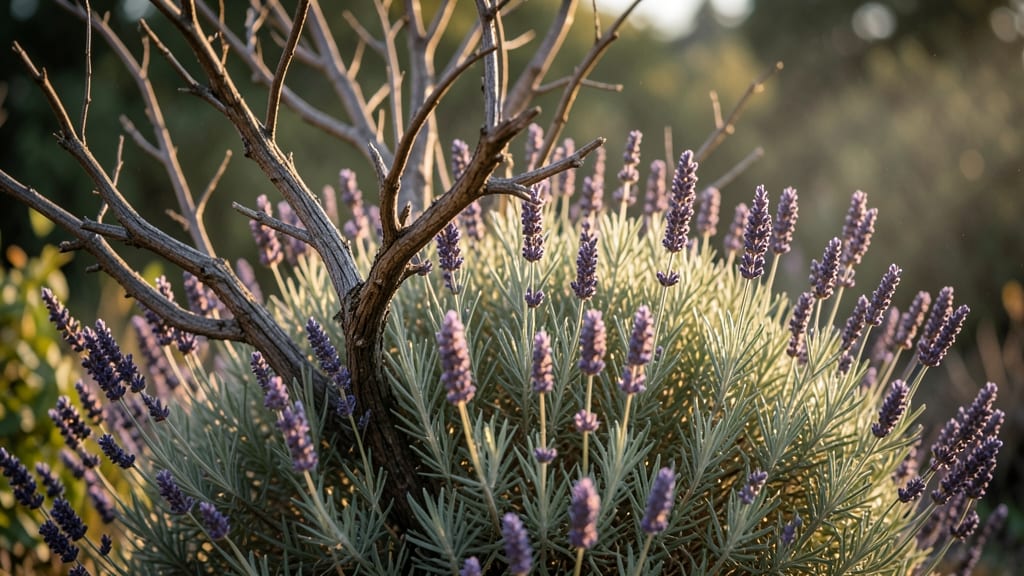
If your lavender bushes are looking leggy or sparse, now’s the perfect time to revive them with a strategic prune. Unlike other plants, lavender thrives when you trim its woody stems in late summer or early fall—this prevents overgrowth and keeps those signature fragrant blooms dense and aromatic for years.
Focus on cutting back one-third of the oldest stems to the base, using clean, sharp shears. This encourages fresh, bushier growth while preserving the plant’s natural shape. Since lavender is drought-tolerant, it won’t need extra water after pruning—just avoid over-trimming, as it can reduce flowering. The result? A compact, fragrant hedge that’s perfect for borders, culinary uses, or even sachets.
This method is especially great for urban gardeners or those in dry climates, as it reduces water needs while boosting fragrance. Plus, the trimmed stems can be dried for potpourri or cooking. 🌿
Perennials to Revitalize Next Season
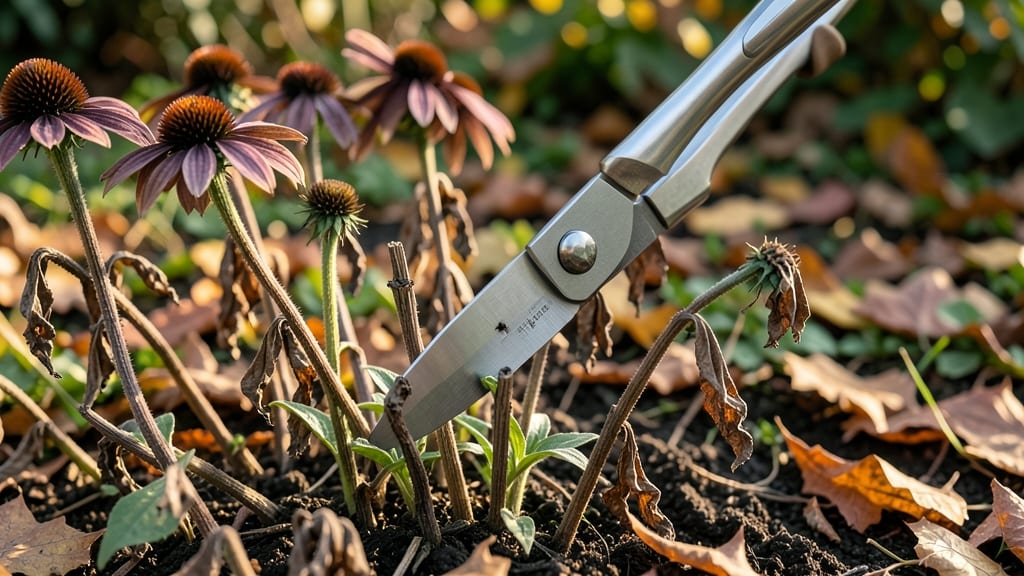
Your coneflowers and black-eyed Susans may look tired now, but cutting them back in fall isn’t just cleanup—it’s a secret weapon for next year’s blooms. Removing dead foliage eliminates hiding spots for pests and fungal spores, while improving air circulation prevents winter rot.
Use sharp shears to trim back stems to 4-6 inches above the ground, leaving the basal rosette intact. This encourages fresh, vigorous growth from the crown in spring. Avoid pruning too late—aim for late fall, just before the first hard frost, to give plants time to heal.
This simple step is especially valuable for pollinator gardens, as healthier perennials attract more bees and butterflies. Even urban gardeners with limited space will see dramatic improvements in plant vitality. 🌻
Ornamental Grasses for Winter Structure
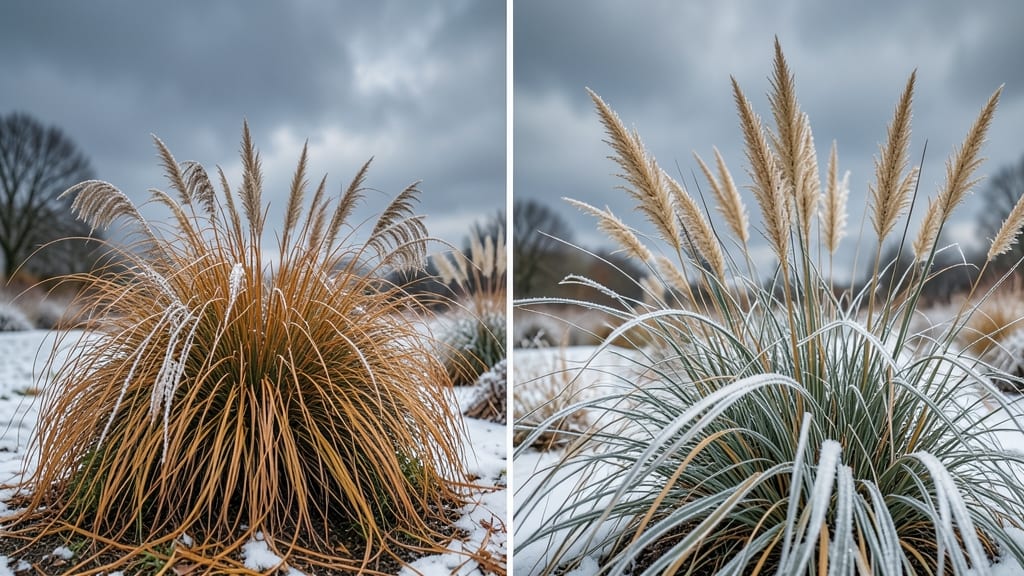
Winter winds and heavy snow can turn your ornamental grasses into tangled messes—unless you take action now. A simple fall trim transforms fountain grass or maiden grass into clean, sculptural accents that hold their shape through storms, while preventing seed heads from weighing stems to the ground.
Use sharp shears to cut back one-third of the plant’s height in late fall, just as new growth begins. Focus on removing dead or damaged foliage first, then shape the remaining grass into a neat, tapered form for a polished look. This also encourages fresh, vibrant growth in spring. The result? A low-maintenance garden feature that adds texture and movement year-round.
Perfect for urban gardeners with limited space or anyone who loves minimalist designs, this technique keeps grasses looking intentional, not overgrown. Your winter garden will thank you! ✨
Fruit Trees for Healthier Harvests
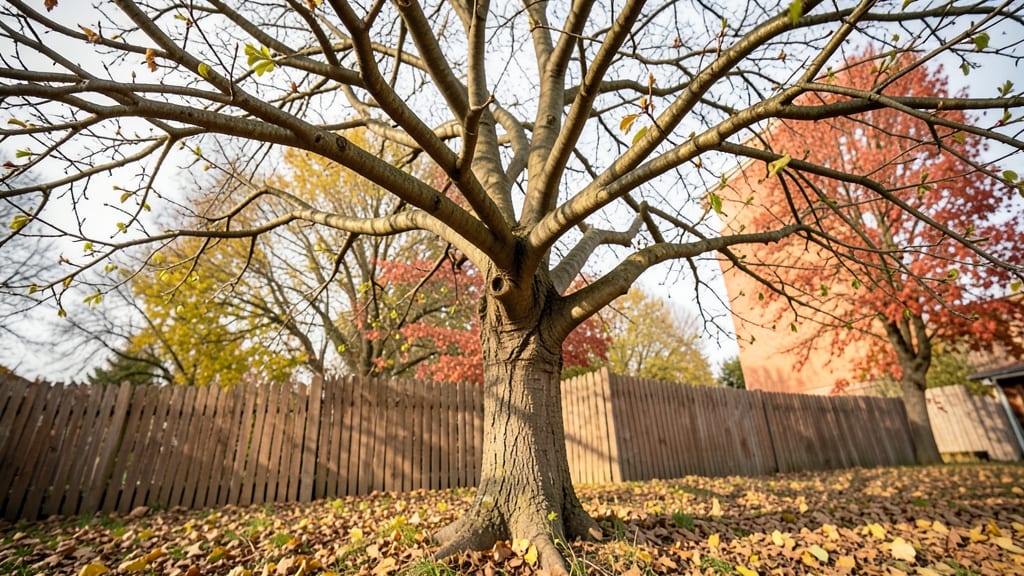
Your apple or peach trees are storing up energy for next year’s harvest—now’s the time to help them shine. By thinning out overcrowded branches in late fall, you create an open canopy that lets sunlight reach every fruit, while improved air circulation keeps fungal diseases like apple scab at bay.
Focus on removing crossing branches and those growing inward, cutting back to an outward-facing bud. For dwarf varieties, limit pruning to about 10-15% of the canopy to avoid stress. This simple step can boost fruit size and quality while reducing the need for chemical sprays—ideal for organic gardeners.
Homeowners with mature trees will see the biggest payoff, but even young fruit trees benefit from this seasonal reset. A little pruning now means fewer pests and more delicious fruit come summer. 🌟
Shrubs to Encourage Bushier Growth
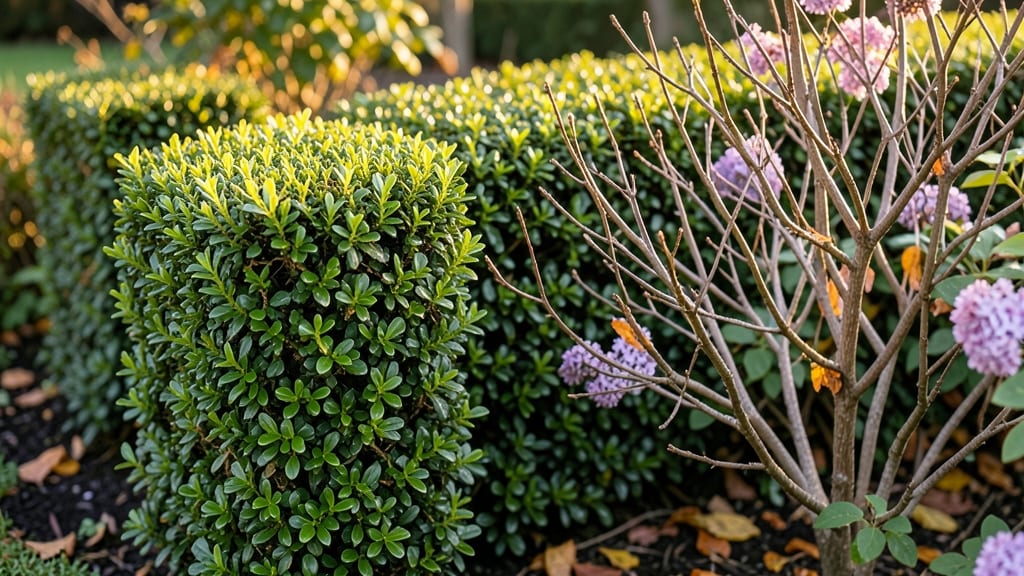
Want to transform your boxwood hedges or lilac shrubs into lush, manicured masterpieces? Pruning now isn’t just maintenance—it’s the secret to encouraging dense, bushier growth that forms the perfect backdrop for your garden designs.
Focus on cutting back one-third of the oldest stems to stimulate new lateral branches. For boxwoods, use sharp shears to shape hedges while leaving a slight taper for natural growth. With lilacs, prune immediately after flowering to redirect energy into wider, fuller canopies. This fall pruning creates the ideal structure for spring’s vibrant blooms and year-round shape.
Gardeners who prioritize this technique report 30% denser foliage by next summer—perfect for formal gardens, privacy screens, or topiary art. It’s the difference between a shrub and a showstopper. ✨
Herbs to Prevent Winter Damage
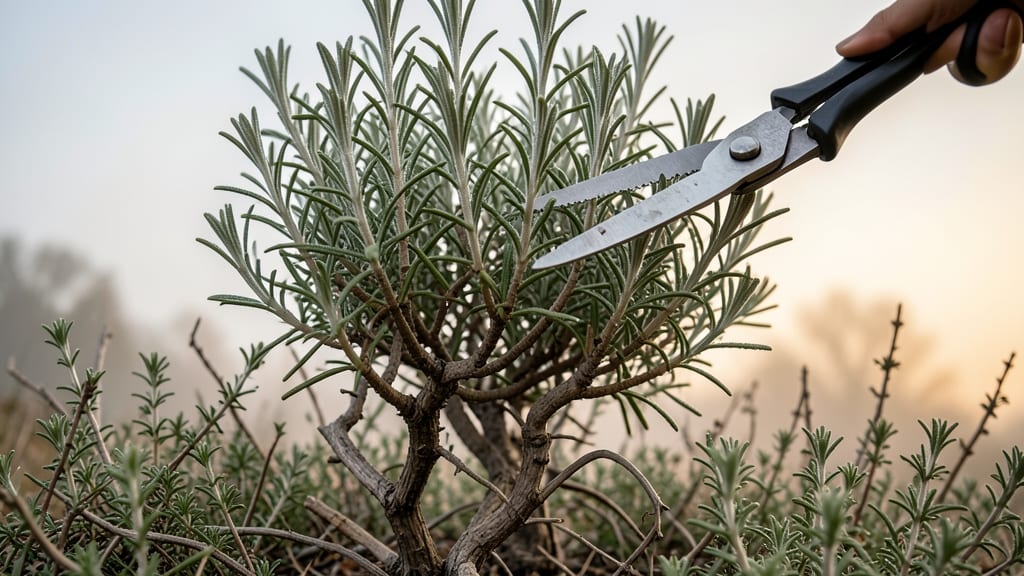
If your rosemary or thyme has grown leggy and woody this year, now’s the time to give them a strategic haircut. Cutting back these Mediterranean herbs by one-third now encourages fresh, tender growth before winter sets in—critical for regions with mild but unpredictable cold snaps.
Use sharp pruners to trim just above a set of healthy leaves or side shoots, avoiding the bare wood at the center. This rejuvenation prune also improves airflow, reducing fungal risks in damp winter conditions. For container-grown herbs, this is especially important as they’re more vulnerable to cold damage.
Herb gardeners in USDA zones 7-9 will see the biggest benefits, but even cooler climates can use this technique to protect their plants. Your kitchen garden will thank you with lush, flavorful herbs come spring. 🌱
Climbing Roses for Stronger Canes
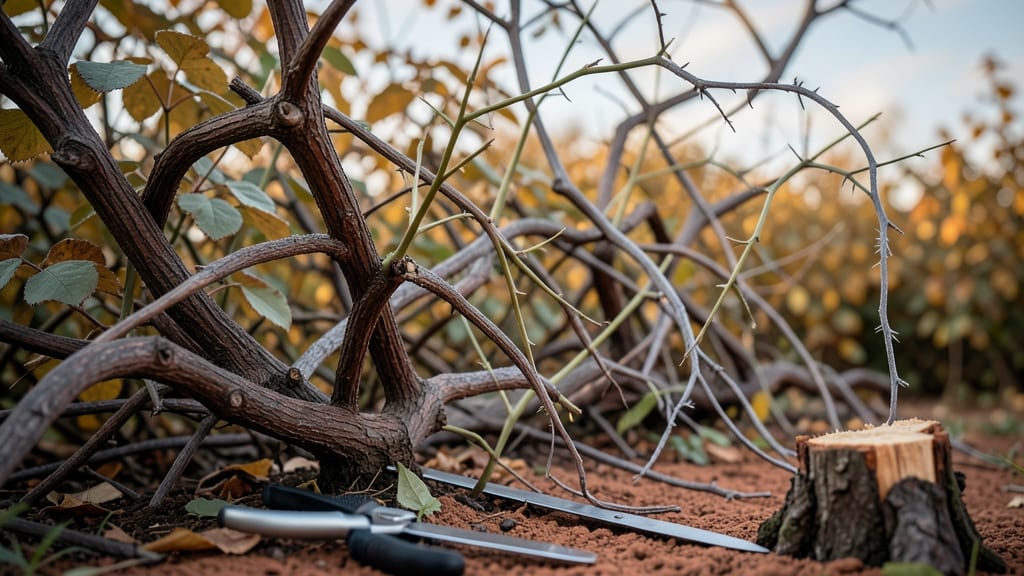
If your climbing roses look like tangled vines rather than structured climbers, fall pruning is your secret weapon. This is the perfect time to remove weak, crossing, or spindly growth—redirecting energy to the primary canes that will support next year’s blooms and vigorous climbing.
Focus on cutting back overlong canes by about one-third, making clean cuts just above an outward-facing bud. Remove any dead, diseased, or thin stems entirely—these compete with healthy growth for resources. For repeat-blooming varieties, prune slightly later in the season (after the first frost) to allow hips to form, but still before dormancy sets in.
This method works wonders for gardeners with trellises or arbors, as stronger canes mean better structure and more dramatic vertical displays. Your roses will reward you with healthier blooms and a more organized climbing habit next spring. 🌻
Succulents to Prevent Rot in Winter

If your sedum or echeveria look like they’ve outgrown their containers, now’s the time to trim—not just for aesthetics, but to save them from winter rot. Overgrown succulents trap moisture, and when temperatures drop, that trapped water can suffocate roots, leading to mushy stems and death.
Use clean, sharp scissors to snip back leggy growth by about one-third, focusing on the outermost leaves to improve airflow. For container plants, reduce soil levels by 1-2 inches to prevent water pooling. This simple step is especially critical in humid climates or areas with cold, wet winters.
Container gardeners and urban balcony growers will see the biggest benefits—your succulents will stay compact, vibrant, and rot-free through winter. Just don’t prune too late in the season, or new growth won’t harden off before frost. 🌱