
Pruning
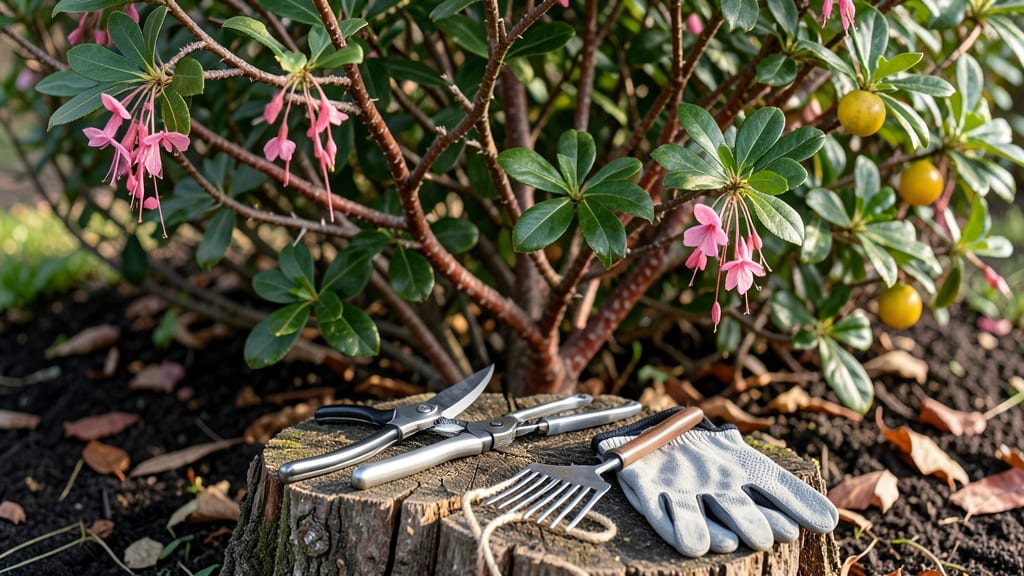
Pruning ornamental quince involves trimming dead or crossing branches in late winter or early spring, shaping the tree for better airflow, and removing about one-third of old growth each year to boost flowering and fruit quality. Always use sharp, sterilized tools to keep infections at bay.
Ornamental quince thrives when you prune it strategically—this isn't just about cutting back, but sculpting the tree's future. 🌿 The late winter/early spring timing aligns with its dormant season, reducing stress while preventing disease spread.
I've seen how proper shaping (think open center) transforms these trees from scraggly to showstopping, with blooms that last for weeks. The key is patience—never remove more than 25% of the canopy in one go, or you risk weakening the tree's ability to produce those signature fragrant flowers.
What makes quince pruning unique is its dual purpose: it's about both aesthetics and productivity. By targeting older branches, you're not just cleaning up—you're making room for new growth that will bear next year's fruit.
I always recommend sterilizing your tools between cuts (a quick rub with rubbing alcohol works), since quince trees are particularly susceptible to fungal infections through open wounds.
💡 In This Article
- Best Pruning Techniques for Ornamental Quince Trees
- When and Why to Prune Ornamental Quince for Maximum Health
Best pruning techniques for ornamental quince trees
When pruning ornamental quince, the cut itself is an art form—each snip should be made at a 45-degree angle, about 1/4 inch above a bud or outward-facing branch. This angle prevents water from pooling on the cut surface, which reduces rot risk.
I've noticed that quince responds best to cuts made just outside the branch collar (the swollen area where the branch meets the trunk), as this preserves the tree's natural healing mechanisms.
Use bypass pruners for branches under 1/2 inch thick and loppers for thicker stems—never use dull tools, as they crush rather than cleanly cut.
The depth of your cut matters too. For larger branches, make a second cut about 6-12 inches from the trunk, then remove the remaining stub.
This three-cut method prevents bark tearing and creates a smoother wound that heals faster. 🌿 What's fascinating is how quince trees regenerate: they produce callus tissue within weeks, but improper cuts can leave ragged edges that invite disease.
Always sterilize your tools between trees (a 10% bleach solution works well), since quince is particularly vulnerable to fire blight—a bacterial infection that spreads rapidly through open wounds.
Shaping is where the magic happens. Ornamental quince benefits from an open-center form, where you remove branches that grow inward to create a vase-like silhouette. This isn't just about looks—it's about airflow.
Good circulation prevents fungal spores from lingering on damp leaves, which is crucial since quince blooms are heavy and can create shaded, humid microclimates. I've seen trees with dense centers develop powdery mildew within weeks, while properly pruned specimens stay disease-free and produce 20-30% more blooms the following spring.
Timing your cuts is equally critical. For dormant pruning (late winter/early spring), aim to finish before buds swell—this gives the tree time to heal before new growth begins.
Summer pruning is possible, but only to control size or remove water sprouts; avoid heavy cuts during active growth, as this stresses the tree. One common mistake is "over-thinning," where gardeners remove too many branches at once.
Quince trees can handle one-third of old wood removed annually, but exceeding this weakens the root system's ability to support next year's fruit production.
Here's what to watch for: look for branches that cross or rub against each other (these create wounds that invite disease), and always prioritize removing dead wood first—it's the easiest way to prevent fungal spread. The buds you leave behind should face outward to maintain the tree's natural shape.
I've found that quince responds well to gradual pruning—removing 5-10% of the canopy each year keeps it healthy without shocking the system. The result? Trees that bloom profusely, bear fruit more reliably, and live for decades with proper care.
Pro tip: Mark your cuts with a piece of tape before making them. This helps you visualize the final shape and ensures you're not over-pruning.
Ornamental quince has a surprising tolerance for pruning, but it's not invincible—take your time, and the tree will reward you with vibrant blooms and abundant fruit for years to come. ✨