Pruning
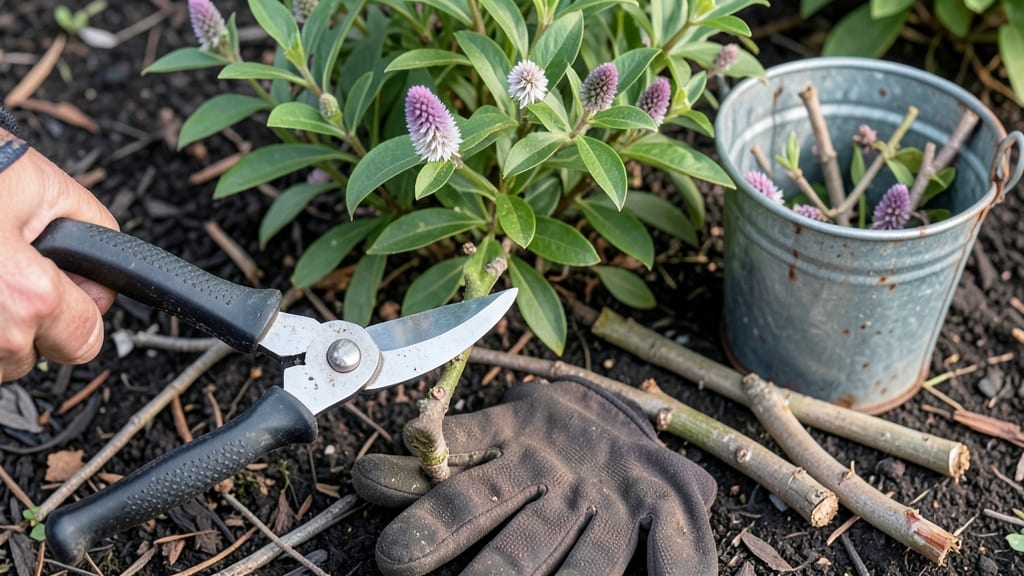
Pruning miniature buddleia in late winter unlocks a summer of nonstop blooms. 🌸 I’ve watched these compact powerhouses go from leggy and sparse to bursting with color—all because of a few sharp cuts at the right time.
The secret isn’t complicated: timing, technique, and a little patience transform what looks like dead wood into a flourishing fountain of flowers.
You’ll need just three tools: sharp bypass pruners, gloves (to avoid those thorny surprises), and a bucket for clippings. The best time to prune is right after your last frost, when new growth is about to burst from the buds.
This isn’t about harsh cuts—it’s about encouraging your plant to focus energy on longer, fuller stems and more abundant blooms.
Start by removing any dead or crossing branches first. Then, cut back one-third of the oldest stems to the base—this opens up the center for airflow and sunlight. The remaining stems should be trimmed back by half their height, just above a healthy bud.
Within weeks, you’ll see fresh green shoots pushing out, and by summer, your buddleia will be a bloom machine.
Here’s the kicker: skip this step, and you’ll end up with a tangled mess of weak stems and sparse flowers. But do it right, and you’ll have a compact, thriving shrub that keeps blooming until frost.
The best part? Your neighbors will be jealous of those neon-purple cascades—and you’ll know exactly why they’re so spectacular.
📚 In This Guide
- What you need
- Instructions
- Tips and common mistakes
- Wrapping up and next steps
What you need
- ● Pruning shears: Bypass pruners (sharp, clean, and disease-free)—1 pair (for small stems). Avoid anvil pruners to prevent crushing.
- ● Loppers: Bypass-style (for thicker stems up to 1.5 inches)—1 pair.
- ● Gloves: Heavy-duty gardening gloves (to protect hands from thorns and sap)—1 pair.
- ● Disinfectant: 70% isopropyl alcohol or bleach solution (1 part bleach : 9 parts water)—small spray bottle (for sterilizing tools between cuts).
- ● Trash bag or bucket: For collecting pruned branches—1 large bag/bucket.
- ○ Marking twine or flags: Optional but helpful for labeling pruned sections if training new growth—small roll.
- ● Pruning saw: For very thick stems (rare in miniature buddleia but handy for stubborn branches).
- ● Hose or water sprayer: To rinse tools after disinfecting.
- ● Notebook & pen: To jot down pruning notes or track growth patterns.
- ● Knee pad or stool: For comfort during longer pruning sessions.
Step-by-step instructions for miniature buddleia pruning
Here's the method I trust to keep your miniature buddleia compact, blooming, and thriving year after year.
✂️ Step 1: Time Your Pruning for Dormant Season
Prune your miniature buddleia in late winter or early spring, just as new growth begins to appear. This is typically 4-6 weeks before your last frost date, when the plant is still dormant but showing signs of waking up. You'll notice small buds forming along the stems—this is your cue that the plant is ready. Pruning too early can leave the plant vulnerable to cold damage, while waiting too long risks cutting off potential blooms.
If you missed the dormant season window, you can still prune in early summer after the first flush of flowers has faded. Just be aware that summer pruning may reduce the number of blooms that season. I always mark my calendar with the last frost date to avoid this mistake.
✂️ Step 2: Gather Your Tools and Prepare the Plant
Use clean, sharp pruning shears to make precise cuts without crushing the stems. Disinfect your tools with rubbing alcohol to prevent spreading disease between cuts. You'll also want a small bucket to collect clippings and a pair of gloves to protect your hands from thorns and sap.
Before you start cutting, examine the plant for any dead, diseased, or crossing branches. These should be removed first, as they can weaken the plant or block airflow. I like to step back and take a photo of the plant before pruning—it helps me visualize the shape I'm aiming for.
✂️ Step 3: Prune to Encourage Compact Growth
Cut back each stem to a bud or node just above where you want new growth to emerge. For miniature buddleia, aim to reduce the height by about one-third to keep the plant compact. This encourages bushier growth and more flowers. Look for outward-facing buds—they'll produce branches that grow away from the center, creating a fuller shape.
Don't worry about making perfect cuts. The goal is to shape the plant, not create a formal topiary. If you accidentally cut into old wood (the brown, woody part of the stem), don't panic—just make sure the cut is clean and angled slightly downward to prevent water from pooling. I often prune in stages, removing a few branches at a time to avoid over-stressing the plant.
☀️ Step 4: Post-Pruning Care for Revival
After pruning, water the plant deeply to help it recover and encourage new growth. Avoid fertilizing immediately, as the plant needs time to adjust. Instead, wait until you see new buds forming—usually within 2-3 weeks. This is when you can apply a balanced, slow-release fertilizer to support the plant's revival.
Place your miniature buddleia in a spot where it will receive full sun for at least 6 hours a day. This is crucial for encouraging strong, healthy growth and abundant blooms. If your plant was in a shadier location before pruning, move it gradually to avoid sunburn. You'll see the difference in just a few weeks as the plant fills out and new flowers begin to form.
⏰ Step 5: Monitor and Maintain Through the Growing Season
Keep an eye on your pruned buddleia as it grows. Remove any deadheading flowers regularly to encourage more blooms and prevent the plant from seeding. If you notice any new growth that's leggy or sparse, it might need a little more light or a light trim to shape it up.
By mid-summer, your miniature buddleia should be thriving with fresh blooms. This is also a good time to check for pests like aphids or spider mites. If you spot any, treat them promptly with neem oil or insecticidal soap. With proper care, your pruned buddleia will reward you with longer, healthier blooms all season long.
Tips & tricks for perfect miniature buddleia pruning
Real talk: Pruning buddleia might seem intimidating, but these small adjustments make all the difference in keeping your plant happy and blooming beautifully.
Timing is Everything: That 4-6 week window before your last frost is critical. If you're unsure about your frost date, check your local weather service or set a reminder for 6 weeks before spring's first expected frost. I've learned this the hard way—pruning too early can shock the plant, while waiting too long means you might cut off potential blooms before they even appear. Pro tip: Watch for those tiny buds forming along the stems—they're your green light to start pruning.
Tool Prep Matters: Don't skip disinfecting your pruning shears with rubbing alcohol between cuts. I've seen fungal diseases spread quickly when tools aren't clean, and once your plant gets infected, it's a battle to recover. Also, keep those shears sharp—dull blades crush stems instead of making clean cuts, which can damage the plant's ability to heal properly. A little maintenance goes a long way in keeping your buddleia healthy.
Visualize Before You Cut: Before making any cuts, step back and take a mental note of your plant's shape. I actually take a quick photo before starting—it helps me visualize where I want to make cuts and ensures I'm not removing too much at once. Think of it like giving your plant a haircut: you want to shape it, not shave it completely. Remember, you're aiming to reduce height by about one-third, not eliminate all the growth.
Sunlight Strategy: After pruning, that 6 hours of full sun becomes even more important. If your plant was previously in partial shade, move it gradually to avoid sunburn. I recommend placing it in its new sunny spot for just 2-3 hours the first day, then increasing exposure over 3-4 days. This gradual transition helps the plant adjust without stress. The payoff? Healthier growth and those vibrant blooms you're pruning for in the first place.
Pro Tips for Miniature Buddleia Pruning
- Real talk: Pruning buddleia might seem intimidating, but these small adjustments make all the difference in keeping y...
- Timing is Everything: That 4-6 week window before your last frost is critical. If you're unsure about your frost date...
- Tool Prep Matters: Don't skip disinfecting your pruning shears with rubbing alcohol between cuts. I've seen fungal di...
Frequently asked questions
Got questions about keeping your miniature buddleia blooming beautifully?
Here are answers to the most common concerns—from timing to troubleshooting—so you can prune with confidence!
When is the best time to prune miniature buddleia?
Prune after the first hard frost in late fall or winter (dormant season) to encourage fresh growth. Avoid pruning in spring—this plant blooms on new wood, so cutting too early can reduce flowers. If you missed dormant season, wait until early spring before buds swell.
How much should I cut back?
Reduce stems by ⅔ to ⅔ of their height—aim for 6–12 inches above the ground. For bushier growth, trim just above a leaf node or bud. Never cut into old, woody stems; focus on the current year’s growth. Pro tip: Wear gloves—buddleia leaves can be itchy!
What if I see dead or diseased branches?
Remove any dead, brown, or mushy stems immediately—even during the growing season. Use clean, sharp shears to cut at a 45-degree angle just above healthy tissue. Disinfect tools with rubbing alcohol between cuts to prevent spreading disease.
Can I prune miniature buddleia for shape or size control?
Yes! Lightly trim back overgrown branches in early summer to maintain shape, but avoid heavy cuts. For compact growth, prune just after flowering to encourage a denser form. Warning: Over-pruning in summer may reduce next year’s blooms.
What if my buddleia isn’t blooming well after pruning?
Check these fixes:
- Light: Ensure it gets 6+ hours of sun daily—buddleia thrives in full sun.
- Soil: Amend poor soil with compost for better nutrients.
- Fertilizer: Use a balanced, slow-release fertilizer in early spring.
- Water: Keep soil moderately moist (not soggy) during growth.
Wrapping up and next steps
Pruning your miniature buddleia during the dormant season isn’t just about tidying up—it’s your secret to vibrant, long-lasting blooms and a healthier plant!
By following the right steps—like cutting back 1/3 of the growth, removing dead wood, and shaping with care—you’ll encourage lush regrowth and next year’s spectacular flowers. 🌸
Now that you’re armed with the know-how, roll up your sleeves and give your buddleia the TLC it deserves! Ready to see those butterfly magnets thrive?
Grab your pruners and start shaping—your garden (and pollinators!) will thank you. 🌿 Next, check out our guide on post-pruning care to keep your plant flourishing all season long.