
Pruning
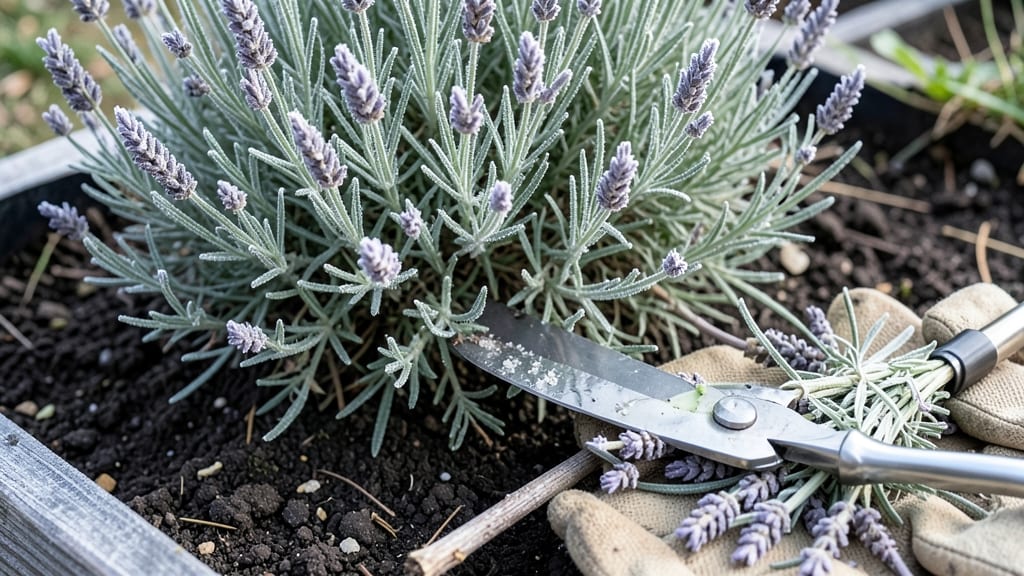
Winter pruning lavender transforms woody, overgrown bushes into neat, fragrant shrubs ready for spring. ✂️ I used to avoid winter pruning—until I saw how much healthier my lavender grew after a sharp trim in late February.
The key is timing: prune after the worst frost but before new growth starts, usually between zone 5's last frost and zone 9's mild winter chill. The tools are simple: sharp bypass pruners, gloves, and a clean bucket for clippings.
Never use dull shears—they crush stems and invite disease. Cut back one-third of the oldest stems to the base, leaving the youngest, most vigorous canes. This forces fresh growth and prevents the plant from becoming too woody.
What you’ll end up with is lavender that blooms earlier, denser, and more fragrant than ever before. The stems stay upright, the foliage stays lush, and you’ll notice fewer brown, dead branches by spring. It’s the secret to lavender that looks like it belongs in a French countryside garden.
Works for both English and French lavender, and adjust timing 2-3 weeks later for warmer zones. Here’s how to do it right—no guesswork, just results.
📚 In This Guide
- What you need
- Instructions
- Tips and common mistakes
- Wrapping up and next steps
What you need
- ● Pruning shears: Bypass pruners (sharp, clean, and sterilized with rubbing alcohol) – 1 pair (for small stems). For thicker canes, add loppers (20-24" reach).
- ● Garden gloves: Cut-resistant, breathable (e.g., leather or synthetic mesh) – 1 pair (to protect from thorns and sap).
- ● Disinfectant: 70% isopropyl alcohol or bleach solution (1 part bleach : 9 parts water) – small spray bottle (for sterilizing tools between cuts).
- ● Heavy-duty trash bags: 13-gallon or larger – 2-3 bags (for debris disposal).
- ● Rake: Bow or leaf rake (for clearing fallen leaves/debris) – 1.
- ○ Cold-hardy gear (Zones 5-7): Insulated pruning sleeves (optional, for extreme cold) – 1 pair.
- ● Thermal layers (long sleeves/pants) – recommended.
- ● Mild-zone prep (Zones 8-10): Sunscreen (SPF 30+) – small travel size (for exposed skin).
- ● Lightweight gloves (if preferred) – 1 pair.
- ● Pruning saw: For stubborn, woody stems – 1 (if lavender is >1" thick).
- ● Garden twine: For tying back heavy canes – small roll.
- ● Compost bin: For repurposing pruned stems (if disease-free).
- ● Notebook/pencil: To track pruning dates and notes – 1.
Instructions for pruning lavender in winter
Winter is the perfect time to refresh your lavender—here's how to do it right for stronger growth next season.
✂️ Step 1: Wait for the Right Time Based on Your Zone
Never prune lavender in cold snaps—wait until after the first hard frost when temperatures stay below 25°F for at least a week. In zones 5-7, this is typically late December to early February. In warmer zones 8-10, prune after the holiday frost, usually January.
Check the weather forecast for a 3-day stretch of dry, calm conditions before pruning. Damp wood invites rot, and wind can stress newly cut plants. I always prune on a sunny afternoon when the air feels crisp but not freezing.
✂️ Step 2: Cut Back by One-Third Using Clean Tools
Use sharp, sterilized pruning shears to remove one-third of the previous year's growth. Look for the woody base—this is your guide. For mature plants, this means cutting back to just above the brown, woody stems where new growth emerges.
Never cut into the old wood—you'll see it as the thick, dark stems at the center. If you accidentally cut too far, the plant may not regrow properly. For young lavender (under 3 years), only trim the tips of the stems to encourage bushiness.
☀️ Step 3: Shape for Airflow and Sun Exposure
Step back and assess the plant's shape. Lavender thrives with open centers—this prevents fungal diseases and allows sunlight to reach all stems. Trim any dead or crossing branches first, then lightly shape the outer edges to maintain a rounded form.
I like to leave the top slightly flatter than the sides—this helps water run off instead of pooling. If your lavender looks leggy, cut back the longest stems first to encourage balanced regrowth. Avoid heavy pruning in one spot; distribute cuts evenly around the plant.
💧 Step 4: Water Lightly and Protect from Frost
After pruning, give the plant a light watering only if the soil feels completely dry. Lavender is drought-tolerant, and overwatering now can rot the fresh cuts. Focus on keeping the root zone moist—not soggy.
If a hard freeze is forecast within a week, cover the plant with burlap or frost cloth to protect the fresh cuts. Remove the cover during the day if temperatures rise above 40°F to prevent moisture buildup. Mulch lightly around the base with 2-3 inches of gravel or straw to insulate roots.
⏰ Step 5: Monitor for New Growth in Early Spring
By late winter or early spring, you'll see new green shoots emerging from the base. This is your sign that the pruning worked! If no new growth appears by mid-March, the plant may need more sunlight or better drainage.
Resist the urge to prune again until next winter. Over-pruning in spring can stress the plant and reduce flowering. Instead, focus on removing any dead wood that appears in early spring—this keeps the plant healthy without disturbing the regrowth.
Tips & tricks for perfect winter lavender pruning
Winter pruning transforms your lavender for next year's blooms—here's how to avoid common mistakes that ruin the process.
Timing is Everything: The 25°F threshold isn't just a number—it's your cue that the plant's natural dormancy is deep enough to handle pruning. I've seen lavender stressed when pruned too early, so always confirm that frost has lasted at least a week. For zones 5-7, mark your calendar for late December to early February, while zone 8-10 gardeners should aim for January after that holiday frost. A quick check of your local frost dates online can save you from pruning too soon.
Tool Prep Matters: Sterilizing your pruning shears is non-negotiable—use rubbing alcohol between cuts on different plants to prevent spreading fungal diseases. I also recommend using bypass pruners over anvil types for cleaner cuts that heal faster. The one-third rule in Step 2 is your guide, but remember: mature plants need more aggressive cuts than young ones. For lavender under three years old, just trim the tips to encourage bushiness, while established plants can handle the more dramatic one-third cut.
Shape Smart: That open center isn't just for looks—it's a disease prevention strategy. When shaping, think "airflow" first. I like to imagine I'm creating a dome shape where water can run off easily. For leggy plants, cut back the longest stems first to encourage balanced regrowth. Pro tip: Step back frequently to check your progress—what looks balanced from close up might look lopsided from a few feet away.
Pro Tips for Lavender Pruning Winter
- Winter pruning transforms your lavender for next year's blooms—here's how to avoid common mistakes that ruin the process.
- Timing is Everything: The 25°F threshold isn't just a number—it's your cue that the plant's natural dormancy is deep enough to handle pruning.
- Tool Prep Matters: Sterilizing your pruning shears is non-negotiable—use rubbing alcohol between cuts on different plants to prevent spreading fungal diseases.
Frequently asked questions
Got questions about winter lavender pruning? You’re not alone! Here are answers to the most common concerns to help you prune with confidence—no guesswork required.
When is the exact best time to prune lavender in winter?
In USDA Zones 5-8, prune lavender in late winter (February–March) after the worst frost has passed but before new growth starts. For Zones 9-10, hold off until early spring (January–February) to avoid encouraging tender new shoots that could freeze. Always check your local frost dates!
What if I prune lavender too early in winter and it freezes?
Don’t panic! Lavender is hardy, and light frost won’t kill it—just avoid pruning during hard freezes (below 20°F/-7°C). If you’ve already pruned too early, cover the plant with burlap or frost cloth for protection. Resume pruning once temperatures stabilize above freezing for a few days.
How much should I cut back lavender in winter?
For most varieties, prune back 1/3 of the plant’s height (never more than half!). Focus on dead, woody stems and shape the plant to encourage bushiness. Avoid "haircutting" (shearing) lavender—use sharp pruners to trim individual stems for a natural look. Over-pruning stresses the plant and reduces blooms.
Can I prune lavender in winter if it’s not blooming yet?
Yes! Winter pruning doesn’t affect blooming—it’s all about removing old wood and shaping the plant for next year’s growth. In fact, pruning in winter boosts next season’s flowers by redirecting energy to new, healthy stems. Just avoid heavy cuts if your lavender is young (<2 years old).
What if my lavender looks dead after winter pruning?
Don’t toss it! Lavender can look dormant or bare-bones in winter, but it’s often just resting. Wait until early spring to assess—if green shoots emerge, it’s alive! If no growth appears by spring, check for root rot or pests (like aphids) and adjust care. Mulch lightly if your zone gets harsh winters.
Are there alternatives to winter pruning for lazy gardeners?
If winter pruning feels overwhelming, try light maintenance pruning in early spring (March–April) instead. Trim just the dead stems and shape lightly—this still improves airflow and blooms. However, winter pruning is ideal for heavy shaping and rejuvenating mature plants. Pro tip: Mark your calendar now to avoid missing the window!
Wrapping up and next steps
Pruning lavender in winter is your secret weapon for stronger, bushier plants—just time it right for your zone!
Whether you’re in the chilly Zone 5 or milder Zone 9, the key is patience and precision. Trim back by 1/3 to 1/2 after the first hard frost but before spring growth kicks in, and your lavender will reward you with vibrant blooms and robust canes.
Now that you’re armed with the know-how, grab those shears and get pruning! 🌿✂️ Start with just one plant to build your confidence, then expand your lavender care routine. Happy pruning—your future fragrant garden starts today!