
Pruning
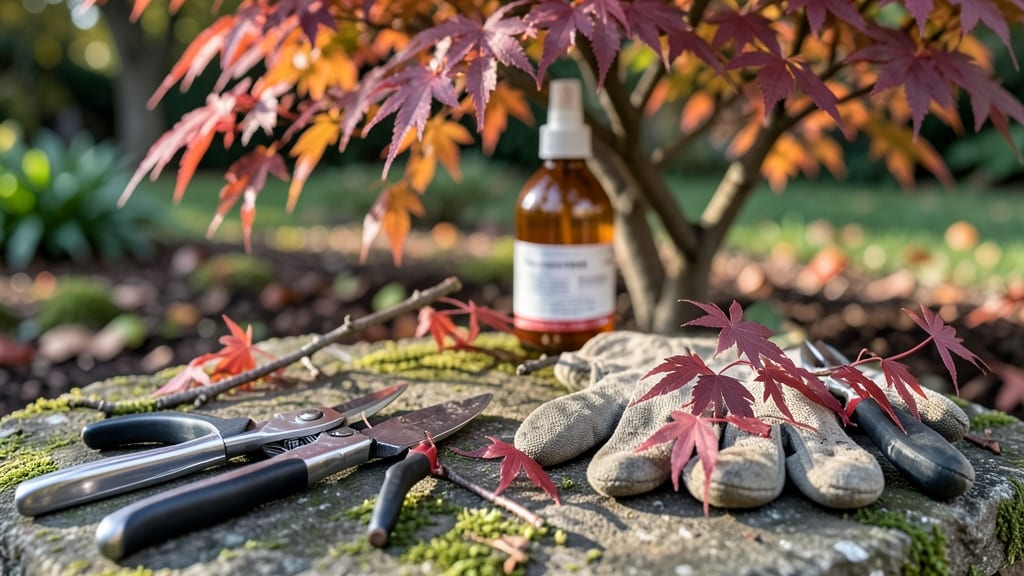
Japanese acer pruning starts with one simple truth: removing deadwood isn’t just cleanup—it’s the foundation for healthier canopy growth and those iconic, lacy branches we all love. ✂️ I’ve pruned my Bloodgood for years, and the difference between a neglected tree and one that thrives comes down to timing, technique, and respecting the tree’s natural shape.
The worst mistake? Cutting too aggressively in spring—it stresses the tree when it’s already pushing new growth.
You’ll need just three tools: sharp bypass pruners for clean cuts, loppers for thicker branches, and a small saw for stubborn wood. Work during dormant season (late winter/early spring) when the tree isn’t actively growing—this gives it time to heal before summer heat arrives.
For varieties like Dissectum, focus on thinning out crowded branches to improve airflow, while Bloodgood benefits from light shaping to maintain its dense form.
What you’ll end up with is a tree that looks effortlessly elegant while growing stronger each year. The key is patience: never remove more than 25% of the canopy in one season, and always cut just outside the branch collar where it meets the trunk.
You’ll see fresh green shoots emerge within weeks, and the foliage will stay vibrant through fall’s fiery display.
This method works for all Japanese acers, whether you’ve got a sprawling Dissectum or a compact Bloodgood. The same principles apply—just adjust the intensity based on your tree’s size and health. Ready to give your acer the care it deserves?
📚 In This Guide
- What you need
- Instructions
- Tips and common mistakes
- Wrapping up and next steps
What you need
- ● Bypass pruning shears – Sharp, clean blades (2.5"–4" opening) for small branches (Pro tip: 💡 Always sterilize with rubbing alcohol to prevent disease spread!
- ● Loppers – 8"–12" long handles for branches 1/2"–2" thick. Look for: 🎯 Ratcheting or bypass style for precision cuts.
- ○ Pruning saw – Curved blade (10"–14") for thick branches (2"+). Optional: 🔥 A folding saw for portability.
- ○ Extension pole pruners – 3–6 ft. reach for high branches (optional but handy!).
- ● Heavy-duty gloves – Cut-resistant (ANSI-rated) to protect hands from thorns.
- ● Disposable pruning bags – 1–2 large bags (10+ gallon capacity) for debris.
- ● Rake or broom – For sweeping up fallen leaves/branches.
- ● Safety glasses – Protects eyes from debris (OSHA-approved).
- ● First-aid kit – Bandages + antiseptic wipes (just in case!).
- ● Best time to prune: Late winter/early spring (dormant season) or immediately after flowering to avoid sap loss.
- ● Weather check: Choose a dry, calm day (no rain forecast for 24 hours).
- ● Tree assessment: Inspect for deadwood, disease, or pest signs before pruning.
Step-by-Step guide to pruning your Japanese acer
Here's how I refresh my Japanese acer's shape while keeping it healthy and vibrant.
✂️ Step 1: Remove Dead and Diseased Branches First
Start by identifying branches that are completely dead (no green leaves or flexible twigs) or showing signs of disease (mushrooms at the base, oozing sap, or discolored bark). Use clean, sharp pruning shears to cut these branches back to the trunk or to a healthy lateral branch. Japanese acers are sensitive to over-pruning, so only remove what's absolutely necessary.
Make your cuts at a 45-degree angle, about ¼ inch above a healthy bud or branch collar. This prevents water from pooling and causing rot. If you're unsure whether a branch is dead, scratch the bark with your fingernail—if it's green underneath, it's still alive and should stay put for now.
✂️ Step 2: Thin Out the Canopy for Better Airflow
Next, focus on thinning the canopy to improve airflow and sunlight penetration. Look for branches that cross each other or grow inward toward the center of the tree. These create rubbing points that can damage the bark and invite pests. Remove one of the crossing branches, cutting back to a lateral branch or bud that grows outward.
Japanese acers have stunning layered foliage, so aim to maintain that natural shape. I like to step back every few cuts to visualize the overall form. If you're unsure which branch to remove, imagine looking at the tree from the front—keep the branch that contributes most to the silhouette.
✂️ Step 3: Shape the Tree While Preserving Its Natural Form
Now it's time for light shaping. Japanese acers grow with a graceful, layered habit, so avoid heavy pruning that could disrupt this. Focus on removing small branches that spoil the tree's outline, cutting just above a leaf bud or side branch. For larger branches, never remove more than ¼ of the tree's total foliage in one season.
Pay attention to the tree's growth pattern—Japanese acers often grow with a slightly weeping habit. If your tree has lost its natural shape, prune to encourage new growth from the lower branches. This keeps the tree balanced and prevents it from becoming top-heavy. Use your shears to make clean cuts, and avoid tearing the bark.
✂️ Step 4: Clean Up and Sterilize Your Tools
After pruning, wipe down your shears with rubbing alcohol to sterilize them and prevent the spread of disease. Remove all pruned branches from the area to keep your garden tidy. Japanese acers are particularly prone to fungal issues, so avoid piling pruned material under the tree where it could harbor moisture and spores.
Finally, give your tree a deep watering to help it recover from the pruning stress. Mulch around the base with 2-3 inches of organic mulch (like shredded bark) to retain moisture and protect the roots. This is especially important in the first few weeks after pruning while the tree focuses on healing.
🌿 Step 5: Monitor and Maintain Through the Growing Season
Keep an eye on your Japanese acer in the weeks following pruning. New growth should appear within 4-6 weeks, signaling that the tree is recovering well. If you notice any unusual wilting, yellowing leaves, or signs of stress, adjust your watering or check for pests.
Japanese acers respond well to light pruning in early spring or late winter, but avoid heavy pruning during these times. Instead, focus on shaping and thinning as needed. With proper care, your tree will reward you with vibrant foliage and a stronger, healthier canopy for years to come.
Tips & tricks for pruning Japanese acer trees
Here's what I've learned after years of pruning my own Japanese acers—and how to avoid the mistakes I made early on.
Tool Prep is Everything: Before you even touch your tree, sharpen your pruning shears so they make clean cuts. Dull blades tear bark and create wounds that invite disease. I test mine on a scrap piece of bark—if it doesn't slice cleanly, it's not ready. Also, keep a small spray bottle of rubbing alcohol handy for quick sterilization between cuts, especially if you're working with multiple trees or branches.
The 25% Rule for Canopy Pruning: In Step 3, when shaping your tree, remember that Japanese acers can only handle removing up to 25% of their total foliage in one season. I learned this the hard way—after removing too much, my tree struggled to recover. If you're unsure, take photos before you start and compare them afterward. You can always remove more next year if needed, but you can't undo over-pruning.
Visualize the Silhouette: Step back every 5-10 minutes during Step 2 to check your progress. Japanese acers have that beautiful layered look, and it's easy to lose sight of it when you're focused on individual branches. I imagine looking at the tree from the front and side—this helps me decide which branches to keep for that signature graceful shape. Think of it like editing a photograph: you're removing elements that distract from the overall composition.
Mulch Matters More Than You Think: After pruning, that 2-3 inches of organic mulch in Step 4 isn't just decorative—it's crucial. Spread it out to the tree's drip line (the edge of the canopy), not just around the trunk. This helps retain moisture and keeps roots cool during those first critical weeks after pruning. I've seen trees recover much faster when properly mulched compared to those that weren't.
Pro Tips for Japanese Acer Pruning
- Here's what I've learned after years of pruning my own Japanese acers—and how to avoid the mistakes I made early on.
- Tool Prep is Everything: Before you even touch your tree, sharpen your pruning shears so they make clean cuts. Dull b...
- The 25% Rule for Canopy Pruning: In Step 3, when shaping your tree, remember that Japanese acers can only handle remo...
Frequently asked questions
Got questions about keeping your Japanese acer in top shape? Here are some of the most common concerns—and their answers—to help you prune like a pro!
When is the best time to prune a Japanese acer?
The ideal window is late winter to early spring (just before buds swell) or immediately after flowering. Avoid heavy pruning in summer or fall—it stresses the tree and invites disease. Light shaping in summer is fine, but never prune during frost or extreme heat.
How do I tell if a branch is dead vs. dormant?
Scratch the bark with your fingernail: deadwood won’t have green underneath, while dormant branches may look brown but still hide live tissue. Tap branches—dead ones sound hollow. If a branch snaps easily or has no buds, it’s time to remove it!
Can I prune during rainy weather?
Pruning in light rain is okay, but avoid heavy downpours or wet conditions. Wet tools spread disease, and soggy wood tears instead of clean cuts. Wait for dry, calm days to minimize stress on your tree and ensure precise cuts.
What if I accidentally over-prune my Japanese acer?
Don’t panic! If you’ve removed more than 25% of the canopy, focus on recovery: water deeply, avoid fertilizing, and prune lightly next season. Japanese acers are resilient—just never prune more than 1/3 of the foliage in one go.
Are there alternatives to traditional pruning?
Yes! For minimal intervention, try selective thinning to improve airflow or crown lifting to raise branches. If your tree is young, training branches early (while flexible) can reduce future pruning needs. Just avoid topping—it’s harmful and encourages weak growth.
Wrapping up and next steps
Pruning your Japanese Acer isn’t just about aesthetics—it’s a game-changer for its health and beauty! 🌿 By removing deadwood, you’ll encourage a lush, vibrant canopy while preventing disease and pests. Remember, timing and technique matter most, so take your time and observe your tree’s response.
Ready to give your Japanese Acer the care it deserves? Start small—pick a sunny day, gather your tools, and begin with confidence. With each snip, you’re not just pruning branches; you’re nurturing a stunning, resilient tree for years to come. Happy pruning! ✂️