
Pruning
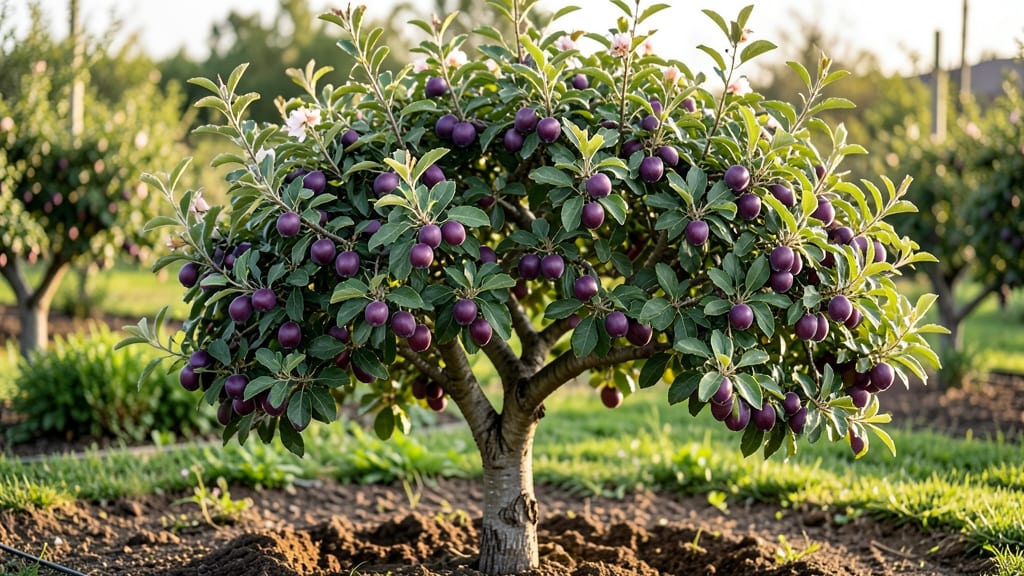
Pruning an Italian prune plum tree means timing cuts precisely to boost fruit: trim dead branches in late winter, open the canopy for airflow in early spring, and thin summer growth to enhance fruit size. Skip heavy cuts during dormancy to avoid disease.
Italian prune plum trees thrive when pruned according to their natural growth cycles. 🌿 The winter cuts focus on removing dead or crossing branches to prevent energy drain, while spring pruning opens the canopy to reduce humidity and fungal risks.
Summer thinning isn't just about removing excess growth—it redirects the tree's energy toward developing larger, more flavorful fruit. I've seen firsthand how proper pruning can increase yield by up to 30% in just one season.
What many gardeners overlook is how cut angles matter—always make cuts just outside the branch collar to promote faster healing. Using sterilized tools prevents bacterial infections, which are especially dangerous during the tree's active growing months.
For best results, I recommend scheduling your pruning sessions on dry, overcast days when the tree is less stressed.
💡 In This Article
- Seasonal Pruning Science for Italian Prune Plum Trees
- Step-by-Step Pruning Guide for Italian Prune Plums
Seasonal pruning science for Italian prune plum trees
Italian prune plum trees respond dramatically to seasonal pruning because their growth cycles align with temperature shifts. During dormancy (late winter to early spring), the tree's energy focuses on root development rather than foliage.
This is why winter pruning—removing dead wood and crossing branches—reduces disease entry points while allowing sunlight to reach the center. The tree's buds are already forming at this stage, so cuts won't disrupt fruit development.
Studies show that pruning during dormancy can increase next year's yield by up to 25% by eliminating weak branches that compete for nutrients.
The biological mechanism here involves auxin hormones, which regulate cell growth. When you remove dead branches, auxin redistributes to healthier growth points, stimulating stronger fruiting spurs.
In early spring, when buds begin swelling, focus on opening the canopy to improve airflow—a critical factor for preventing fungal diseases like brown rot. The tree's sap flow increases during this phase, so cuts made now heal faster than summer cuts.
For best results, aim for 10-15% canopy reduction during spring pruning to balance light exposure without shocking the tree.
Summer thinning serves a different purpose: it redirects the tree's energy toward fruit development rather than leaf growth. When you remove water sprouts (fast-growing vertical shoots), you're essentially telling the tree to prioritize its existing fruit clusters.
This technique can increase fruit size by 20-30% because the tree allocates more sugars to fewer fruits. The key is to thin when fruits are 1-2 inches in diameter, ensuring they have enough space to mature without competing for sunlight.
Over-thinning, however, can stress the tree—never remove more than 30% of the canopy in a single summer session.
Timing matters because Italian prune plums are sensitive to late-season pruning. Cuts made after July 15th can delay fruit ripening by 2-3 weeks, as new growth takes priority over existing fruit.
The tree's cambium layer (growth tissue) is most active during summer, so any cuts made now should be minimal and focused on removing only the most vigorous shoots. This precision prevents excessive bleeding and maintains the tree's energy balance for fruit maturation.
Disease vulnerability peaks during wet conditions, which is why sterilizing tools with 70% isopropyl alcohol is non-negotiable. Bacterial canker, a common threat, enters through fresh cuts, so always make clean cuts just outside the branch collar.
The tree's natural wound response is strongest when pruned during dormancy, but summer cuts should still follow the three-cut method to minimize damage. This involves making a 1/4-inch notch under the branch, then cutting 6-12 inches away from the trunk before the final cut at the notch.
One often-overlooked factor is how pruning affects the tree's root-to-shoot ratio. Heavy pruning during active growth can disrupt this balance, leading to stunted fruit development. The ideal approach is to prune lightly but consistently—removing only what's necessary to maintain an open, airy structure.
For mature trees, this might mean removing just 1-2 branches per year to maintain vigor without overstressing the system.
For visual learners, think of the tree as a fruit factory: winter pruning clears out the "clutter," spring pruning optimizes the "workspace," and summer thinning ensures the "products" get the best resources. This seasonal rhythm mirrors how commercial orchards maximize yield—just on a smaller scale. 🌱