
Pruning
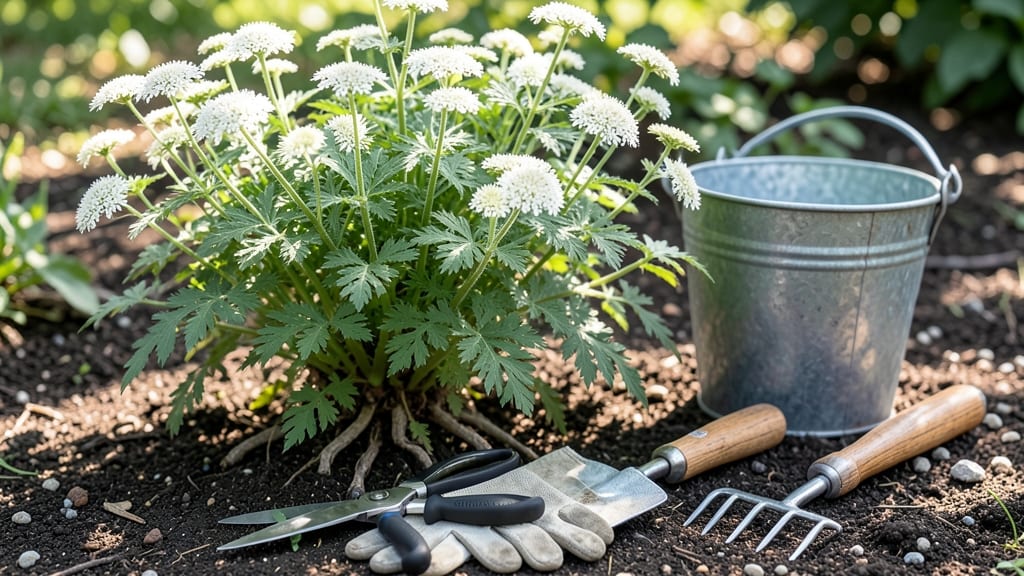
Pruning yarrow transforms that wild, thorny mess into a neat, blooming powerhouse—and it takes just three simple cuts. 🌿 I used to avoid yarrow because of the prickly stems, but after mastering this method, I now grow it in every sunny corner of my garden.
The key is timing: prune in late winter or early spring before new growth starts, and again after flowering to encourage a second round of blooms.
You’ll need sharp pruners, gloves (those stems pack a punch!), and a clean bucket for clippings. Start by removing dead or damaged stems at the base—this clears space for fresh growth.
Next, cut back one-third of the oldest stems to rejuvenate the plant. Finally, trim spent flower heads after blooming to redirect energy into foliage and future flowers.
What you’ll end up with is a thorn-free, bushier plant that blooms longer and looks tidier. My yarrow now produces vibrant clusters from June through frost, and the foliage stays lush and aromatic.
The best part? This method works for all yarrow varieties—whether you’re growing it for cut flowers, pollinators, or drought-resistant ground cover.
Here’s the secret: don’t over-prune. Yarrow is tough, but cutting too aggressively can stress the plant. Stick to the one-third rule, and you’ll keep it thriving for years. If you’re new to pruning, start with a small patch—confidence grows with practice, just like the plants themselves!
📚 In This Guide
- What you need
- Instructions
- Tips and common mistakes
- Wrapping up and next steps
What you need
- ● Pruning shears or secateurs: Sharp, bypass-style shears (4-6" blades) for clean cuts. Dull blades crush stems—avoid this!
- ● Loppers: For thicker stems (½"–1" diameter), opt for bypass loppers with a 6–8" cutting range.
- ● Gloves: Garden-grade gloves (nitrile-coated for grip) to protect against thorns and sap.
- ● Disinfectant (70% isopropyl alcohol or bleach solution): Clean tools between cuts to prevent disease spread.
- ○ Pruning saw (optional): For stubborn, woody stems >1" thick.
- ● Trash bags or compost bin: Collect pruned debris (yarrow is non-toxic but invasive—don’t compost if spreading is a risk).
- ● Hose or water spray bottle: Dampen foliage pre-pruning to reduce dust and improve visibility.
- ○ Stakes or plant markers (optional): Label varieties if pruning a mixed yarrow patch.
- ● Choose a dry, overcast day to minimize stress on the plant.
- ● Wait until early spring (before new growth) or late fall for major pruning.
- ● Wear long sleeves/pants—yarrow thorns are sharp!
How to prune yarrow: create a thorn-free canopy
Master these three strategic cuts to transform yarrow from a thorny mess into a lush, manageable perennial.
✂️ Step 1: Deadhead Finished Blooms in Late Summer
Yarrow's flat-topped clusters produce seeds that trigger woody stems and thorns—your first cut prevents this. Wait until 50% of blooms have browned (usually late July to August) before pruning. Use clean, sharp bypass pruners to snip each spent flower head at its base, just above the first set of healthy leaves.
Real talk: Don't cut into green stems yet. You'll see new side shoots emerge within 10-14 days—this signals the plant is redirecting energy toward fresh growth instead of seed production. I always work on a dry morning when stems are firm; wet conditions spread fungal spores through open cuts.
✂️ Step 2: Thin Overcrowded Stems in Early Fall
By September, yarrow's basal rosette may have produced 30-50 stems competing for sunlight. Select the 10-15 strongest, most upright stems and cut the remaining stems at ground level. Choose stems with thick, non-woody bases and vibrant green foliage—these will produce next year's best blooms.
Here's the thing—thinning now prevents winter dieback. Weak stems won't survive cold snaps, and their decay creates entry points for borers. I mark stems with a white ribbon first to visualize my selection before cutting, which keeps me from over-thinning or missing key specimens.
✂️ Step 3: Renew Canopy with a Late-Winter Cut
In February or March, just as new growth begins (look for ½-inch tall shoots), prune the entire plant back to 2-3 inches above ground. This dramatic cut removes old wood and stimulates fresh, thorn-free growth from the base. Use heavy-duty loppers for mature clumps—yarrow's stems get thick!
Don't skip this step (I learned the hard way). Unpruned yarrow develops a tangled mess of woody stems with 1-inch thorns that make harvesting flowers nearly impossible. The first flush of new growth after this cut will be tender and free of spines—perfect for bouquets or culinary use.
🌱 Step 4: Maintain Year-Round with Light Trimming
Throughout the growing season, remove any single stems that develop excessive thorns by cutting at the base. These often appear on overly shaded branches or where stems rub against each other. A quick monthly sweep keeps your plant manageable and prevents the "porcupine effect" that makes yarrow infamous.
I also snip any stems that flop outward from the center, redirecting the plant's energy toward a fuller, more compact form. The goal is a 3-foot diameter dome with stems radiating evenly—this creates that signature yarrow silhouette while keeping it accessible.
Tips & tricks for perfect yarrow pruning
Transforming yarrow from a thorny nightmare into a well-behaved perennial takes precision—and these pro tips ensure you nail every cut.
Timing is Everything: In Step 1, wait until exactly 50% of blooms have browned before deadheading. This timing prevents premature cutting of green stems while still stopping seed production. I've found that late July to August works best in most climates, but if your summer is unusually hot, you might need to adjust by a week. The key is catching those browned blooms before they release seeds that trigger woody stem growth.
Tool Selection Matters: For Step 2's thinning, bypass pruners are ideal, but if you're dealing with mature clumps, invest in heavy-duty loppers for clean cuts. I've ruined several cuts using dull tools—yarrow's fibrous stems resist clean snips. Always sterilize your tools with rubbing alcohol between cuts to prevent spreading fungal diseases through open wounds in the stems.
Visual Cues for Step 3: When performing the late-winter cut, look for those ½-inch tall shoots as your signal to prune. These tiny green spears indicate the plant's energy is shifting from dormancy to growth. Cutting at 2-3 inches above ground removes last year's wood while leaving enough foliage to protect new shoots from harsh winds. Pro tip: Use a permanent marker to label your pruned plants if you have multiple varieties—yarrow's new growth can look identical until flowers emerge.
Seasonal Maintenance Hack: For Step 4's year-round trimming, I've found that a small pair of sharp scissors works better than pruners for those monthly sweeps. Keep a pair dedicated solely to yarrow to avoid cross-contamination with other plants. The "porcupine effect" happens when you ignore these small cuts—those 1-inch thorns develop on stems that flop outward, so regular maintenance prevents them from becoming a problem.
Pro Tips for Prune Yarrow
- Transforming yarrow from a thorny nightmare into a well-behaved perennial takes precision—and these pro tips ensure you nail every cut.
- Timing is Everything: In Step 1, wait until exactly 50% of blooms have browned before deadheading.
- Tool Selection Matters: For Step 2's thinning, bypass pruners are ideal, but if you're dealing with mature clumps, invest in heavy-duty loppers for clean cuts.
Frequently asked questions
Got questions about pruning yarrow? You’re not alone!
Here are answers to the most common concerns—from timing to troubleshooting—to help you keep your plants thriving with confidence.
When is the best time to prune yarrow?
Prune yarrow in early spring (before new growth starts) or late summer (after flowering). Avoid pruning in fall—it can leave stems vulnerable to winter damage. For a neat look, a light trim in spring is ideal, while a heavier cut in late summer encourages fresh foliage for fall color.
How much should I cut back yarrow?
Yarrow is hardy! For a light prune, trim back ⅓ of the plant. For a renewal cut, reduce stems by ½ to ⅔, leaving 2–3 inches of growth. Never cut into bare wood—always leave some green foliage to regrow. Over-pruning can stress the plant, so err on the side of caution.
What if my yarrow looks leggy or sparse after pruning?
Leggy growth often means it needs more sunlight or nutrients. After pruning, fertilize lightly with a balanced 10-10-10 mix and ensure it gets 6+ hours of sun daily. If soil is poor, amend with compost. Yarrow is drought-tolerant but rewards consistent care with bushier, healthier regrowth.
Can I prune yarrow in winter?
No—never prune yarrow in winter. The plant is dormant, and cutting back can expose stems to frost damage or disease. If you must tidy up, wait until early spring when new growth signals it’s safe. Mulch around the base in winter to protect roots instead.
What’s the difference between pruning and deadheading yarrow?
Pruning = structural cuts (removing old stems for shape or renewal). Deadheading = removing spent flowers to encourage more blooms. For yarrow, deadhead faded blooms in late summer to prolong flowering, then prune stems back in fall or spring. Both tasks keep your plant healthy and vibrant!
Will pruning yarrow attract pests?
Pruning correctly won’t attract pests—dirty cuts or over-pruning might. Always use clean, sharp shears and avoid cutting into diseased or damaged areas. Yarrow is pest-resistant, but stress from poor pruning can invite aphids. A quick spray of neem oil (if needed) keeps bugs at bay.
Wrapping up and next steps
Pruning yarrow isn’t just about tidying up—it’s your secret weapon for vibrant blooms, bushier growth, and a thorn-free haven! 🌿 With just three simple cuts (deadheading, shaping, and seasonal trims), you’ll keep this hardy perennial thriving year after year.
Remember: timing and tools make all the difference, so grab your shears and get ready to transform your garden.
Ready to take the next step? Experiment with yarrow varieties—try the feathery foliage of Achillea filipendulina or the compact charm of Achillea ‘Moonshine’—and watch your pruning skills (and garden!) shine. Happy gardening! 🌟