
Pruning
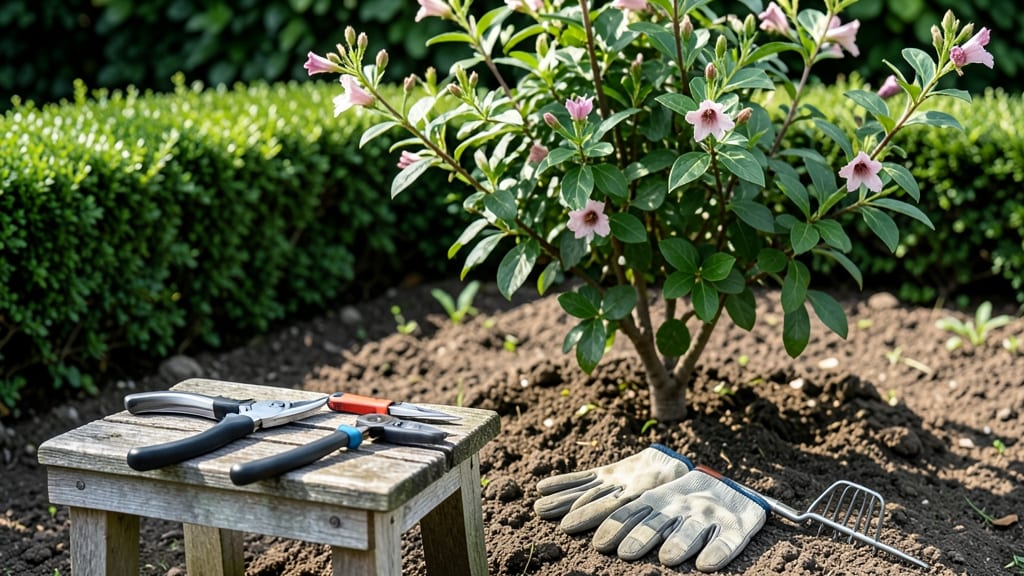
How to prune weigela to keep this bush small isn’t rocket science—just three strategic cuts can transform a leggy shrub into a tidy, blooming powerhouse. 🌿 I’ve pruned mine every spring for years, and the difference in shape and flower production is night-and-day. The key? Timing, technique, and knowing which branches to say goodbye to.
You’ll need sharp pruners, a pair of gloves, and a clear morning to work—no fancy tools required. The best time to prune is right after flowering, when new growth is just starting to push.
This ensures you don’t cut off next year’s blooms while keeping the bush from sprawling. Think of it like giving your weigela a haircut: shorter layers mean fuller volume.
Start by removing dead or crossing branches at the base. Then, cut back one-third of the oldest stems to encourage fresh, younger growth. Finally, trim any leggy branches back to an outward-facing bud to open up the center.
You’ll see new shoots within weeks, and by summer, your bush will be bushier than ever with fewer gaps.
The aftercare is simple: water deeply after pruning, and hold off on heavy fertilizer until new growth appears. Keep an eye out for pests like aphids, which love fresh new leaves, and you’re golden.
Before you know it, your weigela will be the neat, flowering star of your landscape—no more hiding it behind other plants!
📚 In This Guide
- What you need
- Instructions
- Tips and common mistakes
- Wrapping up and next steps
What you need
- ● Bypass Pruners: A sharp, high-quality pair (e.g., Felco or Fiskars) to make clean cuts without crushing stems. Size: 6-8 inches (for medium branches).
- ● Loppers: For thicker stems (½ inch or larger). Look for long-handled, bypass-style loppers (e.g., Corona or Bahco).
- ● Garden Gloves: Cut-resistant gloves (e.g., Mechanix or Dr. McGill’s) to protect your hands from thorns and rough branches.
- ● Disinfectant (70% Isopropyl Alcohol or Bleach Solution): 1 part bleach to 9 parts water to sterilize tools between cuts and prevent disease spread.
- ○ Pruning Saw (Optional): For very thick, woody stems (1 inch or larger). Choose a curved-tooth pruning saw (e.g., Fiskars X27).
- ● Hand Pruners (for fine-tuning): Smaller, anvil-style pruners (e.g., Felco F2) for delicate trimming.
- ● Extension Pole Saw: If your Weigela is tall, a 3-4 foot pole saw (e.g., Fiskars X7) saves you from climbing.
- ● Plant Sealant (e.g., Pruning Wax): Helps seal larger cuts (½ inch+) to prevent disease (e.g., Tanglefoot Tree Wound Pruning Sealer).
- ● Notebook & Pen: To jot down notes on branch placement or growth patterns for future reference.
- ● Timing: Prune in early spring (before buds swell) or right after flowering (late spring/early summer). Avoid pruning in fall or winter.
- ● Weather: Choose a dry, overcast day to minimize stress on the plant and reduce disease risk.
- ● Safety Gear: Safety glasses (in case of debris) and closed-toe shoes.
Step-by-Step instructions for pruning weigela to maintain compact growth
Here’s my foolproof method for keeping your weigela bush lush and contained—no guesswork, just three clean cuts.
✂️ Step 1: Time Your Pruning for Best Results
Prune weigela immediately after flowering, typically in late spring or early summer. This timing ensures you remove spent blooms while leaving next year’s flower buds intact. Weigela flowers on old wood, so cutting back too early removes potential blooms for the following season.
Look for clusters of faded flowers—these signal it’s time to act. If you miss this window, you can still prune lightly in early spring, but you’ll sacrifice some summer blooms. I always mark my calendar with the last frost date as a reminder, since weigela blooms about 4-6 weeks after.
✂️ Step 2: Remove Dead or Weak Growth First
Start by cutting out any dead, diseased, or crossing branches at their base. Use clean, sharp pruners to make 45-degree cuts just above a healthy bud or lateral branch. Avoid leaving stubs—they invite rot and create weak points where pests can enter.
Weigela grows quickly, so it’s common to find branches growing inward or rubbing against each other. These compete for energy and often break under snow or wind. Remove these first—they’re the easiest cuts and make the most immediate impact on your bush’s shape.
✂️ Step 3: Shape the Bush with Strategic Cuts
Now focus on reducing height and encouraging bushiness. Cut back the tallest stems by one-third to one-half their length, always making cuts just above a leaf bud. Avoid cutting into old wood—you’ll know it’s too far back if the stem is thick and woody with no leaves.
Step back often to visualize the shape. Weigela responds well to open centers, so avoid heavy pruning in the middle. Instead, thin out the outer branches to let light reach the center. You’ll see new growth sprout from the sides within 2-3 weeks, filling in any gaps.
✂️ Step 4: Clean Up and Monitor New Growth
After pruning, sterilize your tools with rubbing alcohol to prevent spreading disease. Collect all clippings and dispose of them—never leave them on the ground, as they can harbor pests or fungal spores.
Water the base of the plant deeply to help it recover. You’ll notice fresh, vibrant growth within 7-10 days. Avoid fertilizing immediately—let the plant focus on establishing new roots first. Once new shoots are 3-4 inches tall, you can apply a balanced fertilizer to support their growth.
Tips & tricks for maintaining compact weigela growth
Here's what nobody tells you about keeping your weigela neatly contained—these are the details that make all the difference.
Timing is Everything: The late spring/early summer window for pruning is non-negotiable if you want summer blooms. I learned this the hard way after pruning too early and losing my weigela's flowers for an entire season. Mark your calendar for 4-6 weeks after your last frost date—this is when weigela typically finishes blooming and you can safely prune without sacrificing next year's flowers.
The 45-Degree Cut Technique: That precise angle isn't just for looks—it directs water away from the cut and encourages new growth from the bud below. Practice on a few branches first if you're new to pruning. The cut should be clean and smooth, not jagged, which can tear the bark and invite disease. Use sharp pruners and make the cut in one smooth motion rather than sawing back and forth.
Visualizing the Shape: Step back every few minutes during Step 3 to check your progress. Weigela responds best to an open center design that allows air circulation. Imagine a vase shape—tapered at the top, wider at the base. The goal is to maintain that natural vase form while keeping the bush compact. If you're unsure, take a photo before you start so you can compare your progress.
Post-Pruning Recovery: The 7-10 day recovery period is crucial for new growth. I've seen people rush to fertilize immediately after pruning, thinking it will help—but this can actually stress the plant. Let it focus on root establishment first. Once those new shoots reach 3-4 inches, that's when you should introduce fertilizer to support their growth.
Pro Tips for Prune Weigela To Keep Bush Small
- Here's what nobody tells you about keeping your weigela neatly contained—these are the details that make all the difference.
- Timing is Everything: The late spring/early summer window for pruning is non-negotiable if you want summer blooms.
- The 45-Degree Cut Technique: That precise angle isn't just for looks—it directs water away from the cut and encourages new growth from the bud below.
Frequently asked questions
Got questions about keeping your weigela bush compact and healthy? You’re not alone! Here are some of the most common concerns—and their answers—to help you prune like a pro.
When is the best time to prune weigela for small growth?
Prune your weigela right after flowering (late spring to early summer) to encourage compact growth. Avoid heavy pruning in fall or winter, as this can stimulate tender new growth that may not survive frost. A light trim in late winter (just before buds swell) can also help shape the bush.
How often should I prune weigela to keep it small?
Prune weigela once a year for maintenance, but you can do light trims twice a year if needed—once after flowering and once in late winter. Over-pruning can stress the plant, so aim for no more than 1/3 of the bush’s height or width per year. Consistency is key!
What if I prune at the wrong time and the bush looks sad?
If you prune too late (after fall) or too aggressively, your weigela might look leggy or sparse. Don’t panic! Focus on removing dead or weak branches first, then shape the bush gently. Fertilize lightly in spring and water deeply to help it recover. With patience, it’ll bounce back!
Can I prune weigela to encourage more flowers?
Yes! Pruning right after flowering promotes bushier growth and more blooms the following year. Cut back 1/3 of the oldest stems to the ground to rejuvenate the plant. Avoid pruning in fall, as this can reduce next year’s flower production.
What if my weigela keeps growing tall despite pruning?
If your weigela consistently outgrows your desired size, try hard pruning every 2–3 years—cutting back up to half the plant’s height in late winter. This drastic approach forces new, compact growth. Pair it with regular annual pruning after flowering for best results.
Wrapping up and next steps
Pruning your weigela doesn’t have to be intimidating—just a few strategic cuts can keep your bush compact, healthy, and blooming beautifully. Remember, timing (late winter or early spring) and sharp tools are your best friends, while deadheading spent flowers and thinning crowded stems will encourage lush new growth. 🌿
Now that you’re armed with the know-how, grab those pruners and give your weigela the care it deserves! For extra tips, check out our guide on year-round weigela maintenance—your future blooms will thank you!