
Pruning
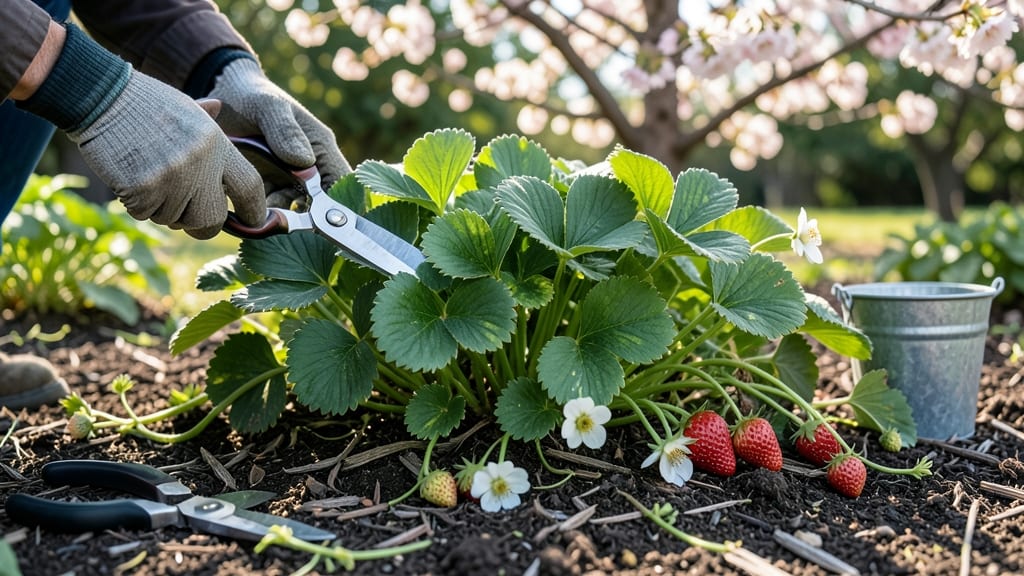
Pruning strawberry plants in early spring unlocks the secret to towering, fragrant blooms all season. 🌱 I’ve pruned my strawberries for years, and the difference between a scraggly patch and a lush, productive plant comes down to a few simple cuts at the right time.
The key? Removing last year’s growth and encouraging fresh, vigorous stems that produce bigger berries.
You’ll only need clean pruners, a pair of gloves, and about 20 minutes of focused time. First, cut back any dead or yellowed leaves—these sap energy from your plants. Then, trim back last year’s runners (those long, trailing stems) to just a few inches above the crown.
This might sound drastic, but trust me: your plants will bounce back stronger than ever.
By mid-summer, you’ll see new, bright green leaves shooting up, followed by clusters of fragrant white flowers. The berries that follow will be sweeter and more abundant than ever.
The best part? This method works for both June-bearing and everbearing varieties, whether you’re growing in raised beds, containers, or straight in the ground.
Fair warning: the first year you prune aggressively, you might worry your plants look bare. But that’s just them redirecting energy to where it matters—juicier berries and fewer pests.
Stick with it, and you’ll have strawberries so productive, your neighbors will ask for cuttings. Ready to transform your patch?
📚 In This Guide
- What you need
- Instructions
- Tips and common mistakes
- Wrapping up and next steps
What you need
- ● Pruning shears or bypass pruners: Choose sharp, sterilized shears (alcohol wipe works) to prevent disease spread. A 5-inch blade size is ideal for precision.
- ○ Gloves (optional but recommended): Wear nitrile or leather gardening gloves to protect against thorns and soil-borne pathogens.
- ● Disinfectant (70% isopropyl alcohol or bleach solution): Clean tools before and after pruning to avoid cross-contamination.
- ● Garden twine or plant ties: A 10-foot roll of 1/8-inch twine to secure sprawling runners or support new growth.
- ● Compost or mulch: 2–3 cubic feet of organic mulch (straw, wood chips, or shredded leaves) to retain moisture and suppress weeds.
- ● Watering can or hose with a gentle nozzle: Keep plants hydrated before, during, and after pruning.
- ● Plant food or fertilizer: A balanced 10-10-10 or organic compost tea to boost recovery after pruning.
- ● Plant labels: Waterproof tags to mark newly planted strawberries or pruned sections.
- ● Knee pads or a small stool: For comfort—pruning can get knee-level cozy!
- ● Trash bag (13-gallon): For disposing of diseased leaves or runners.
Step-by-step guide to pruning strawberry plants for maximum yield
Here's the precise method I use every spring to coax bigger berries and healthier growth from my strawberry beds.
✂️ Step 1: Identify and Remove Last Year's Fruit Stems
Strawberries produce fruit on stems called crowns that emerge from the base of the plant. In early spring, these old stems will be brown and woody. Use clean, sharp pruners to cut them back to the ground—this clears space for new growth and prevents disease buildup. I always prune on a dry morning so the cuts heal faster.
Look for the new green leaves emerging from the center of the plant—these are your indicators that the plant is already pushing new energy upward. The goal is to remove everything dead while preserving the living center. If you're unsure, wait a few days—new growth becomes more obvious as temperatures rise.
✂️ Step 2: Thin Crowded Crowns for Better Airflow
Strawberries multiply rapidly, often forming dense clusters of crowns. In late winter or early spring, separate these crowns so each has its own 6-8 inches of space. Use your hands to gently pull apart the runners, ensuring each new plant has roots and leaves. This prevents competition for nutrients and reduces fungal diseases that thrive in crowded conditions.
Here's the thing—if you see a crown with more than three leaves, it's ready to be transplanted. I like to dig up these extra crowns and replant them in a separate bed or container. This gives me free plants for next year while improving airflow in the main patch.
✂️ Step 3: Prune Flower Buds on First-Year Plants
First-year strawberry plants (those that emerged from seed or runners last summer) need their energy directed toward root and leaf growth, not fruit production. In early spring, remove all flower buds that appear on these plants. Use your fingers to pinch them off at the base—no need for pruners here. This might feel counterintuitive, but it results in stronger plants that produce twice as many berries in their second year.
You'll know you're doing it right when the plant focuses its energy on sending up new leaves rather than developing fruit. By mid-summer, these plants will be stocky and vigorous, ready to bear a heavy crop. I mark first-year plants with small flags so I don't accidentally harvest their flowers later in the season.
☀️ Step 4: Maintain Ongoing Pruning Through the Growing Season
After the initial spring pruning, keep an eye out for weeds and runners that compete with your strawberries. Remove these regularly—they steal moisture and nutrients from your plants. I also trim any leaves that show signs of disease (yellowing, spotting) as soon as I notice them. This prevents the problem from spreading to healthy foliage.
As fruit begins to form, watch for overcrowded berries—these develop from multiple flowers on one stem. Gently remove the smaller berries to leave room for one or two larger, sweeter fruits. This might seem wasteful, but the result is berries that reach full size and develop their signature sweetness. I do this every 2-3 days during peak fruiting season.
Tips & tricks for pruning strawberry plants
These garden-tested strategies will help you transform your strawberry patch into a thriving, high-yielding oasis.
Timing is Everything: Early spring is the perfect window for your initial pruning—aim for late February through March when temperatures consistently stay above freezing. This timing ensures you remove last year's dead stems while new growth is just beginning to emerge. I've found that pruning too early in cold snaps can stress the plants, while waiting too late risks losing precious energy to early blooms. The key is to act when you see those first vibrant green leaves pushing through the soil.
Tool Selection Matters: Invest in a pair of sharp, clean pruners—dull tools crush stems and create larger wounds that invite disease. I sterilize my pruners between cuts using rubbing alcohol, especially when working with plants showing signs of disease. For the delicate task of separating crowded crowns, your hands work best—gently pull apart runners while ensuring each new plant retains its own root system. This hand-pruning method gives you better control than tools for this particular task.
Visual Cues for Perfect Pruning: When thinning crowded crowns, aim for that 6-8 inch spacing between plants. A good rule of thumb is to look for crowns with more than three leaves—these are ready for transplanting. For first-year plants, focus on removing flower buds until you see new leaf growth accelerating. The plants will tell you when you're doing it right: healthy plants will show rapid leaf production and sturdy stems within weeks of proper pruning. This visual feedback is your best indicator of success.
Ongoing Maintenance Secret: The 2-3 day berry thinning schedule during peak season might seem frequent, but it pays off in dramatic flavor improvements. I mark my calendar with reminders because this regular check prevents overcrowding before it becomes unmanageable. Pro tip: Use a small notepad to track which plants you've thinned—this prevents accidental over-pruning and helps you spot patterns in berry development across your patch.
Pro Tips for Prune Strawberry Plants
- These garden-tested strategies will help you transform your strawberry patch into a thriving, high-yielding oasis.
- Timing is Everything: Early spring is the perfect window for your initial pruning—aim for late February through March when temperatures consistently stay above freezing.
- Tool Selection Matters: Invest in a pair of sharp, clean pruners—dull tools crush stems and create larger wounds that invite disease.
Frequently asked questions
Got questions about pruning strawberry plants? You’re not alone! Here are answers to the most common concerns—whether you're a beginner or a seasoned gardener looking to refine your technique.
When is the best time to prune strawberry plants?
For June-bearing varieties, prune right after harvest (late spring/early summer) to remove old leaves and runners. Everbearing and day-neutral types need pruning after the first harvest or in early spring to encourage new growth. Avoid pruning during frost or extreme heat.
Should I cut all the leaves off my strawberry plants?
No! Only remove old, yellow, or diseased leaves (about 2/3 of the foliage). Leaving some healthy leaves ensures the plant can photosynthesize and fuel next year’s fruit. Think of it like a haircut—trim, don’t shave!
What if my strawberry plants don’t produce runners?
Runners may skip a year if plants are overcrowded, stressed, or nutrient-deficient. Try spacing them 12–18 inches apart, adding balanced fertilizer (10-10-10), and ensuring 6+ hours of sunlight. If they’re still sluggish, they might need a spring transplant to rejuvenate.
My strawberries are small or bland—did I prune wrong?
Over-pruning (removing too many leaves) or pruning at the wrong time (like mid-summer) can reduce fruit size and flavor. Focus on removing only dead/damaged foliage and prune after harvest. Also, check for water stress, poor soil, or pests—sometimes the issue isn’t the pruning!
Can I prune strawberries in containers or hanging baskets?
Yes! Container-grown strawberries need the same pruning rules but with extra care for root space. After harvest, trim runners (unless you want to propagate) and remove old leaves. Use well-draining soil and larger pots (12+ inches deep) to prevent stress. Dwarf varieties like ‘Alpine’ thrive in containers!
Wrapping up and next steps
Pruning your strawberry plants is the secret to a bountiful, healthy harvest—and you’ve got all the know-how now! 🌱 By removing old leaves, runners, and spent blooms, you’re giving your plants the energy they need to thrive.
Start small, stay consistent, and soon you’ll be rewarded with fragrant, sweet berries that taste like summer.
Ready to take the next step? Grab your pruners and head to the garden! Watch your strawberry patch transform into a lush, productive haven—one snip at a time. Happy pruning!