
Pruning
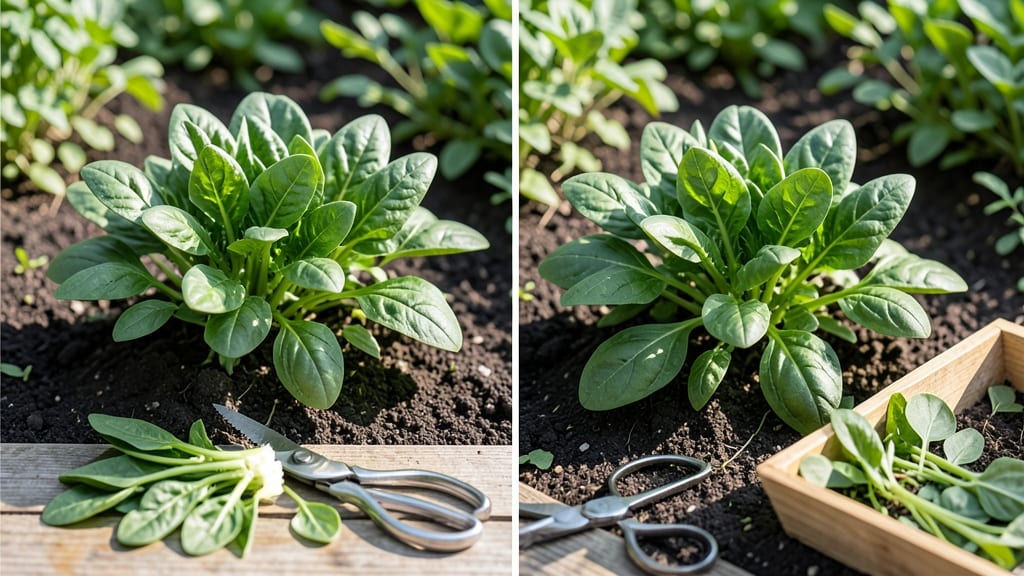
Pruning spinach isn't about shaping plants—it's about harvesting smarter to get more leaves for longer. 🌱 I used to pull entire plants when they bolted, but cutting just the outer leaves changed everything. Now my spinach keeps producing tender greens for weeks after the first harvest.
The key is timing: harvest when leaves reach 4-6 inches tall, cutting just above the next set of leaves. This encourages regrowth from the base, not the top.
Most gardeners skip this because they think spinach is "use it or lose it"—but with proper cuts, you'll get 2-3 harvests from one planting.
You'll notice thicker, bushier plants that bounce back faster after rain or pests. The first cut triggers new growth within 5-7 days, and the flavor stays sweet if you harvest before bolting. Just avoid cutting more than ⅓ of the plant at once, or you'll stress the roots.
Works for both spring and fall plantings, even in containers. The same method applies to Swiss chard and kale too—once you learn it, you'll wonder why you ever pulled whole plants before.
📚 In This Guide
- What you need
- Instructions
- Tips and common mistakes
- Wrapping up and next steps
What you need
- ● Sharp pruning shears or garden scissors – Opt for bypass pruners (clean cuts) or small scissors (for precision). Size: 5–7 inches for easy handling.
- ● Clean, sharp kitchen knife or utility knife – A backup for trimming smaller leaves or stems. Blade length: 3–4 inches.
- ○ Gloves (optional but recommended) – Protect your hands from thorns (if growing wild varieties) or soil debris. Type: Nitrile or leather gardening gloves.
- ● Bucket or large bowl – To collect pruned leaves for compost or cooking. Size: At least 1 gallon capacity.
- ○ Water spray bottle (optional) – Dab leaves with water after pruning to reduce stress on the plant.
- ● Compost bin or bag – For disposing of pruned foliage (unless you’re using it for mulch or cooking).
- ● Mature spinach plants – Prune only when leaves are at least 4–6 inches tall (usually 3–4 weeks after sowing).
- ● Sunny day or overcast morning – Avoid pruning in peak sun to prevent wilting.
- ● Patience – Spinach grows quickly, so frequent light pruning (every 1–2 weeks) yields the best results!
Step-by-Step instructions for pruning spinach
Here's how I keep my spinach producing fresh leaves all season long—no complicated techniques, just three easy cuts.
✂️ Step 1: Wait for True Leaves to Form
Prune spinach only after it develops its first true leaves—those are the second set that appear after the initial seed leaves. These true leaves look more like mature spinach and indicate the plant is strong enough to handle cutting. You'll see them about 3-4 weeks after planting, depending on your climate.
Don't rush this step. Harvesting too early stresses young plants and can stunt their growth. I like to wait until the leaves reach about 2-3 inches in length. This size ensures you get a good harvest without weakening the plant's root system.
✂️ Step 2: Harvest the Outer Leaves First
Use clean, sharp scissors or your fingers to gently pinch off the outer leaves at their base. Leave the inner leaves and the growing point intact—this encourages the plant to produce more leaves. I always harvest from the outside working inward, which keeps the center of the plant protected from damage.
Cut leaves just above where they meet the stem, about ¼ inch above the base. This prevents tearing and allows the plant to regrow from that point. Avoid taking more than ⅓ of the plant's foliage at once—this keeps the plant healthy and productive.
🌱 Step 3: Encourage Regrowth Between Harvests
After each harvest, give your spinach a little boost to encourage regrowth. Water the base of the plant deeply, ensuring the top inch of soil is moist but not soggy. Spinach thrives in cooler weather, so if temperatures rise above 75°F, provide afternoon shade to prevent bolting (when the plant flowers prematurely).
I also like to add a light layer of compost or organic mulch around the base to retain moisture and nutrients. This helps the plant recover quickly and keeps it producing fresh leaves for weeks. Watch for new growth within 7-10 days—that's your sign the plant is bouncing back.
⏰ Step 4: Time Your Final Harvest Before Bolting
Spinach bolts (goes to seed) when days get long and warm, usually in late spring. To maximize your harvest, keep an eye on the plant's growth. If the leaves start to turn bitter or the plant sends up a tall flower stalk, it's time for your final harvest. Cut the entire plant down to 1 inch above the soil to encourage a second flush of growth in some varieties.
Don't let the plant bolt if you want tender leaves. Bolting makes the leaves tough and bitter, which isn't ideal for most recipes. If you're growing spinach in late summer or fall, you can often get a second harvest after the initial bolting by cutting back the plant and keeping it well-watered.
Tips & tricks for pruning spinach like a pro
These simple tricks will help you extend your spinach harvest all season long without stressing your plants.
Timing is Everything: The 3-4 week wait for true leaves in Step 1 is crucial—this gives your spinach enough time to develop a strong root system. I've seen beginners rush this and end up with stunted plants that never recover. Trust me, that extra patience pays off with bigger, healthier leaves later.
Harvesting Technique: When you're harvesting those outer leaves in Step 2, use your thumb and forefinger to pinch just above the base rather than cutting with scissors. This method gives you cleaner cuts and prevents tearing that can damage the plant. I've found that even a small tear can invite pests and diseases.
Watering Wisdom: After each harvest, focus on deep watering to encourage regrowth. The instructions mention keeping the top inch moist, but I like to add that you should water in the morning so leaves have time to dry before evening. Wet leaves overnight can lead to fungal issues, especially in humid climates.
Bolting Prevention: The 75°F temperature threshold mentioned for bolting is key—spinach starts to bolt when days get long and warm. If you notice your plants getting leggy or sending up flower stalks, it's time for that final harvest. I've had success with providing afternoon shade using shade cloth to keep temperatures down during heatwaves.
Pro Tips for Prune Spinach
- These simple tricks will help you extend your spinach harvest all season long without stressing your plants.
- Timing is Everything: The 3-4 week wait for true leaves in Step 1 is crucial—this gives your spinach enough time to d...
- Harvesting Technique: When you're harvesting those outer leaves in Step 2, use your thumb and forefinger to pinch jus...
Frequently asked questions
Got questions about pruning spinach? You’re not alone! Here are answers to the most common queries—so you can keep your spinach thriving and your harvest bountiful.
How often should I prune spinach?
Prune spinach every 1–2 weeks during its growing season (spring or fall) to encourage continuous leaf production. For baby spinach, prune more frequently (every 7–10 days) to keep leaves tender. Avoid over-pruning—never remove more than 1/3 of the plant at once.
When is the best time of day to prune spinach?
Prune in the morning or late afternoon when temperatures are mild. This reduces stress on the plant and gives leaves time to recover before evening. Avoid pruning during heatwaves or after heavy rain, as this can invite pests or disease.
What if my spinach bolts after pruning?
Bolting (sending up a flower stalk) happens when spinach senses heat or age. To prevent it, harvest early (before leaves get large) and keep soil moist. If bolting occurs, pull the plant and replant for a fresh batch. Some varieties (like Bloomsdale) are bolt-resistant.
Can I use pruned spinach leaves for cooking?
All pruned leaves are edible
—just wash them well. Use larger leaves for sautéing, soups, or smoothies, while smaller ones are perfect for salads. For maximum flavor, harvest when leaves are 4–6 inches tall and tender.
What should I do with spinach stems after pruning?
Don’t toss them! Chop stems into small pieces and compost them or blend into pest-repellent teas (steep in water for 24 hours, then spray on plants). You can also regrow spinach from cut stems—place them in water until roots form, then transplant!
Wrapping up and next steps
Pruning spinach isn’t just about trimming—it’s about unlocking a bountiful, healthier harvest with minimal effort! By mastering the three key cuts (harvesting outer leaves, thinning seedlings, and managing bolting), you’ll enjoy tender greens for weeks while keeping your plants thriving.
Remember: consistency is your best friend, and patience pays off in plump, flavorful leaves.
Now that you’re armed with the know-how, roll up your sleeves and get pruning! 🌱 Start with a small patch, experiment with timing, and soon you’ll be a spinach-pruning pro. Next, why not explore companion plants to boost your garden’s productivity even further?