
How To
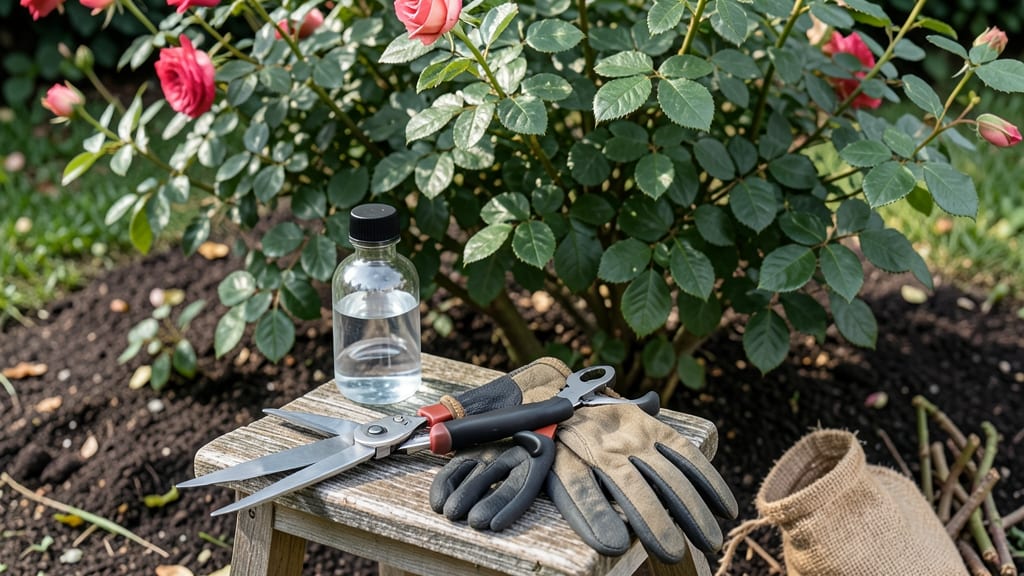
Pruning rose bushes in late winter gives you the clean slate your plants need to explode with blooms by spring. ✂️ I’ve turned my once-tangled rose bushes into thriving, disease-resistant powerhouses by mastering just three key cuts—each serving a different purpose for healthier canes and more flowers.
The secret isn’t just cutting back—it’s understanding why you’re making each cut. Deadheading spent blooms keeps energy flowing to new growth, while strategic shaping opens airflow to prevent fungal issues. And when you rejuvenate old canes, you’re essentially giving your rose bush a fresh start for the season.
You’ll end up with roses that bloom longer, stronger, and with fewer pests disrupting their beauty. The right tools and timing make all the difference—no more guesswork, just confident pruning that transforms your garden. Let’s get those shears sharp and those canes ready!
📚 In This Guide
- What you need
- Instructions
- Tips and common mistakes
- Wrapping up and next steps
What you need
- ● Bypass pruners: Sharp, high-quality pruners (e.g., Felco or Corona) for clean cuts on small to medium stems. Size: 5-7 inches, with ergonomic handles for comfort.
- ● Loppers: For thicker canes (½ inch or larger). Size: 18-24 inches with bypass blades for precision.
- ● Pruning saw: For stubborn, woody stems (1-2 inches thick). Type: Curved blade for ease.
- ○ Disinfectant (optional but recommended): 70% isopropyl alcohol or a 10% bleach solution to clean tools between cuts and prevent disease spread.
- ● Gloves: Heavy-duty gardening gloves (e.g., leather or nitrile-coated) to protect against thorns and bacteria.
- ○ Pruning sealant (optional): Tree wound paint (e.g., Tanglefoot or pruning sealer) for large cuts on hybrid teas or grafted roses.
- ● Markers or flags: Small plant ties or colored stakes to tag canes for future reference (e.g., marking dead wood or new growth).
- ● Trash bag or bucket: For collecting pruned debris (1-2 gallon size).
- ● Knee pads or stool: For comfort if pruning large bushes or working on the ground.
- ● Knowledge of your rose type: Research whether your roses are climbing, shrub, hybrid tea, or old garden roses—pruning methods vary!
- ● Weather check: Prune on a dry, overcast day to reduce stress on the plant and minimize disease risk.
- ● Safety first: Wear long sleeves and closed-toe shoes to avoid thorns and scratches.
Step-by-Step guide to pruning rose bushes for maximum blooms
Here’s my foolproof method for pruning roses year-round—no guesswork, just stronger canes and bigger flowers.
✂️ Step 1: Gather Tools and Assess the Bush
Start with clean, sharp pruners (sterilized with rubbing alcohol) and bypass pruners for thicker canes. I always wear gardening gloves—roses have thorns that draw blood, and nobody needs extra scratches. Grab a bucket for clippings and a spray bottle with diluted bleach (1 part bleach to 9 parts water) to disinfect tools between cuts.
Examine the bush for dead, diseased, or crossing canes. Dead wood is hollow, brown, and crumbly when cut. Diseased canes show black spots or ooze. Crossing branches rub against each other, creating wounds that invite pests. Mark these with a twig tie or flagging tape so you don’t miss them during pruning.
✂️ Step 2: Remove Dead, Diseased, and Weak Growth
Cut out dead or diseased canes first—they sap energy from healthy growth. Make clean cuts at a 45-degree angle, about ¼ inch above a bud that faces outward. This prevents water from pooling on the wound and encourages new growth in the right direction. If a cane is completely dead, remove it entirely at the base.
Next, prune weak or spindly canes—these are thin, pale, and grow outward at sharp angles. Thin them out to open the center of the bush for airflow. I aim to leave 3-5 strong canes per bush, depending on its size. You’ll see healthy canes are thick, dark green, and grow at a more upright angle.
✂️ Step 3: Shape the Bush and Encourage Blooms
Step back and visualize the bush’s natural shape. Hybrid teas and floribundas bloom on new wood, so cut back last year’s blooms to 4-6 inches above the ground in early spring. For climbing roses, prune to 3-5 main canes, cutting each back to 2-3 buds from the base. Always cut just above an outward-facing bud—this keeps the bush open and airy.
Remove any suckers (shoots growing from the base) unless you’re propagating. These drain energy from the main plant. If you’re pruning in late summer, trim back one-third of the oldest canes to encourage new growth. You’ll know you’ve done it right when the bush looks balanced and full, not top-heavy or crowded.
🌿 Step 4: Clean Up and Apply Post-Pruning Care
Rake up and dispose of pruned canes in the trash—never compost diseased wood. Sterilize your tools again with the bleach solution to prevent spreading pathogens. Water the base of the bush deeply to help it recover. In early spring, apply a balanced fertilizer (10-10-10) to fuel new growth.
Mulch around the base with 2-3 inches of organic mulch (like shredded bark) to retain moisture and protect roots. Avoid piling mulch against the stem—keep it 2 inches away to prevent rot. Within 2-3 weeks, you should see new shoots emerging from the buds you left behind. That’s your sign the pruning worked!
⏰ Step 5: Schedule Seasonal Follow-Ups
After the initial spring prune, check the bush monthly for new growth or deadheading needs. Deadhead spent blooms by cutting just above the first five-leaflet leaf below the flower. This redirects energy to producing more blooms instead of seed pods. In late summer, give the bush a light trim to shape it and remove any crossing branches.
In winter, protect tender roses with burlap wraps or rose cones if temperatures drop below 15°F. Prune lightly in early spring (just before buds swell) to remove any winter damage. The key is consistency—roses respond best to regular, gentle pruning rather than drastic cuts all at once.
Tips & tricks for pruning rose bushes like a pro
These insights will help you transform your rose bushes into thriving, bloom-heavy plants with minimal stress.
Tool Prep: Sterilizing your pruners between cuts is non-negotiable—especially when dealing with diseased canes. I keep a small spray bottle of diluted bleach solution (1:9 ratio) right by my work area. After each cut, I give the blades a quick wipe-down. This prevents fungal spores from spreading between healthy and infected canes, which is crucial when you're removing multiple diseased stems. The 45-degree angle cuts mentioned in Step 2 also help water bead off rather than pool, reducing infection risk.
Seasonal Timing: The instructions mention pruning in early spring and late summer, but here's what nobody tells you—timing depends on your climate. In warmer zones (USDA 8-10), you can prune lightly in late winter when buds begin to swell. In colder regions, wait until after the last frost when new growth is visible. The key is to prune just before the bush naturally starts growing, which varies by zone. For hybrid teas, this means cutting back to 4-6 inches above ground level only after you've confirmed the danger of frost has passed.
Bud Selection: When shaping the bush in Step 3, focus on outward-facing buds. These create an open, airy structure that prevents crowding and improves airflow. Here's my trick: hold the cane at a 45-degree angle to the ground and look for buds that point away from the center. If you're unsure which buds are facing outward, imagine drawing a straight line from the bud through the center of the plant—if it points toward the center, cut above the next bud that faces outward. This simple adjustment can triple your bloom production by creating a more open canopy.
Winter Protection: The instructions mention protecting tender roses when temperatures drop below 15°F, but here's the follow-up: if you live in a microclimate with sudden cold snaps, don't wait for the forecast. I've seen roses damaged overnight when temperatures plunged unexpectedly. For extra protection, wrap the entire bush with burlap and secure it with twine, leaving the top open. This creates a mini greenhouse effect that can raise temperatures by 5-10 degrees. In spring, remove the wraps as soon as buds begin to swell to prevent excess moisture buildup.
Pro Tips for Prune Rose Bush
- These insights will help you transform your rose bushes into thriving, bloom-heavy plants with minimal stress.
- Tool Prep: Sterilizing your pruners between cuts is non-negotiable—especially when dealing with diseased canes. I kee...
- Seasonal Timing: The instructions mention pruning in early spring and late summer, but here's what nobody tells you—t...
Frequently asked questions
Got questions about pruning your rose bushes? You’re not alone! Here are some of the most common concerns—and their answers—to help you prune with confidence.
When is the best time to prune roses?
The ideal time depends on your climate and rose type. Late winter or early spring (just before new growth starts) is best for most roses, while fall pruning (after blooming) works in warmer regions. Deadheading spent blooms throughout the season keeps your bush tidy and encourages more flowers. Check our guide for regional specifics!
How much should I cut back my rose bush?
For hybrid teas and grandifloras, aim to cut back one-third to half of the previous year’s growth. For shrub roses, prune to open the center and remove dead or crossing canes. Never cut more than 1/4 of the bush’s total height in one season—this can stress the plant. See our pruning depth chart for variety-specific tips!
What if I prune at the wrong time?
Pruning too early (in cold snaps) or too late (after buds swell) can damage your rose. Late winter pruning is safest, but if you miss it, focus on removing dead or diseased canes anytime. Avoid heavy pruning in fall—it can leave roses vulnerable to winter dieback. When in doubt, prune lightly and monitor for new growth!
Can I prune roses in the summer?
Yes! Light summer pruning (deadheading or trimming leggy stems) is great for encouraging more blooms. However, avoid heavy pruning after mid-summer—it can reduce next year’s flower production. Stick to removing spent blooms and shaping lightly. Pro tip: Water and fertilize after summer pruning to help the bush recover!
What do I do if my rose bush doesn’t bloom after pruning?
Several factors could be at play: over-pruning, nutrient deficiency, or poor sunlight. Check for healthy canes (green, not brown) and ensure your rose gets 6+ hours of sun daily. If needed, feed with rose-specific fertilizer in early spring. If blooms still don’t return, your rose may need rejuvenation pruning—cut back to 12-18 inches from the ground in late winter.
| Issue | Quick Fix |
|---|---|
| No blooms | Check sunlight, fertilize, or prune for stronger canes. |
| Leggy growth | Prune back by 1/3 in early spring. |
| Diseased canes | Cut 6 inches below the affected area with sterilized tools. |
Wrapping up and next steps
Pruning your rose bushes doesn’t have to be intimidating—with the right tools, timing, and technique, you’ll transform those thorny canes into vibrant, blooming masterpieces! 🌹 The key is patience, consistency, and a little love for your plants.
Whether you’re trimming back dead wood in winter or shaping for summer blooms, every snip brings you closer to a healthier, more productive rose bush.
Now that you’re armed with knowledge, grab those pruners and get hands-on! Start small—even a single bush makes a difference—and soon, your garden will thank you with lush, fragrant blooms. Happy pruning! 🌿