
Pruning
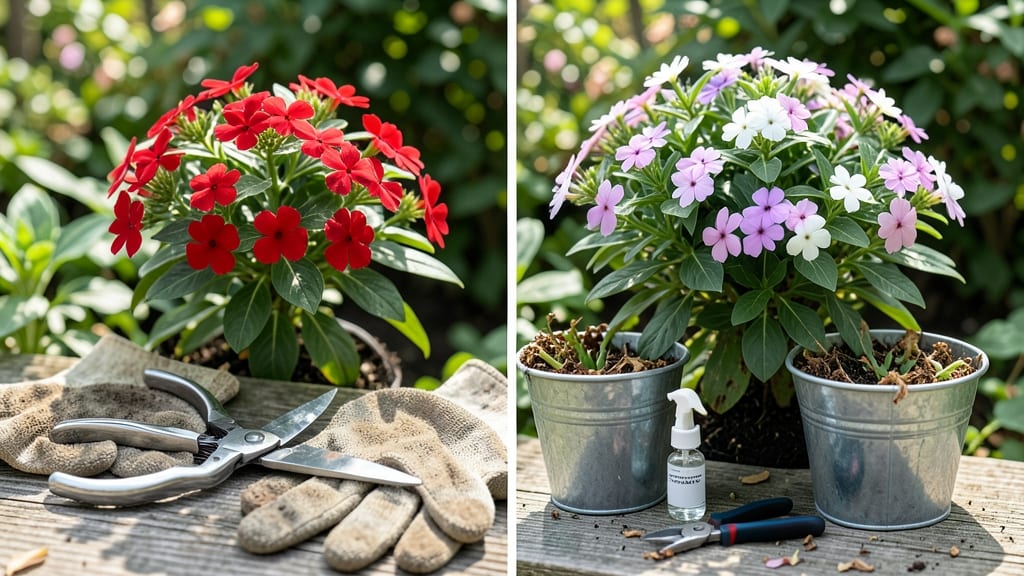
Pruning pentas isn't just about keeping plants tidy—it's the secret to nonstop blooms all season long. 🌸 I've learned the hard way that skipping this step means fewer flowers and leggier stems, but with the right timing and technique, you'll transform your pentas into a vibrant, bushy powerhouse that blooms from spring until frost.
The best time to prune is right after flowering or in early spring before new growth starts. Grab your sharp pruners and cut back about one-third of the plant, focusing on leggy stems and spent blooms. This encourages dense, bushy growth and triggers fresh flower production.
Avoid heavy pruning in fall unless your climate stays mild—pentas need time to harden off for winter. What you'll end up with is a pentas that looks fuller, blooms brighter, and stays compact enough to fit in containers or borders.
The key is consistency: a little maintenance every few weeks keeps those flowers coming. Just don't overdo it—too much pruning stresses the plant and can delay blooming. Even in colder zones, pentas can survive with minimal winter pruning.
Focus on shaping in spring, and you'll have a plant that outperforms store-bought annuals every season. Ready to give it a try?
📚 In This Guide
- What you need
- Instructions
- Tips and common mistakes
- Wrapping up and next steps
What you need
- ● Bypass pruners – Sharp, clean bypass pruners (4-6" blades) for precise cuts. Dull shears crush stems, stressing the plant!
- ● Hand pruners (felco or similar) – For thicker stems (½" or larger). Look for ergonomic handles to avoid hand fatigue.
- ● Disinfectant (70% isopropyl alcohol or bleach solution) – Wipe tools before and after use to prevent disease spread. 1 part bleach to 9 parts water works too!
- ● Garden gloves – Nitrile or leather gloves (size medium/large) protect against thorns and sap.
- ● Rubbing alcohol or hand sanitizer – For cleaning hands post-pruning (sap can irritate skin!).
- ○ Pruning saw (optional but helpful) – Only needed if dealing with very thick, woody stems (rare in young Pentas).
- ● Horticultural oil or pruning sealant – Apply to large cuts to prevent sap oozing (e.g., Tanglefoot Pruning Seal).
- ● Compost bin or bag – For healthy, disease-free removal of pruned material. Avoid composting if the plant shows signs of pests/disease.
- ● Plant food (balanced fertilizer, 10-10-10) – Feed your Pentas 2-4 weeks post-pruning to boost regrowth.
- ● Spray bottle with water – Keeps cuts moist while working (especially in dry climates).
- ● Notebook & pen – Track pruning dates, cuts made, and plant responses for future reference!
Step-by-Step guide for pruning pentas
Here's the simple routine I use to keep my pentas flowering like crazy all season long.
✂️ Step 1: Deadhead Spent Blooms Regularly
Start by pinching off faded flowers with your fingers or clean pruners. I do this every 2-3 days during peak bloom—it sounds frequent, but it takes just a minute. The goal is to remove flowers before they form seed pods, which signals the plant to stop producing new blooms.
Look for flowers that have lost their vibrant color and feel slightly papery. Snip the stem just above the next set of leaves or where the flower meets the main stem. This encourages the plant to redirect energy into fresh blooms instead of seed production. If you see any leggy stems without flowers, trim those back too—they're just stealing resources.
✂️ Step 2: Light Pruning After First Major Bloom Cycle
Once your pentas finishes its first big flush of flowers, give it a light trim to shape the plant and encourage a second round of blooms. I use clean, sharp pruners to cut back about 1/3 of the plant's height, focusing on the longest stems first. This prevents the plant from getting too top-heavy and leggy.
Make cuts just above a set of leaves or a leaf node. Avoid cutting into old wood or bare stems—new growth only emerges from leaf nodes. After pruning, your pentas might look a bit sparse, but it'll bounce back with fresh, bushy growth and new flowers within 2-3 weeks. Water deeply after pruning to help it recover faster.
✂️ Step 3: Mid-Season Renewal Pruning
Around mid-summer, give your pentas another trim to keep it compact and flowering. This time, cut back about 1/4 of the plant's height, removing any dead, diseased, or overly crowded stems. I focus on opening up the center of the plant to improve air circulation, which helps prevent fungal issues.
Look for stems that are crossing or rubbing against each other—these create weak points and can invite pests. Trim these stems back to a healthy leaf node. After this pruning, your pentas will put out fresh, vigorous growth and another round of flowers. This is also a great time to fertilize lightly to support the new growth.
✂️ Step 4: Late-Season Cleanup and Winter Prep
As temperatures start to drop and blooms slow down, it's time for a final cleanup. Trim back any dead or dying stems and shape the plant to fit its space. I cut back about 1/2 of the plant's height at this stage, focusing on removing any weak or leggy growth. This helps the plant enter dormancy stronger and prepares it for next year's blooms.
After pruning, reduce watering gradually and stop fertilizing entirely. Pentas are tender perennials in most climates, so if you're in a colder zone, you can either bring the plant indoors or cut it back to the ground and mulch heavily. In warmer climates, a light pruning and reduced watering will keep it dormant but alive for next season.
✂️ Step 5: Spring Revival Pruning
When new growth appears in spring, give your pentas a final trim to encourage fresh, bushy growth. Cut back any dead or damaged stems and shape the plant to your desired form. I like to trim back about 1/3 of the plant's height to encourage dense, compact growth.
This is also the time to fertilize lightly to support new growth. Watch for new leaves to emerge—this is your signal that the plant is waking up and ready to bloom again. With regular pruning, your pentas should start producing flowers within 6-8 weeks of this spring trim, and you'll be back to deadheading faded blooms in no time.
Tips & tricks for pruning pentas like a pro
Here's what nobody tells you about keeping your pentas blooming all season long.
Timing Secret: Those 2-3 day deadheading intervals in Step 1 might seem like overkill, but trust me—it's the difference between a plant that flowers sporadically and one that looks like a nonstop floral explosion. I've seen pentas go from sparse blooms to overflowing with flowers in just two weeks when I stick to this schedule. The key is consistency: don't skip even one day during peak bloom season.
Pruning Precision: When you're cutting back 1/3 of the plant's height in Step 2, focus on the longest stems first—they're the ones stealing energy from potential blooms. I like to make my cuts just above a leaf node where new growth emerges. Pro tip: If you're unsure where to cut, imagine drawing a line between two leaves—your cut should be right above that line. This ensures your pentas has the best chance to regrow bushy and full.
Mid-Season Strategy: During that mid-summer renewal pruning in Step 3, don't just trim randomly. Take 30 seconds to really look at your plant: cross your arms and cup your hands to visualize the airflow through the center. You're aiming for an open, airy shape that lets light and air circulate. This isn't just about looks—better airflow means fewer fungal problems and healthier new growth. I've had pentas that looked perfect but had hidden rot because I didn't open them up properly.
Winter Prep Insight: For that late-season cleanup in Step 4, if you're in a colder climate, don't be afraid to cut back aggressively—down to the ground if needed. Pentas are tougher than they look, and a hard pruning actually helps them survive winter better. In warmer zones, I still cut back about half, but I leave a few inches of growth to maintain some structure through the dormant season. The key is always to remove anything that looks weak or diseased—don't let those problems carry over to next year.
Pro Tips for Prune Pentas
- Here's what nobody tells you about keeping your pentas blooming all season long.
- Timing Secret: Those 2-3 day deadheading intervals in Step 1 might seem like overkill, but trust me—it's the difference between a plant that flowers sporadically and one that looks like a nonstop floral explosion.
- Pruning Precision: When you're cutting back 1/3 of the plant's height in Step 2, focus on the longest stems first—they're the ones stealing energy from potential blooms.
Frequently asked questions
Got questions about keeping your Pentas looking its best? You’re not alone! Here are answers to the most common queries—so you can prune like a pro and enjoy those vibrant blooms all year.
When is the best time to prune Pentas?
Prune your Pentas in early spring (March–April) to encourage fresh growth and blooms. Light trims can also happen after heavy flowering (summer/fall) to maintain shape. Avoid pruning in late fall or winter, as new growth may struggle in cold weather. For container plants, you can prune lightly year-round if needed!
How much should I cut back my Pentas?
For most pruning, aim to cut back 1/3 of the plant’s height to promote bushiness. Avoid over-pruning—never remove more than half of the foliage at once. If your plant is leggy, trim just above a leaf node (where new growth emerges) to encourage branching. Pentas are resilient, so they bounce back quickly!
What if my Pentas stops blooming after pruning?
If blooms taper off post-pruning, it’s usually due to over-trimming or nutrient stress. Feed with a balanced fertilizer (10-10-10) after pruning to support regrowth. Also, ensure your plant gets 6+ hours of sunlight daily—blooming thrives on light! Deadheading spent flowers can also encourage more blooms.
Can I prune Pentas too much?
Yes! Over-pruning can stress your plant, leading to sparse foliage or stunted growth. Stick to 1–2 major pruning sessions per year (spring and post-flowering) and avoid cutting into woody stems. If you accidentally prune too hard, don’t worry—Pentas recover well with proper care and time!
How do I prune Pentas in containers vs. garden beds?
| Containers | Garden Beds |
|---|---|
| Prune lightly and often (every 4–6 weeks) to control size and encourage blooms. Use sharp scissors for precision. | Prune seasonally (spring/fall) for shape and health. Use pruners or shears for larger cuts. |
| Fertilize after pruning to support compact growth in limited soil. | Mulch after pruning to retain moisture and protect roots. |
Both thrive with similar techniques—just adjust frequency based on space!
Wrapping up and next steps
Pruning your pentas doesn’t have to be intimidating—with the right timing, tools, and techniques, you can keep those vibrant blooms coming all year long! 🌸 By following this year-round guide, you’ll encourage healthier growth, prevent overcrowding, and enjoy a showstopping display of color.
Ready to give your pentas the TLC they deserve?
Now that you’re armed with expert tips, grab those shears and get pruning! For even more gardening success, explore our guide on fertilizing pentas to keep those flowers thriving after your trim.