
Pruning
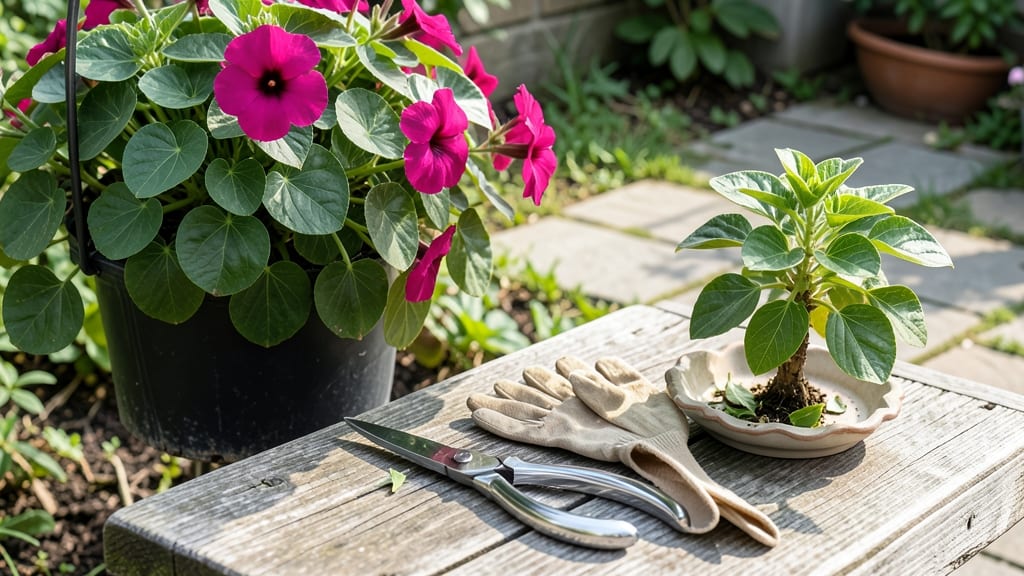
Pruning New Guinea impatiens isn’t just about cutting back—it’s about unlocking their shockingly lush potential. 🌿 These bold, velvety blooms thrive when you guide their growth early in the season, before they get leggy or overcrowded.
I’ve turned my once-sparse plants into a riot of color by mastering just three simple cuts that keep them flowering all summer long.
You only need a pair of clean, sharp pruners and about 10 minutes of your time. The real trick? Cutting just above a leaf node—where leaves meet the stem—at a 45-degree angle.
This encourages bushier growth and more flowers, not just bare stems. And here’s the game-changer: prune in the morning when plants are hydrated, so they recover faster.
By midseason, your plants will look fuller, with denser foliage and blooms packed tighter together. The secret to prolonging blooms? Pinch back the tips of new growth every few weeks—it sounds counterintuitive, but it forces the plant to branch out instead of stretching upward.
No more sad, sparse flowers; just a cascade of vibrant color.
Works for containers, hanging baskets, or garden beds—just avoid heavy pruning after late summer, or you’ll cut back next year’s blooms. Stick with this, and you’ll have impatiens that steal the show every season, no matter how small your space.
📚 In This Guide
- What you need
- Instructions
- Tips and common mistakes
- Wrapping up and next steps
What you need
- ● Pruning shears: Sharp, clean bypass pruners (avoid anvil pruners—they crush stems). Size: 5-7 inches for precision.
- ● Gloves: Heavy-duty gardening gloves (to protect from thorns and sap). Material: Nitrile or leather.
- ● Disinfectant: 70% isopropyl alcohol or a gardening sanitizer (to prevent disease spread).
- ○ Pruning sealant (optional but helpful): Wound sealant (like Tree Seal) for larger cuts.
- ● Trash bag or bucket: For clippings (to avoid pests or diseases lingering in the yard).
- ● Hand lens or magnifying glass: For inspecting stems/joints closely.
- ● Plant food: Balanced fertilizer (10-10-10) to refresh roots post-pruning.
- ● Spray bottle with water: To mist leaves and reduce stress on the plant.
- ● Notebook/pencil: To jot down pruning notes (e.g., "pruned 5/15—expect blooms in 6 weeks!").
Step-by-step guide to pruning new Guinea impatiens
Here's how I keep my New Guinea impatiens thriving with minimal effort and maximum impact.
✂️ Step 1: Identify and Remove Dead or Diseased Foliage
Start by scanning the plant for any leaves or stems that look brown, yellowed, or mushy—these are clear signs of dead or diseased growth. I like to use clean, sharp pruning shears for this step because dull blades can crush stems and invite infection. New Guinea impatiens are particularly susceptible to fungal issues, so removing affected material immediately prevents it from spreading.
Cut back to just above the first set of healthy leaves or a strong node. You'll notice the stems often have a slightly woody texture at these points—this is where new growth will emerge. If the entire stem is diseased, snip it off at the base. Don't worry about being too aggressive here; impatiens respond well to pruning and will fill in quickly.
✂️ Step 2: Pinch Back Leggy Growth for Bushier Plants
New Guinea impatiens grow fast, and without regular pinching, they develop long, leggy stems with sparse blooms. Look for new growth that's stretching beyond the plant's natural shape—these are the stems you'll want to trim. I usually target the top 2-3 inches of the longest stems, cutting just above a set of leaves or a leaf node.
This encourages the plant to branch out and produce more compact, bushier growth. You'll see new side shoots forming within a week or two of pinching. For established plants, I make a habit of trimming back about one-third of the leggy growth every 4-6 weeks during the growing season. This keeps the plant dense and flowering heavily rather than tall and sparse.
✂️ Step 3: Trim Overly Crowded Blooms to Encourage New Flowers
New Guinea impatiens produce stunning, vibrant blooms, but too many flowers at once can drain the plant's energy. Focus on removing spent blooms and any flowers that are past their prime—these are the ones with wilted petals or brown centers. Cut the stem just above the next set of leaves or a leaf node to promote new growth.
This isn't just about aesthetics; it's a strategic move to keep the plant producing fresh blooms. I also remove any flower clusters that are growing too close together, as this can lead to crowded, weak stems. After trimming, you'll often see new buds forming within 7-10 days. For maximum impact, I dedicate 10-15 minutes every week to deadheading and light pruning during the peak blooming season.
✂️ Step 4: Lightly Prune for Shape and Airflow (Optional)
If your impatiens have grown uneven or overly dense, take a moment to shape the plant. I focus on opening up the center to improve airflow, which reduces the risk of fungal diseases like powdery mildew. Trim back any stems that are growing inward or blocking light from reaching the center of the plant.
Use your fingers to gently guide the plant into a more balanced shape—you'll feel where the natural growth patterns lead. Avoid cutting more than 10-20% of the plant's total foliage at once, as this can stress the plant. After shaping, step back and admire your work; a well-pruned impatiens plant looks fuller and more vibrant almost immediately.
Tips & tricks for pruning new Guinea impatiens
These simple strategies will help you keep your vibrant impatiens looking their best with minimal effort—no green thumb required.
Timing is Everything: The 10-15 minutes weekly you spend deadheading during peak blooming season makes all the difference. I've found that early morning pruning prevents wilting from afternoon heat, and the plant recovers faster when trimmed before its natural hydration peak. This consistent routine keeps your impatiens producing fresh blooms instead of struggling under the weight of too many flowers.
Tool Selection Matters: Invest in a pair of bypass pruning shears with a sharp blade—dull tools crush stems instead of making clean cuts. I keep a small pair dedicated just to my impatiens, and they last years. For delicate stems, you can also use clean fingernails or your thumb to pinch back growth gently, though shears give you more precision for thicker stems.
Visual Cues for Pruning: Look for these key indicators when pruning: woody texture at stem nodes (where to cut), brown centers on spent blooms (remove immediately), and leggy growth stretching beyond the plant's natural shape (pinch back to encourage branching). These visual signals help you prune confidently without over-trimming.
Seasonal Strategy: During the 4-6 week growing season, I adjust my pruning frequency based on growth speed. In hotter months, I trim more aggressively to prevent heat stress, while in cooler weather, I focus on shaping rather than heavy pruning. This seasonal approach prevents shocking the plant while keeping it lush and flowering.
Pro Tips for Prune New Guinea Impatiens
- These simple strategies will help you keep your vibrant impatiens looking their best with minimal effort—no green thumb required.
- Timing is Everything: The 10-15 minutes weekly you spend deadheading during peak blooming season makes all the difference.
- Tool Selection Matters: Invest in a pair of bypass pruning shears with a sharp blade—dull tools crush stems instead of making clean cuts.
Frequently asked questions
Got questions about keeping your New Guinea Impatiens thriving? Here are answers to the most common pruning puzzles—so you can enjoy those stunning blooms all season long!
When is the best time to prune New Guinea Impatiens?
Prune New Guinea Impatiens in early spring (just before new growth starts) or after each major bloom cycle—typically every 6–8 weeks. Avoid heavy pruning in late summer, as this can stunt fall blooms. Light trims to remove dead flowers (deadheading) can happen year-round!
How much can I cut back my New Guinea Impatiens?
For shaping, trim back leggy stems by 1/3 to 1/2 their height. Never cut more than 50% of the plant at once—this can stress it. Focus on removing overcrowded stems and spent blooms to encourage bushier growth and more flowers.
What if my New Guinea Impatiens doesn’t bloom after pruning?
If blooms are sparse, check these fixes:
- Light: Ensure it gets bright, indirect light (direct sun scorches leaves).
- Fertilizer: Use a balanced, water-soluble fertilizer (10-10-10) every 4–6 weeks.
- Water: Keep soil consistently moist (not soggy).
- Deadhead: Snip off faded flowers daily to redirect energy to new blooms.
Can I prune New Guinea Impatiens in hot or cold weather?
Wait for mild temps—prune when daytime highs are 60–75°F (15–24°C). Avoid pruning during heatwaves (stresses plants) or frost (they’re tender perennials in most climates). If outdoors, move potted plants to shade before trimming.
Are there alternatives to pruning for bushier growth?
Yes! Try these low-maintenance tricks:
- Pinch young plants: Snip the tips of new growth when they’re 4–6 inches tall to encourage branching.
- Rotate pots: Turn containers quarter-turn daily for even sunlight exposure.
- Thin stems: Remove 2–3 oldest stems to reduce competition for nutrients.
Wrapping up and next steps
Pruning your New Guinea Impatiens doesn’t have to be intimidating—it’s all about timing, technique, and a little love! 🌿 With the right tools, a gentle touch, and these simple steps, you’ll keep your plants thriving and bursting with color all season long.
Remember, consistency is key, so make pruning a regular part of your gardening routine.
Now that you’re armed with knowledge, grab those shears and get pruning! 🌸 For extra flair, experiment with shaping or propagating cuttings—your green thumb will thank you. Happy gardening!