
How To
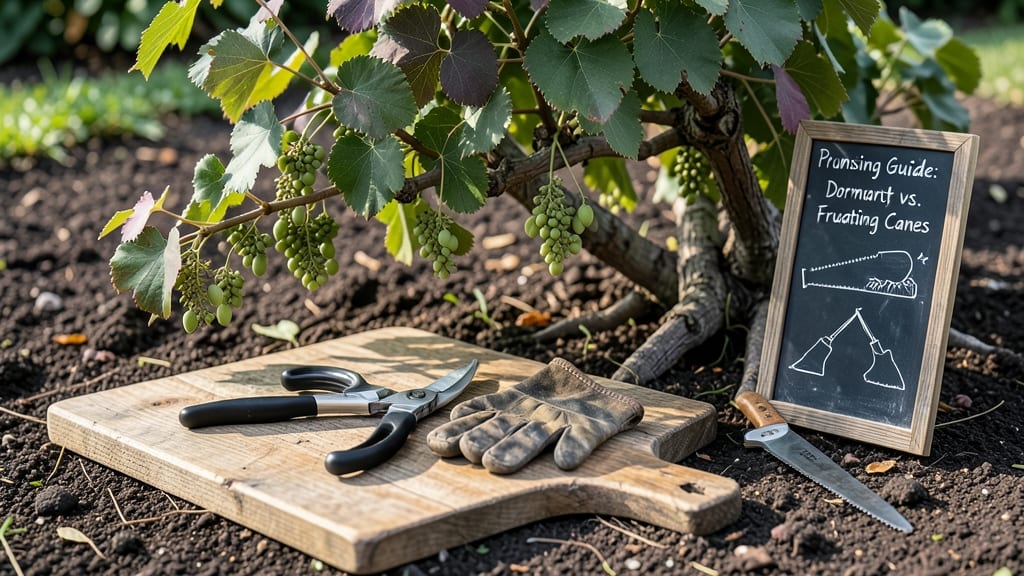
Pruning muscadine vines in late winter isn’t just about shaping—it’s the secret to bigger fruit and vines that last decades. 🌿 I’ve watched my own vines go from scraggly to productive just by following a few key cuts, and the difference in harvest size is night-and-day.
The goal is simple: remove old wood, open the center for sunlight, and encourage strong new canes. You’ll need sharp pruners, gloves, and about 30 minutes for each vine—no fancy equipment, just clear cuts at the right spots.
Skip this step, and you’ll end up with crowded growth, fewer berries, and vines that age out faster.
By spring, you’ll see thick, reddish-brown canes bursting with buds, each one primed for heavy fruit production. The vines stay healthier longer, resist disease better, and produce berries for years. Here’s exactly how to do it without overcomplicating things.
📚 In This Guide
- What you need
- Instructions
- Tips and common mistakes
- Wrapping up and next steps
What you need
- ● Pruning shears – Bypass pruners (sharp, 6-8 inch blades) for clean cuts on smaller canes. Anvil pruners are a budget option but can crush wood.
- ● Loppers – 8-12 inch for thicker canes (½ inch or larger). Look for ratcheting or bypass-style for precision.
- ● Pruning saw – For canes thicker than 2 inches. A bow saw or folding pruning saw works best.
- ● Gloves – Heavy-duty, cut-resistant (e.g., mechanics’ gloves) to protect against thorns and splinters.
- ● Disinfectant – Rubbing alcohol (70%+) or bleach solution (1 part bleach to 9 parts water) to sterilize tools between cuts and prevent disease spread.
- ○ Pruning sealant – Optional for large cuts (e.g., tree wound paint) to reduce sap loss, though muscadines often heal fine without it.
- ● Ladder or step stool – If vines are tall (6+ feet), a stable, extendable ladder ensures safe reach.
- ● Marking spray or tags – For labeling canes if you’re training new shoots (e.g., colored spray paint or plastic tags).
- ● Work boots or closed-toe shoes – Protects feet from dropped tools or sharp canes.
- ● Garden hose or bucket of water – Keeps tools clean and rinses off sap post-pruning.
- ● Timing – Prune during late winter or early spring (just before buds swell) for best results.
- ● Weather – Choose a dry, calm day (avoid rain or frost within 24 hours).
- ● Safety gear – Sunglasses (for bright days) and long sleeves/pants to shield from thorns.
- ● Clean workspace – Clear debris and fallen leaves around the vine to avoid tripping or spreading disease.
Step-by-step instructions for pruning muscadine vines
Late winter is the perfect time to refresh your muscadine vines—here’s how to do it right.
✂️ Step 1: Identify and Remove Dead or Damaged Canes
Start by inspecting each cane closely. Dead canes appear dry, brittle, and brown all the way through—they snap easily when bent. Damaged canes show cracks, disease spots, or broken sections. Grab a handful of canes and give them a firm tug. If they pull away from the vine without resistance, they’re dead and should go.
Use clean, sharp pruners to cut these canes at the base, just above a bud or lateral branch. I always disinfect my pruners with rubbing alcohol between cuts to prevent spreading disease. This step ensures your vine focuses energy on healthy growth rather than reviving dead wood.
✂️ Step 2: Thin Out Overcrowded Canes for Airflow
Muscadine vines thrive when they have space to breathe. Aim to keep 4-6 strong, healthy canes per vine, spaced evenly around the trellis or support structure. Remove the thinnest, weakest canes first—they compete for nutrients and rarely produce fruit. Look for canes that are pencil-thick or thinner; these are unlikely to bear well.
Cut these canes at the base, leaving no stubs. If a cane is growing at an odd angle or rubbing against another, prune it out entirely. Good airflow reduces humidity around the leaves, which cuts down on fungal diseases like anthracnose. This also makes future pruning and harvesting much easier.
✂️ Step 3: Prune Back Last Year’s Fruit Wood
Muscadine fruit grows on one-year-old wood, so last year’s fruiting canes should be pruned back to encourage new growth. Identify these canes by their fruit clusters from the previous season. Cut them back to a strong lateral branch or bud, leaving 6-12 inches of healthy cane. This stimulates the vine to produce fresh, vigorous shoots for this year’s crop.
Here’s the thing—don’t overthink it. If a cane has multiple fruit clusters, prune it back to the strongest lateral branch below the lowest cluster. You’ll know you’re doing it right when you see new buds forming along the remaining cane within a few weeks of spring growth.
✂️ Step 4: Shape the Vine for Optimal Fruit Production
Now it’s time to shape the vine for maximum sunlight exposure and fruit production. Train the remaining canes along the trellis or support structure, spacing them 12-18 inches apart. If canes are crossing or growing inward, prune one to avoid shading. You want a balanced, open structure that lets light reach the center of the vine.
For each cane, look for the strongest lateral branch and prune back any weaker branches growing below it. This encourages the vine to put energy into the main structure rather than competing side shoots. A well-shaped vine will have fewer, but larger, fruit clusters come harvest time.
⏰ Step 5: Clean Up and Apply Mulch
After pruning, rake up all the clippings and dispose of them in the trash—not the compost pile. Muscadine vine debris can harbor diseases like black rot, and you don’t want those overwintering near your plants. Once the area is clear, apply a 2-3 inch layer of organic mulch around the base of the vine, keeping it 6 inches away from the trunk to prevent rot.
Water the vine deeply to help it recover from the pruning stress. This is also a great time to fertilize lightly with a balanced, slow-release fertilizer. Muscadines are heavy feeders, but too much nitrogen now can encourage leafy growth at the expense of fruit. A light application now sets the stage for strong, fruiting canes come spring.
Tips & tricks for pruning muscadine vines
These simple tricks will help you prune with confidence—and set your vines up for a bountiful harvest.
Tool Prep: Sharpen your pruners before starting—dull blades tear canes instead of making clean cuts. I also keep a small bottle of rubbing alcohol handy to disinfect between cuts. This prevents cross-contamination of diseases like black rot, which can linger on tools. Trust me, your future vines will thank you for this small step.
Visual Cue for Step 1: When checking for dead canes, look for the "thimble test"—if you can slide your thumb through the cane easily, it's dead. Healthy canes should feel firm and resist bending. This visual trick saves time by eliminating guesswork. In Step 1, you'll know exactly what to remove without second-guessing.
Airflow Strategy: In Step 2, aim for that "open umbrella" shape when spacing your 4-6 canes. This creates a dome effect that lets sunlight reach the center. I've found that canes spaced 12-18 inches apart (as mentioned) also prevent them from rubbing against each other, which creates wounds that attract pests. A little extra space now means fewer problems later.
Pruning Timing: Late winter is ideal because the vine is dormant, but don't wait until buds swell. If you prune too early, you risk cold damage to fresh cuts. If you wait too long, the vine starts growing and pruning becomes more stressful. The perfect window is when daytime temps consistently reach the 50s°F—this gives you about 4-6 weeks before active growth begins.
Pro Tips for Prune Muscadine Vines
- These simple tricks will help you prune with confidence—and set your vines up for a bountiful harvest.
- Tool Prep: Sharpen your pruners before starting—dull blades tear canes instead of making clean cuts. I also keep a sm...
- Visual Cue for Step 1: When checking for dead canes, look for the "thimble test"—if you can slide your thumb through ...
Frequently asked questions
Got questions about pruning muscadine vines? You’re not alone! Here are answers to the most common concerns—so you can prune with confidence and enjoy a bountiful harvest.
When is the best time to prune muscadine vines?
The ideal window is late winter (just before bud break) or early spring. Pruning at this time removes dead wood, promotes airflow, and encourages vigorous growth. Avoid pruning in fall—it can stimulate new growth that won’t harden off before winter, leaving vines vulnerable to cold damage. Pro tip: If you missed late winter, wait until after flowering but before fruit sets.
How much should I cut back muscadine canes?
For established vines, remove 1/3 to 1/2 of the oldest canes each year to maintain balance. Keep 3–5 of the strongest, most productive canes per vine. Younger vines (under 3 years old) need less aggressive pruning—just trim dead or weak growth. Pro tip: Look for canes with thick, healthy buds; these are your future fruit producers!
What if I accidentally prune too much?
Don’t panic! Muscadine vines are resilient. If you’ve over-pruned, your vine may produce fewer grapes that first season, but it’ll bounce back with stronger canes the following year. To help recovery, water deeply and fertilize lightly with compost or a balanced organic fertilizer. Pro tip: Leave a few extra canes if unsure—they’ll act as a backup for next year’s harvest.
Can I prune muscadine vines in the summer?
Summer pruning is possible but risky. Only trim lightly to improve airflow or remove diseased wood—never cut back more than 10% of the vine. Heavy summer pruning can stress the plant, reduce fruit set, and invite pests. If you must prune, do it after harvest but before fall rains to minimize disease risk. Pro tip: Use clean, sharp tools to avoid spreading sap-borne infections.
How do I know which canes to keep vs. remove?
Use this quick guide:
- Keep: Thick, dark-colored canes with multiple buds (3+ inches apart). These are last year’s fruit producers.
- Remove:
- Thin, weak, or grayish canes (dead or dying).
- Canes with fewer than 3 buds (won’t produce much fruit).
- Crossing or rubbing canes (compete for resources and spread disease).
Wrapping up and next steps
Pruning muscadine vines in late winter is your secret weapon for healthier canes, better airflow, and a bountiful harvest! 🌱 By following these steps—removing dead wood, thinning crowded shoots, and shaping your vine—you’ll set the stage for vigorous growth and sweet, plentiful fruit.
Don’t let overwhelm hold you back; start small, stay consistent, and watch your vine thrive.
Ready to take the next step? Grab your pruners, mark your calendar for late winter, and give your muscadine vines the care they deserve. Your future harvest will thank you!