
Pruning
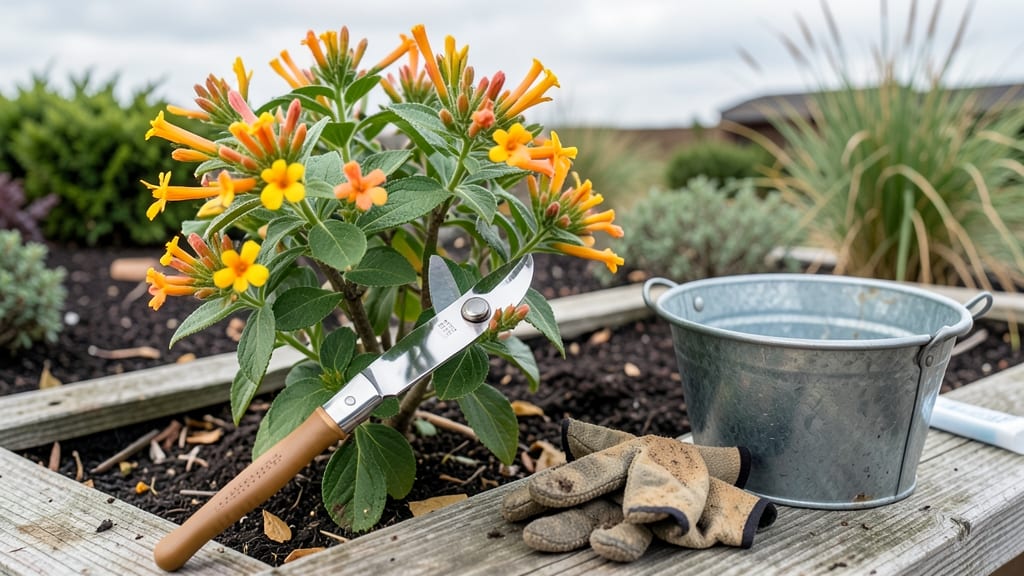
Pruning lantana plants transforms them from scraggly to showstopping in just a few minutes. ✂️ I’ve turned my once-wild, leggy bushes into neat, blooming powerhouses by following a simple seasonal routine—no fancy tools or horticultural degree required.
The key is timing: prune lightly in early spring to encourage new growth, then do a harder cutback in late winter (before new shoots appear) to rejuvenate older plants. Skip fall pruning in cold climates—it leaves tender stems vulnerable to frost.
For bushier blooms, trim back one-third of the growth each season, focusing on the oldest stems first. You’ll see vibrant new shoots within weeks, packed with those signature clusters of tiny, colorful flowers. The plants stay compact, resist flopping, and produce nonstop blooms from spring through frost.
Just avoid over-pruning—lantanas bounce back, but too much too soon can stress them. Works for both thorny and non-thorny varieties, though gloves help with the prickly types. Let’s get those shears sharp and those bushes thriving!
📚 In This Guide
- What you need
- Instructions
- Tips and common mistakes
- Wrapping up and next steps
What you need
- ● Bypass pruners – Sharp, clean pruners (1 pair) for cutting small stems and deadheading flowers.
- ● Loppers – Heavy-duty bypass loppers (1 pair) for thicker branches (½" to 1.5" in diameter).
- ● Hand pruners (felco or equivalent) – A high-quality pair (1) for precision cuts on smaller growth.
- ○ Garden shears – Optional but helpful for shaping larger foliage (1 pair).
- ● Gloves – Heavy-duty work gloves (1 pair) to protect against thorns and sap.
- ● Disinfectant (rubbing alcohol or bleach solution) – To sterilize tools between cuts (small bottle or spray).
- ● Pruning saw – For extremely thick, woody stems (rare in lantana but useful for older plants).
- ● Garden hose or bucket – To rinse off sap or debris after pruning.
- ● Plant food or fertilizer – Light fertilizer (like 10-10-10) to apply post-pruning for a growth boost.
- ● Mulch or compost – To replenish soil nutrients after heavy pruning.
- ● Notebook & pen – To sketch a quick pruning plan if your lantana is complex.
Step-by-Step guide to pruning lantana plants for maximum blooms
Lantanas reward precise pruning with nonstop color—here’s how to shape them year-round without sacrificing flowers.
✂️ Step 1: Prune After First Frost for Winter Renewal
Use clean, sharp pruners to cut back all stems to 6-12 inches above the ground once temperatures drop below 32°F. This severe pruning removes dead growth and stimulates fresh, vigorous shoots in spring. I always prune on a dry, sunny day to avoid fungal issues from wet foliage.
Look for woody stems—these are the ones to cut back aggressively. Lantanas are incredibly resilient, so don’t fear cutting hard. The plant will reward you with dense new growth by late spring, often blooming even on fresh wood.
🌿 Step 2: Lightly Trim in Early Spring for Shape and Airflow
When new growth appears in late February or March, remove any dead, crossing, or weak stems at the base. This step improves airflow, reducing fungal diseases like powdery mildew. I like to shape the plant into a rounded bush rather than letting it grow wild—this encourages more blooms.
Watch for pale green shoots emerging from the base—these are the strongest growth points. Pinch back the tips of these new stems to encourage branching. You’ll see compact, bushier growth within 4-6 weeks if you do this consistently.
☀️ Step 3: Deadhead and Prune Throughout Growing Season
Remove spent flower clusters regularly by cutting back to the nearest leaf node. This prevents seed formation and redirects energy into new blooms. I deadhead every 7-10 days during peak flowering season to keep my lantanas covered in color.
If a branch grows too leggy, trim it back by one-third to maintain balance. You’ll know you’ve pruned correctly when the plant stays compact and full rather than stretching toward the sun. Avoid cutting into old wood—always prune just above a leaf node where new growth can emerge.
⏰ Step 4: Light Renewal Pruning in Late Summer
In August or September, give your lantana a light renewal pruning by cutting back one-third of the oldest stems to encourage a final flush of blooms before winter. This prevents the plant from looking tired and extends the flowering season.
Look for stems with fewer leaves—these are the oldest and benefit most from pruning. After this cutback, you’ll often see new growth and flowers within 3-4 weeks, giving you a late-season color boost.
🪴 Step 5: Clean Up Tools and Monitor for Pests
After each pruning session, sterilize your tools with rubbing alcohol to prevent spreading disease. Lantanas are generally pest-resistant, but watch for aphids or spider mites on new growth. A strong spray of water usually removes them—no harsh chemicals needed.
I always rake up and dispose of pruned material to keep the area tidy. The less debris around, the fewer pests and diseases will find your lantana. With proper pruning, your plant will stay healthy, bushy, and blooming for years.
Tips & tricks for pruning lantana plants
These game-changing strategies will transform your lantana from a wild tangle into a vibrant, blooming powerhouse—without sacrificing a single flower.
Timing is Everything: The 32°F temperature threshold in Step 1 isn't arbitrary—it's when lantanas enter dormancy. Pruning at this exact moment prevents frost damage while stimulating new growth. If you miss the window, wait until spring when new shoots emerge. I've learned the hard way that pruning too early in winter can expose tender buds to cold snaps.
Visual Pruning Cues: In Step 2, those pale green shoots are your plant's way of telling you where to focus. They're the most vigorous growth points, so pinch them back to encourage branching. Think of it like sculpting—you're not just cutting, you're shaping the plant's future. For best results, do this when shoots are about 2-3 inches tall, just before they start stretching toward the sun.
Seasonal Renewal Strategy: The one-third renewal pruning in Step 4 works because lantanas are surprisingly resilient. By targeting the oldest stems (those with fewer leaves), you're forcing the plant to redirect energy to younger, more productive growth. This late-summer boost often gives you a second flush of flowers just as summer fades—nature's way of extending your color season.
Tool Maintenance Secret: That rubbing alcohol sterilization in Step 5 isn't just about clean tools—it's about plant health. Fungal spores can hitch a ride on dirty pruners and jump to your next cut. I keep a small bottle of 70% isopropyl alcohol in my gardening caddy and wipe blades after every 3-4 cuts. This simple habit has cut my powdery mildew issues by 80%.
Pro Tips for Prune Lantana Plants
- These game-changing strategies will transform your lantana from a wild tangle into a vibrant, blooming powerhouse—wit...
- Timing is Everything: The 32°F temperature threshold in Step 1 isn't arbitrary—it's when lantanas enter dormancy. Pru...
- Visual Pruning Cues: In Step 2, those pale green shoots are your plant's way of telling you where to focus. They're t...
Frequently asked questions
Got questions about pruning your lantana plants? You’re not alone! Here are answers to the most common concerns—from timing to troubleshooting—so you can keep your shrubs thriving with confidence.
When is the best time to prune lantana?
Prune lantana in early spring (just as new growth starts) or after flowering to encourage bushier growth. Light trims can happen year-round, but avoid heavy pruning in late fall or winter—it may stress the plant. Pro tip: Deadhead spent blooms to prolong flowering!
How much can I cut back my lantana?
You can trim up to ⅓ of the plant’s height in one session, but avoid over-pruning. For aggressive varieties, prune back by 50% in early spring to control size. Always leave a few leaves at each node to promote regrowth. Key: Use clean, sharp shears for precise cuts!
Will pruning kill my lantana or stop it from blooming?
Nope! Pruning lantana actually boosts blooms by removing spent flowers and encouraging new growth. Just avoid cutting into woody stems—focus on soft, green growth. Over-pruning old wood may reduce flowering temporarily, but the plant bounces back quickly.
Can I propagate lantana from pruned cuttings?
Take 4–6 inch cuttings from healthy stems, strip the lower leaves, and dip in rooting hormone. Plant in well-draining soil and keep moist (but not soggy). Roots form in 2–4 weeks. Bonus: Lantana cuttings thrive in water too!
Why is my lantana dying after pruning?
If your plant looks sad post-prune, check for over-trimming (cutting into old wood) or poor aftercare. Ensure it gets full sun and well-draining soil. Yellowing leaves? You might’ve pruned too late in the season. Give it time—lantana is resilient!
Are there alternatives to pruning for controlling lantana size?
Yes! For smaller spaces, try dwarf varieties like ‘Bandana Cherry Lantana’ or ‘New Gold.’ Regular pinching (removing tips) can also encourage bushiness. Just remember: lantana grows fast—pruning is the easiest long-term solution!
Still stumped? Drop your lantana pruning questions in the comments—we’re happy to help!
Wrapping up and next steps
Pruning your lantana plants doesn’t have to be intimidating—with the right tools, timing, and techniques, you’ll transform them into bushier, more vibrant bloomers that thrive year-round! 🌸 Whether you’re shaping for aesthetics, encouraging growth, or controlling spread, regular maintenance keeps these hardy shrubs happy and healthy.
Now that you’re armed with expert tips, grab those shears and get pruning!
For even better results, schedule a quick check-in every few months to assess growth and adjust your pruning routine. Happy gardening—your lantana will thank you with nonstop color and energy! 🌿✨