
How To
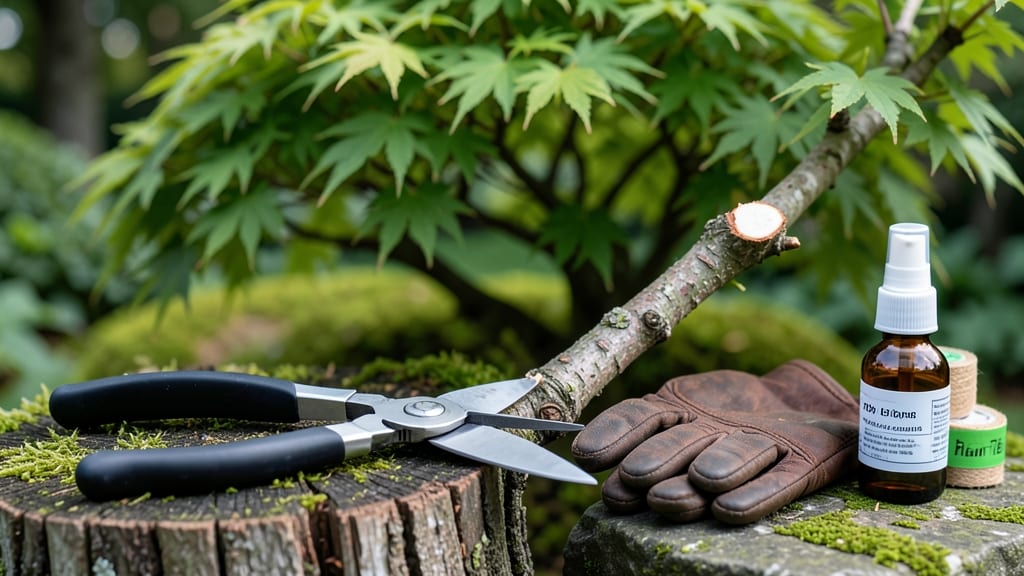
Pruning Japanese maple isn't just about shaping—it's about preserving its delicate, lace-like branches. 🌿 I learned the hard way that aggressive cuts turn these graceful trees into stumps with too many scars.
The key is patience: removing only what’s necessary to maintain form and health while keeping those signature, fine branches intact.
Start with sharp, clean tools—bypass pruners for smaller branches, a handsaw for thicker stems—and always cut just outside the branch collar. Timing matters too: light pruning in late winter or early spring encourages new growth, while summer pruning keeps the tree compact.
Avoid heavy cuts in fall, as wounds won’t heal before winter’s chill.
📚 In This Guide
- What you need
- Instructions
- Tips and common mistakes
- Wrapping up and next steps
What you need
- ● Bypass pruners: Sharp, clean pruners with a 4- to 6-inch blade (for small branches up to ½-inch thick). Pro tip: 💡 Invest in high-quality stainless steel to avoid rust and ensure clean cuts!
- ● Loppers: A 7- to 10-inch pair for branches ½- to 2 inches thick. Look for ratcheting or bypass styles to prevent crushing.
- ● Pruning saw: A folding pruning saw with fine teeth for branches thicker than 2 inches. Avoid saws with aggressive teeth—they can tear bark.
- ● Disinfectant (70% isopropyl alcohol or bleach solution): 1 part bleach to 9 parts water to sterilize tools between cuts and prevent disease spread.
- ● Garden gloves: Cut-resistant, breathable gloves (e.g., nitrile-coated) to protect your hands from thorns and sap.
- ○ Tree wound dressing (optional but helpful): Pruning sealant (like Tanglefoot Tree Wound Pruning Sealer) for cuts larger than ½-inch to reduce sap loss and infection risk.
- ○ Extension pole (optional): A 3- to 6-foot telescoping pole with a pruner or saw attachment for high branches.
- ● Know your tree: Identify the variety (e.g., Acer palmatum, Acer japonicum) and age of your Japanese maple—young trees need lighter pruning than mature ones.
- ● Check the weather: Prune on a cool, cloudy day (or early morning/late afternoon) to reduce stress on the tree. Avoid pruning during hot, dry, or rainy conditions.
- ● Gather a bucket or tarp: For collecting clippings (compost them later or dispose of them properly).
- ● Water nearby: Have a hose or watering can handy to mist the tree and tools if needed.
- ● Safety first: Wear long sleeves and closed-toe shoes to protect from sap and falling branches.
Instructions for pruning Japanese maple: when and how to shape your tree
Pruning a Japanese maple isn't just about cutting back—it's about sculpting its graceful form while keeping it healthy.
✂️ Step 1: Time Your Cuts for Optimal Healing
Late winter or early spring, just before new growth begins, is ideal for structural pruning. This timing lets you shape the tree without disturbing its energy reserves. Avoid pruning in fall—new growth will sprout but won't harden off before winter, leaving tender branches vulnerable to frost damage. If you must prune in summer, do it early to allow wounds to heal before heat stress sets in.
Watch for buds swelling along branches—that's your cue. Prune when you see 50% of the buds showing signs of activity, but before leaves emerge. This ensures the tree directs energy to healing rather than foliage production.
✂️ Step 2: Remove Dead, Diseased, or Crossing Branches First
Start by eliminating any dead wood—branches that snap when bent or lack bark. Next, cut out diseased limbs showing discoloration, cankers, or fungal growth. Use clean, sharp pruners to make 45-degree cuts just outside the branch collar (the swollen area where the branch meets the trunk). This prevents water from pooling and causing rot.
Look for branches that cross or rub against each other—they'll eventually tear bark and create entry points for pests. Remove the smaller of the two branches at its base. You'll notice healthier branches have smooth bark and vibrant green buds, while weak ones appear shriveled or blackened.
✂️ Step 3: Thin the Canopy for Light and Airflow
Step back and assess the tree's overall shape. Your goal is to create an open, airy canopy that lets sunlight reach the inner branches. Focus on removing branches that grow inward or downward—they compete with stronger, upward-growing limbs. Cut these back to a lateral bud or side branch to maintain the tree's natural form.
Never remove more than 25% of the canopy in one season. Japanese maples are sensitive to heavy pruning, and overdoing it stresses the tree. You'll see a balanced silhouette when sunlight filters evenly through the branches and the tree's characteristic weeping or upright form remains intact.
✂️ Step 4: Refine the Shape with Selective Trimming
Now, use your pruners to refine the tree's outline. Cut back overgrown branches to maintain the desired height and width, always making cuts just above a bud or lateral branch. Avoid leaving stubs—they invite disease and weaken the tree. For larger branches over ½ inch thick, use three-step cuts to prevent tearing.
Pay attention to the tree's natural growth habit. If it's a weeping variety, preserve its cascading form by trimming only the tips of the longest branches. For upright types, encourage a tiered look by pruning the lower branches slightly more than the upper ones. Step back frequently to check your progress.
🌿 Step 5: Clean Up and Monitor for Recovery
After pruning, sterilize your tools with rubbing alcohol to prevent spreading disease. Rake up and dispose of all clippings, especially if they show signs of disease. Apply a thin layer of wound dressing only to large cuts over 1 inch thick—smaller wounds seal naturally and benefit from being left open to air.
Water deeply after pruning to help the tree recover. Monitor the pruned areas over the next few weeks for signs of stress, like yellowing leaves or oozing sap. A healthy Japanese maple will show new growth within 4-6 weeks, with vibrant green leaves emerging from the buds you preserved during pruning.
Tips & tricks for perfect Japanese maple pruning
These insider techniques will help you shape your tree like a seasoned arborist while keeping it thriving for decades.
Seasonal Timing Secret: That late winter/early spring window is your golden hour—when buds show 50% activity but leaves haven't emerged yet. I've seen too many gardeners rush this and end up with stressed trees. If you miss this window, summer pruning is your second choice, but only do it early in the season and keep cuts minimal to prevent heat stress. The tree's energy reserves are critical for healing.
Branch Identification Technique: Healthy branches have three key traits: smooth bark, vibrant green buds, and branches that bend slightly without snapping. Weak branches often show blackened areas or buds that appear shriveled. I learned this the hard way after removing what I thought was a healthy branch—it was actually harboring a fungal infection that spread to other parts of the tree.
Canopy Thinning Strategy: When you step back to assess the canopy, imagine sunlight filtering through like a dappled forest floor. Remove branches that grow inward or downward—these are the ones competing with stronger upward-growing limbs. Always cut back to a lateral bud or side branch to maintain the tree's natural form. Remember the 25% rule: never remove more than a quarter of the canopy in one season, or you risk shocking the tree.
Recovery Monitoring: After pruning, keep an eye out for yellowing leaves or oozing sap at the cut sites—these are early warning signs of stress. A healthy Japanese maple should show new growth within 4-6 weeks, with vibrant green leaves emerging from the buds you carefully preserved. Deep watering after pruning gives the tree the hydration boost it needs to recover.
Pro Tips for Prune Japanese Maple
- These insider techniques will help you shape your tree like a seasoned arborist while keeping it thriving for decades.
- Seasonal Timing Secret: That late winter/early spring window is your golden hour—when buds show 50% activity but leaves haven't emerged yet.
- Branch Identification Technique: Healthy branches have three key traits: smooth bark, vibrant green buds, and branches that bend slightly without snapping.
Frequently asked questions
Got questions about pruning your Japanese maple?
You’re not alone! Here are answers to the most common concerns—from timing to troubleshooting—to keep your tree thriving.
When is the best time to prune a Japanese maple?
The ideal time is late winter or early spring (just before buds swell), but you can also prune in summer after new growth hardens. Avoid heavy pruning in fall or winter—cold stress can harm the tree. Light shaping in summer is safe, though!
Can I prune a Japanese maple in summer?
Yes! Summer pruning (after June) is great for shaping and removing dead branches, but avoid heavy cuts—it stresses the tree. Focus on light trimming to maintain balance. If pruning in summer, water well afterward to help recovery.
What if my Japanese maple bleeds sap after pruning?
Sap bleeding is normal but can weaken the tree if excessive. Seal cuts with pruning sealant (optional for small branches) and avoid pruning during wet or freezing conditions. This usually stops after a few weeks. Don’t worry—it’s a sign of a healthy, active tree!
How do I fix over-pruned Japanese maple branches?
If you’ve trimmed too much, focus on recovery care: water deeply, avoid fertilizing, and prune only dead or diseased wood next year. Over-pruned trees may take 1–2 years to bounce back. Patience is key—your maple will thank you!
Are there alternatives to traditional pruning?
Yes! For minimalists, selective shaping (removing only crossing or weak branches) works well. You can also use topiary shears for a cleaner look without heavy cuts. Just avoid drastic changes—Japanese maples are sensitive to stress.
Wrapping up and next steps
Pruning your Japanese maple doesn’t have to be intimidating—with the right timing, tools, and techniques, you can nurture its natural beauty while keeping it thriving. Remember, patience and precision are key, whether you’re shaping its canopy in spring or cleaning up after winter.
Now that you’re armed with the know-how, grab those sterilized shears and get pruning! 🌿✂️
Ready to take your tree’s care to the next level? Consider investing in a soil test or consulting a local arborist to ensure your Japanese maple stays healthy and stunning for years to come.