
Pruning
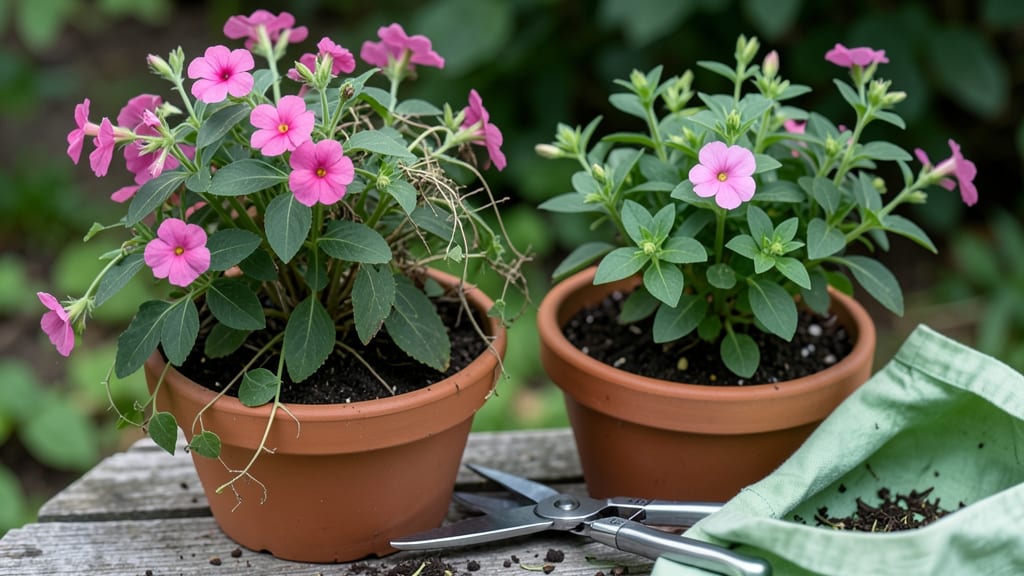
Pruning impatiens isn’t just about cutting back—it’s the secret to nonstop blooms all season long. 🌸 I’ve turned my once-sparse impatiens into lush, flower-covered bushes by mastering a few simple techniques that keep them thriving from spring to frost. The key?
Knowing when to snip and how to encourage that bushy, vibrant growth you love. You’ll only need basic tools: sharp pruning shears and a pair of gloves to protect your hands from those delicate stems.
The real magic happens in the timing—pinching spent blooms in summer and giving a light trim in early spring sets the stage for months of continuous flowers. Even a little effort here means fewer leggy stems and more of those bright, cheerful blooms you planted for.
After pruning, watch as new growth shoots up within 7-10 days, packed with fresh buds. The plants stay compact, resist disease better, and keep flowering until the first hard frost. It’s the difference between a garden bed that fades by July and one that stays showstopping all summer.
Works for both New Guinea impatiens (the bold, leafy varieties) and classic garden impatiens—just adjust how aggressively you trim. Let’s get those shears ready and turn your impatiens into the star of the season!
📚 In This Guide
- What you need
- Instructions
- Tips and common mistakes
- Wrapping up and next steps
What you need
- ● Pruning shears – Sharp, clean bypass pruners (for small stems; avoid anvil pruners to prevent crushing). Quantity: 1 pair.
- ● Gloves – Garden gloves (to protect hands from thorns or sap). Quantity: 1 pair.
- ● Disinfectant – Rubbing alcohol (70% or higher) or bleach solution (1 part bleach to 9 parts water) (to sterilize tools between cuts).
- ● Trash bag or bucket – For collecting pruned stems and debris.
- ○ Water spray bottle – (Optional but helpful for misting plants post-pruning).
- ● Hand pruners – For smaller, more precise cuts.
- ● Garden twine or plant ties – If staking is needed post-pruning.
- ● Slow-release fertilizer – To boost recovery after heavy pruning.
- ● Notebook & pen – To track pruning dates and plant responses.
Step-by-step instructions for pruning impatiens
Here's how I keep my impatiens blooming like clockwork—no deadheading drama, just happy plants.
✂️ Step 1: Pinch Back New Growth Early
Start pruning as soon as your impatiens reach 4-6 inches tall—that's when they're just getting their first true leaves. Use clean, sharp pruners or your fingers to pinch off the top ½ inch of each stem. This encourages branching, which means more flowers later.
I like to do this in the morning when the plants are turgid. You'll see new growth sprout from the leaf axils within 2-3 weeks. If you wait too long, the plant will grow leggy and woody, making it harder to coax new blooms.
✂️ Step 2: Deadhead Regularly for Continuous Blooms
Snip off spent flowers as soon as they fade—this prevents seed formation and redirects energy into new blooms. Use your fingers to pinch off the entire flower stem down to the first set of leaves. You'll know you're doing it right when you see fresh buds forming within 5-7 days.
I deadhead mine every 3-4 days during peak bloom season. If you see flowers wilting before they can open, that's your cue to prune more aggressively. Just avoid cutting into the main stem—always leave at least 2-3 inches of healthy growth.
🌿 Step 3: Light Pruning After Heavy Blooming
Once your impatiens have finished their main bloom cycle, give them a 25-30% haircut to refresh their shape. Cut back stems to just above a leaf node, but never remove more than ⅓ of the plant at once. This prevents shock and encourages a second flush of flowers.
This is also the time to remove any yellow or damaged leaves. You'll notice new growth emerging from the base within 10-14 days. If your impatiens look leggy, it's a sign they need more light—move them to a brighter spot but avoid direct afternoon sun.
⏰ Step 4: Winter Care Pruning
In colder months, reduce pruning to just removing dead or diseased stems. Impatiens are tender perennials, so they won't survive frost. If you're growing them as annuals, you can cut them back by half their height before the first frost to keep them compact and tidy.
I always prune mine back in late fall, leaving just a few inches of stem. This makes them easier to handle when you bring them indoors or protect them for next season. If you're overwintering, keep them in bright light and water sparingly—just enough to keep the soil slightly moist.
Tips & tricks for pruning impatiens
Here's what nobody tells you about keeping your impatiens thriving—these tricks will transform your pruning routine.
Timing is Everything: Morning is the best time to prune because plants are fully hydrated and ready to handle the stress. Avoid pruning in the afternoon heat, which can cause wilting. I've noticed that when I prune in the evening, new growth takes longer to appear—sometimes up to 5-7 days instead of the usual 2-3 weeks. The morning light gives your plants the energy they need to bounce back quickly.
Tool Selection Matters: While fingers work for small jobs, invest in a pair of clean, sharp pruners for larger stems. Dull tools crush plant tissue, causing damage that can invite disease. I sterilize my pruners between plants with rubbing alcohol to prevent spreading any potential pathogens. For impatiens, I always cut just above a leaf node—this is where new growth will emerge most reliably.
Seasonal Adjustments: During summer's peak bloom, stick to the 3-4 day deadheading schedule to keep flowers coming. But in fall, when growth slows, reduce pruning to just removing dead stems. I've learned the hard way that over-pruning in autumn can stress plants before winter. The key is to maintain shape without overdoing it—impatiens are delicate and need gentle encouragement to thrive.
Light and Location: If your impatiens start looking leggy after pruning, they're telling you they need more light. Move them to a spot with bright, indirect light—think dappled shade rather than harsh sun. I've had great success with east-facing windows or under trees that filter sunlight. Just avoid hot afternoon sun, which can scorch tender leaves and slow recovery after pruning.
Pro Tips for Prune Impatiens
- Here's what nobody tells you about keeping your impatiens thriving—these tricks will transform your pruning routine.
- Timing is Everything: Morning is the best time to prune because plants are fully hydrated and ready to handle the stress.
- Tool Selection Matters: While fingers work for small jobs, invest in a pair of clean, sharp pruners for larger stems.
Frequently asked questions
Got questions about keeping your impatiens lush and blooming? Here are some of the most common ones—and their answers—to help you prune like a pro!
When is the best time to prune impatiens for maximum blooms?
Prune impatiens in early spring (just as new growth appears) and throughout the growing season (every 4-6 weeks). Light trims after blooms fade also encourage more flowers. Avoid heavy pruning in late summer—it may stunt fall blooms.
Can I prune impatiens too much? What are the signs?
Yes! Over-pruning removes too many leaves, leaving stems bare and stressed. Signs include yellowing leaves, stunted growth, or fewer blooms. Aim to leave at least 2-3 sets of leaves on each stem after cutting.
Should I prune impatiens before rain? What if it’s too late?
Wait 24 hours after rain to prune—wet plants are more prone to disease. If you’ve already pruned in wet conditions, sterilize shears with rubbing alcohol and avoid pruning again until foliage dries. Healthy airflow post-prune helps prevent fungal issues.
Can I propagate impatiens from pruned cuttings? How?
Dip 4-6 inch cuttings in rooting hormone, plant in moist potting mix, and cover with a plastic bag to retain humidity. Place in bright, indirect light (no direct sun). Roots form in 2-4 weeks—transplant once established!
Why are my impatiens dropping leaves after pruning? Is this normal?
Mild leaf drop is normal if you’ve pruned heavily, but excessive shedding signals stress. Check for pests (aphids, spider mites) or overwatering. Adjust care: water at soil level, avoid soggy roots, and fertilize lightly (half-strength) post-prune.
Wrapping up and next steps
Pruning your impatiens doesn’t have to be intimidating—just a little love and regular care can keep those vibrant blooms coming all season long! 🌸 By following these simple steps, you’ll encourage healthier growth, fuller plants, and a stunning display of color.
Now that you’re armed with the know-how, grab those shears and get ready to transform your garden into a blooming paradise.
Ready to take the next step? Experiment with different pruning techniques to see what works best for your plants, and don’t forget to share your progress with fellow gardening enthusiasts. Happy pruning—and enjoy your nonstop floral show!