
How To
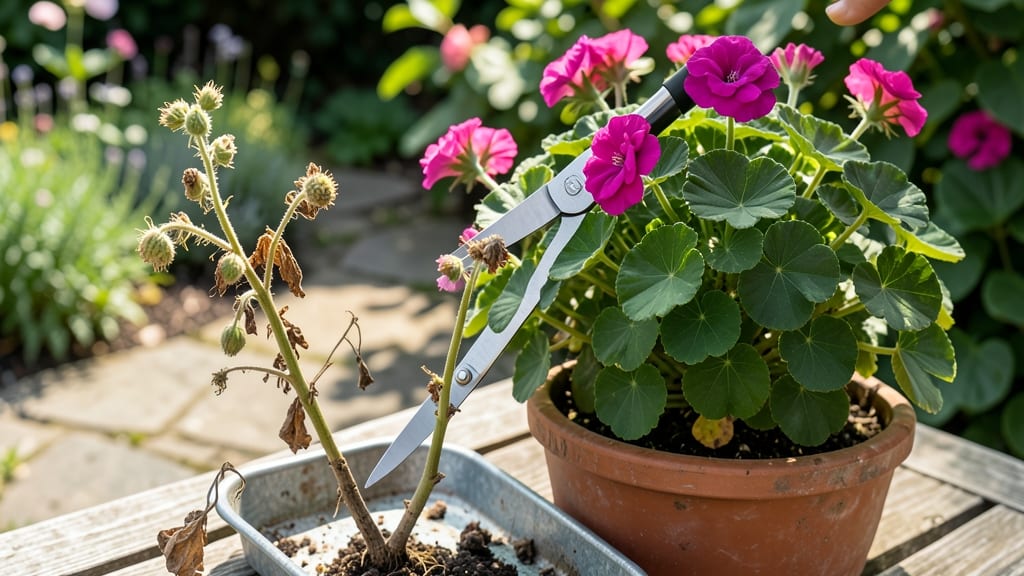
Pruning geraniums isn't just about cutting back—it’s the secret to longer blooms and plants that look like they just came from the nursery. 🌿 I’ve turned my leggy, sparse geraniums into bushy, flower-covered powerhouses with just a few strategic snips, and you can too.
The best time to prune is right after your last frost, when new growth is ready to take off.
Start by cutting back the oldest stems at the base—these are the ones that’ve already bloomed and are now just taking up space. Then, trim back any leggy growth by about a third to encourage fuller, bushier plants.
Use clean, sharp pruners to avoid damaging the stems, and always make cuts just above a leaf node where new growth will sprout.
📚 In This Guide
- What you need
- Instructions
- Tips and common mistakes
- Wrapping up and next steps
What you need
- ● Sharp bypass pruners (or clean, sterilized scissors): Size: 5–7 inches (for medium-sized stems)
- ● Quantity: 1 pair (ensure blades are sterilized with rubbing alcohol to prevent disease)
- ○ Gloves (optional but recommended): Type: Garden gloves (nitrile or leather for durability)
- ● Quantity: 1 pair (to protect hands from thorns and sap)
- ● Disinfectant solution (e.g., 1 part bleach to 9 parts water): Purpose: Sterilize tools before and after pruning
- ● Quantity: Small spray bottle or bowl for soaking
- ● Compost bin or bag: Purpose: Collect pruned stems for composting
- ● Quantity: As needed (or a small bucket for temporary storage)
- ● Hand lens or magnifying glass: Purpose: Spot hidden pests or diseased areas on stems
- ● Pruning saw (for thick, woody stems): Size: 6–8 inches (if your geraniums are mature and sturdy)
- ● Plant food or fertilizer (balanced, 10-10-10 or similar): Purpose: Revitalize geraniums after pruning for a growth boost
- ● Notebook & pen: Purpose: Track pruning dates and plant responses for future reference
Step-by-Step instructions for pruning geraniums
Here's the straightforward method I use to keep my geraniums blooming all summer long.
✂️ Step 1: Wait for the Right Time to Prune
Prune your geraniums in early spring right after the last frost, or in late winter if you're in a warmer climate. This gives the plant time to establish new growth before summer heat arrives. You'll know it's time when you see fresh, green shoots emerging from the base of the plant.
Never prune in fall or winter—geraniums go dormant then, and cutting back too early can shock the plant. If you missed spring, you can do a light trim in early summer after the first flush of blooms, but the plant won't recover as vigorously.
✂️ Step 2: Cut Back Leggy Stems to Encourage Bushiness
Use clean, sharp pruning shears to cut back the main stems by about one-third of their height. Focus on removing the longest, leggiest stems first—they're the ones that have outgrown their space and are now stretching for light. You'll see these as thin, bare stems with just a few leaves at the top.
Don't worry about being perfect—just aim to shape the plant into a more compact form. The goal is to encourage new growth from the base, which will create a fuller, bushier plant. Cut just above a leaf node (where leaves grow out) to promote branching.
🌿 Step 3: Remove Dead or Damaged Growth
Scan the plant for any stems that are brown, mushy, or completely without leaves. These are dead or dying and need to be removed immediately. Use your shears to cut these stems all the way back to the base of the plant. You'll notice these stems feel soft or hollow when you squeeze them.
Also look for any stems that have been damaged by pests or disease. These often appear as spots, holes, or unusual growths. Cut these out completely and dispose of them in the trash—not the compost—to prevent spreading any issues to other plants.
☀️ Step 4: Deadhead Spent Blooms Regularly
Throughout the growing season, you'll need to deadhead your geraniums every 1-2 weeks to keep them blooming. Simply pinch or cut off the faded flowers just above the next set of leaves. You'll see these as wilted blooms that have lost their color and started to droop.
This might seem like a lot of work, but it pays off—deadheading removes spent blooms, which redirects the plant's energy into producing more flowers instead of setting seed. I like to do this on a sunny morning when the flowers are dry, so I can easily see what needs to be removed.
💧 Step 5: Fertilize and Water After Pruning
After you've finished pruning, give your geraniums a light feeding with a balanced, water-soluble fertilizer diluted to half strength. This helps the plant recover from the stress of pruning and encourages new growth. Water the plant thoroughly right after fertilizing to help the nutrients soak into the soil.
Keep the soil consistently moist but not soggy for the first 2-3 weeks after pruning. You'll know it's time to water when the top inch of soil feels dry to the touch. Avoid getting water on the leaves to prevent fungal diseases.
Tips & tricks for perfect geranium pruning
Here's what nobody tells you about keeping your geraniums thriving after pruning.
Timing Secret: In Step 1, if you're unsure about frost dates, use your local weather app to check the average last frost date for your area. I've pruned too early and ended up with leggy stems that didn't recover in time for summer blooms. The key is those fresh green shoots—wait until you see at least 2-3 new leaves emerging from the base before cutting.
Tool Tip: For Step 2, invest in a good pair of pruning shears with bypass blades—they make cleaner cuts that heal faster. I used dull scissors for years and noticed my geraniums took longer to recover. Always clean your shears with rubbing alcohol between plants to prevent spreading diseases. Also, keep a small bucket of soapy water nearby to soak any diseased stems you remove in Step 3.
Visual Cue: During Step 4's deadheading, look for the first set of leaves below the faded bloom—this is where you want to make your cut. I used to cut too close to the stem, which can damage the plant. Think of it like giving the plant a little haircut: you want to leave enough leaf surface to keep photosynthesizing while removing the spent flower.
Recovery Strategy: After completing Step 5, place your pruned geranium in a bright spot with indirect sunlight for the first 24 hours. This helps reduce stress on the plant. I've noticed that geraniums pruned in direct sun immediately can develop sunburn spots on their new growth. Also, avoid fertilizing again for at least 4 weeks after pruning—let the plant focus on growing new stems first.
Pro Tips for Prune Geraniums
- Here's what nobody tells you about keeping your geraniums thriving after pruning.
- Timing Secret: In Step 1, if you're unsure about frost dates, use your local weather app to check the average last frost date for your area.
- Tool Tip: For Step 2, invest in a good pair of pruning shears with bypass blades—they make cleaner cuts that heal faster.
Frequently asked questions
Got questions about pruning geraniums? You’re not alone! Here are some of the most common concerns—plus straightforward answers to keep your plants thriving.
When is the best time of year to prune geraniums?
Prune geraniums after the first frost in fall or early spring before new growth starts. Avoid pruning during winter dormancy or in extreme heat—aim for mild, dry weather. This timing ensures healthy regrowth and prevents stress.
How much should I cut back geraniums?
Cut back geraniums by one-third to half their height. For leggy plants, trim stems just above a leaf node (where leaves meet the stem). Avoid over-pruning—this can stunt growth. Focus on shaping while preserving the plant’s energy reserves.
Can I prune geraniums too much?
Yes! Over-pruning removes too many leaves, leaving the plant with less energy to produce new growth. If you’ve already trimmed too aggressively, reduce watering slightly and fertilize lightly to support recovery. Geraniums are resilient but need balance.
What if my geraniums don’t bloom after pruning?
Lack of blooms often means insufficient light or nutrients. Ensure your geraniums get 6+ hours of sunlight daily and use a balanced fertilizer (like 10-10-10) every 4-6 weeks. Deadhead spent blooms regularly to encourage new flowers.
Can I propagate geraniums from pruned cuttings?
Save your pruned stems—place 3-4 inch cuttings in water or moist soil. Keep them in bright, indirect light until roots form (about 2-3 weeks). This is a great way to multiply your geraniums for free!
Wrapping up and next steps
Pruning your geraniums doesn’t have to be intimidating—it’s all about timing, technique, and a little TLC to keep those vibrant blooms coming all summer long! 🌸 With the right tools, a clear plan, and a gentle hand, you’ll transform leggy, wilted stems into lush, thriving plants that reward you with months of color.
Now that you’re armed with the know-how, take a deep breath, grab those shears, and give your geraniums the fresh start they deserve.
Ready to see the difference? Pick a sunny day, roll up your sleeves, and get pruning! Your garden (and future blooms) will thank you.