
Pruning
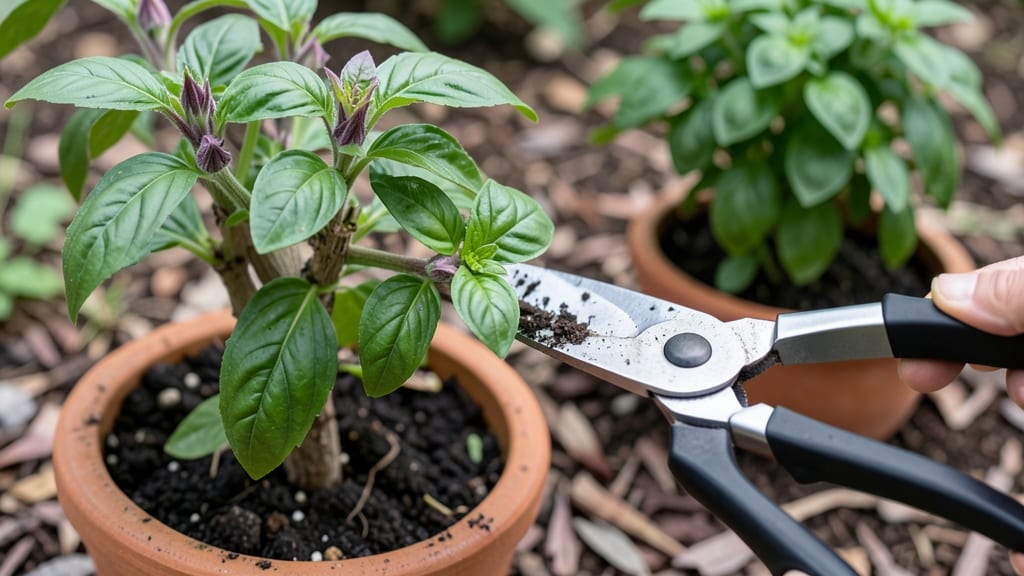
Watch this how to prune basil video—it’s the game-changer you need to unlock three times more harvests from the same plant. 🌿 I’ve learned the hard way that skipping this step means leggy stems and sparse leaves, but the right cuts transform your basil into a bushy, productive powerhouse.
The secret lies in where and when you snip, and I’ll walk you through every detail so your plants stay lush and keep producing all season.
You’ll only need sharp scissors or pruning shears, a clean container for clippings, and about 10 minutes of your time. The key is cutting just above a leaf node—the spot where leaves meet the stem—never the woody base.
Start when your basil has 4-6 sets of leaves, and repeat every 2-3 weeks to encourage branching. This isn’t complicated, but precision matters: one wrong cut can stunt growth for weeks.
What you’ll end up with is a basil plant that’s thicker, fuller, and packed with flavor—the kind that makes your kitchen smell amazing and your pesto recipes shine. Pruned plants also resist bolting (that bitter flowering stage) and stay productive for months longer than unpruned ones.
Plus, those clippings? Perfect for propagation or fresh cooking. It’s the little habit that changes everything.
This method works for container-grown basil or garden beds, whether you’re growing in full sun or partial shade. The only rule is consistency—skip a pruning, and your plant will tell you about it with long, bare stems. Let’s get those shears ready and turn your basil into a harvest machine.
📚 In This Guide
- What you need
- Instructions
- Tips and common mistakes
- Wrapping up and next steps
What you need
- ● Fresh basil plant(s): Healthy, mature plants (at least 6–8 inches tall) for pruning. Look for vibrant green leaves and sturdy stems.
- ● Sharp pruning shears or scissors: Must be clean and sterilized (rubbing alcohol works!) to prevent disease. Avoid dull tools—they crush stems instead of cutting cleanly.
- ○ Gloves (optional but recommended): Protects your hands from sap and thorns (yes, basil has tiny ones!). Lightweight gardening gloves are ideal.
- ● Small container or bucket: For collecting pruned stems or clippings (great for propagation or compost!).
- ● Disinfectant spray or hydrogen peroxide (3%): Quickly sanitize tools between cuts to keep your basil disease-free.
- ● Water spray bottle: Lightly mist the plant post-pruning to reduce stress (especially in hot weather).
- ● Labeling tags or markers: If propagating cuttings, label them with the date and variety (e.g., Genovese, Thai, or Purple basil).
- ● Pruning guide or ruler: Helps maintain consistent cuts (aim for just above a leaf node or pair of leaves).
How to prune basil for bushier growth
Here's the method I've used for years to keep basil lush and productive—no guesswork, just proven cuts.
✂️ Step 1: Identify the Right Time to Prune
Prune basil in the morning when temperatures are coolest—this reduces stress on the plant. Look for stems with at least 4-6 true leaves (the second set after the initial seed leaves). These are ready for their first haircut. I always check for new flower buds too—if you see them, pinch those off immediately. Flowering signals the plant to stop producing leaves and focus on seeds, which ruins your harvest.
Use clean, sharp pruners or scissors to make clean cuts. Dull blades crush stems and invite disease. You'll know it's time to prune again when the plant has 6-8 inches of new growth since the last cut. This keeps basil compact and encourages multiple branching stems.
🌿 Step 2: Make the Correct Cuts for Bushiness
Pinch or cut just above a set of leaves where two leaves meet the stem—this is called the leaf node. Avoid cutting the main stem itself unless you're harvesting the entire plant. For bushier growth, focus on cutting back the outer stems first. This redirects energy toward producing new side shoots rather than just vertical growth.
Never remove more than one-third of the plant in a single pruning session. I like to take 2-3 outer stems at a time, leaving the center intact. This maintains the plant's structure while encouraging fuller growth. If you cut too much at once, basil can become leggy and weak as it struggles to recover.
⏰ Step 3: Maintain Regular Pruning Through the Season
Prune basil every 2-3 weeks during the growing season to keep it productive. The key is consistency—skip a pruning, and you'll end up with a tall, woody plant that's past its prime. Watch for new growth at the leaf nodes after each pruning; this is your signal that the plant is responding well.
As summer progresses, reduce pruning frequency slightly—every 3-4 weeks—since basil grows faster in warm weather. Always prune just above a leaf node, never at a joint where leaves have already fallen off. This ensures the plant continues to branch out rather than grow sparse and leggy.
☀️ Step 4: Handle Late-Season Pruning for Next Year
In late summer or early fall, when temperatures drop below 50°F, basil slows its growth. This is the time to give it a final light pruning to tidy up the plant. Cut back any leggy stems or damaged leaves, but avoid heavy pruning. The goal now is to keep the plant healthy until a light frost kills it—you'll want those last harvests!
If you're growing basil in a container, you can bring it indoors before the first frost and prune it back by half to encourage a fresh flush of growth. Place it near a sunny window or under grow lights for 12-14 hours of light daily. This extends your harvest season and gives you a head start for next year's plants.
Tips & tricks for perfect basil pruning
Here's what nobody tells you about keeping your basil thriving—these tricks make all the difference between a bushy, productive plant and one that peters out.
Timing Secret: The morning after a light rain is actually the best time to prune—soil moisture helps reduce stress on the plant. I've found that cutting just before noon gives basil enough sunlight to recover quickly, but if you must prune later, avoid the hottest afternoon hours when evaporation rates spike. This is especially important when you're working with those 6-8 inches of new growth between prunings.
Precision Cutting: Use your thumb and forefinger to gently squeeze the stem just below the leaf node before cutting—this helps identify the exact spot where the new growth will emerge. I've ruined several plants by cutting too close to the node, which stunts growth. For that first haircut, focus on stems with 4-6 true leaves and avoid any stems showing signs of yellowing, which indicates stress or disease.
Seasonal Adjustments: When temperatures drop below 50°F in late summer, basil's growth slows dramatically. This is when I switch to a more gentle pruning approach—just removing any damaged leaves and leggy stems rather than aggressive cutting. The goal shifts from encouraging new growth to preserving what's already there until frost. For container-grown basil, the 12-14 hours of light daily becomes critical for indoor survival during these cooler months.
Pro Tips for Prune Basil Video
- Here's what nobody tells you about keeping your basil thriving—these tricks make all the difference between a bushy, productive plant and one that peters out.
- Timing Secret: The morning after a light rain is actually the best time to prune—soil moisture helps reduce stress on the plant.
- Precision Cutting: Use your thumb and forefinger to gently squeeze the stem just below the leaf node before cutting—this helps identify the exact spot where the new growth will emerge.
Frequently asked questions
When is the best time to prune basil?
Prune basil regularly during its growing season (spring to fall). For container-grown basil, start pruning when the plant reaches about 6 inches tall. If growing outdoors, pinch back stems in early summer to encourage bushier growth before flowering. Avoid pruning in winter or during cold snaps.
How much should I trim off each time?
Remove about 1/3 of the plant’s height in each pruning session. Focus on the top sets of leaves (about 2–4 inches) to promote branching. Never cut more than 30% at once—this can stress the plant. For established plants, you can harvest up to half the leaves without harming growth.
What if my basil keeps flowering? Will pruning stop it?
Pruning can slow flowering but won’t stop it entirely, especially in warm climates. To maximize leaf production, prune above a leaf node (where leaves meet stems) and remove flower buds as soon as they appear. If your basil bolts (sends up a tall flower stalk), it’s past saving for leaf harvests—save seeds instead!
Can I prune basil with dull scissors?
No!
Always use clean, sharp pruners or scissors to avoid crushing stems or spreading disease. Dull tools cause jagged cuts that heal poorly. Sterilize your tools with rubbing alcohol between plants. For small jobs, kitchen shears work—just wipe them down first!
What should I do if my basil turns yellow after pruning?
Yellowing leaves post-pruning usually mean over-pruning, underwatering, or nutrient deficiency. Check soil moisture (keep it consistently damp but not soggy) and fertilize lightly with a balanced liquid fertilizer. If only older leaves yellow, it’s normal—focus on new growth. Severe yellowing? Reduce pruning frequency and inspect for pests like aphids.
Pro Tip: Save your basil clippings!
Don’t toss pruned stems—propagate new plants! Place 3–4 inch cuttings in water or moist soil. Roots form in 1–2 weeks. This is a free way to expand your basil garden or share with neighbors!
Wrapping up and next steps
Pruning basil is your secret weapon for a thriving, flavorful herb garden—it’s easier than you think! 🌿 With the right cuts, you’ll encourage bushier growth, prevent legginess, and harvest more leaves for your favorite dishes. Remember: consistency is key, and always use clean tools to avoid damage.
Now that you’re ready to prune like a pro, grab your shears and get growing! Want to take it further? Check out our video guide for a visual walkthrough, or explore when and how often to harvest for the freshest basil all season. Happy gardening!