
Pruning
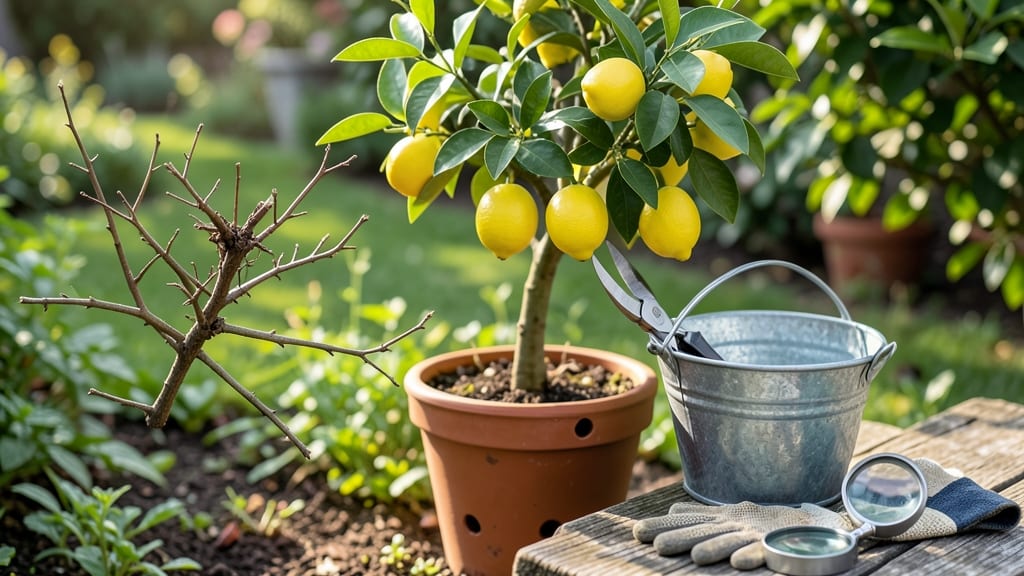
Pruning your small lemon tree isn’t just about shaping—it’s the secret to more fruit and stronger branches every season. 🌿 I’ve watched my citrus trees go from scraggly to productive just by following a few simple rules, and I’m sharing exactly what works (and what doesn’t).
The key? Timing, clean cuts, and knowing which branches to keep (and which to say goodbye to).
You’ll need just three tools: sharp pruning shears, rubbing alcohol for sterilizing cuts, and a pair of gloves to protect your hands from thorns. The best time to prune is late winter to early spring, but light trimming can happen year-round—just avoid heavy cuts during fruit set.
Start by removing dead, crossing, or diseased branches first; these are the easy wins that make all the difference.
What you’ll end up with is a tree that looks neat, balanced, and bursting with potential. New growth sprouts within weeks, and those little flower buds form the basis for next year’s lemons.
The smell of fresh citrus blossoms in spring? That’s the payoff of doing it right. Plus, your tree will handle storms and heavy fruit loads better than ever.
This method works for dwarf varieties, patio-sized trees, and even container-grown lemons. Whether you’re dealing with a leggy young tree or a mature one that’s gotten out of hand, these tricks keep it healthy, productive, and looking its best—no green thumb required. Let’s get those branches in shape!
📚 In This Guide
- What you need
- Instructions
- Tips and common mistakes
- Wrapping up and next steps
What you need
- ● Pruning shears (bypass or anvil type) – Choose sharp, clean shears (4-6 inches long) for clean cuts.
- ● Hand pruners (for smaller branches) – Look for ergonomic, high-quality pruners to avoid hand strain.
- ● Loppers (for thicker branches, ½–1 inch in diameter) – Opt for bypass loppers for precision cuts.
- ● Disinfectant (70% isopropyl alcohol or bleach solution) – Clean tools between cuts to prevent disease spread.
- ● Garden gloves (cut-resistant or heavy-duty) – Protects hands from thorns and sharp tools.
- ● Rubbing alcohol or hand sanitizer – For cleaning hands before and after pruning.
- ● Small bucket or bag – For collecting pruned branches and debris.
- ● Pruning saw (for very thick branches) – Use only if branches exceed 1–1.5 inches in diameter.
- ○ Tree wound dressing (optional) – Only use if sealing large cuts (controversial—many experts skip this!).
- ● Notebook & pen – To sketch your tree’s structure before pruning for reference.
- ● Ladder or sturdy step stool – For reaching higher branches safely.
- ● Spray bottle with water – To mist cuts and reduce stress on the tree.
Step-by-step instructions for pruning a small lemon tree
Here's the method I use to keep my dwarf lemon tree thriving—clean cuts, better airflow, and more fruit every year.
✂️ Step 1: Identify and Remove Dead or Diseased Branches
Start by inspecting the tree for any branches that are brown, brittle, or showing signs of disease like black spots or oozing sap. These are the first to go—they drain energy from healthy growth. Use clean, sharp pruning shears to make cuts just outside the branch collar, the swollen area where the branch meets the trunk.
I always prune dead wood first because it's the easiest to spot. If you're unsure, gently scratch the bark with your fingernail—if it's green underneath, it's still alive. Remove any crossing branches too; they rub against each other and create wounds that invite pests. This step keeps your tree's energy focused on producing fruit, not fighting infections.
✂️ Step 2: Thin Out Overcrowded Growth for Better Airflow
Look for branches growing inward or rubbing against others. These need to go—they block sunlight and air circulation, which leads to fungal issues. Aim to create an open center by removing about 20-30% of the tree's foliage in this step. I like to step back every few cuts to visualize the tree's shape from all sides.
Focus on removing smaller branches first—they're easier to prune and less likely to leave large wounds. If you're unsure which to cut, imagine sunlight streaming through the center of the tree. You want that light to reach all the way to the trunk. This thinning encourages stronger, fruit-bearing branches to develop along the outer canopy.
☀️ Step 3: Shape the Tree for Optimal Sun Exposure
Lemon trees need 6-8 hours of direct sunlight daily, so your goal is to create a balanced shape that lets light penetrate evenly. Start by identifying the tree's main scaffold branches—the thick, sturdy limbs that form the tree's structure. These should be spaced 6-12 inches apart along the trunk.
Use hand pruners to trim back any branches that are growing too close together or competing for sunlight. Cut just above an outward-facing leaf bud to encourage new growth in the right direction. For dwarf varieties, keep the tree's height manageable—4-6 feet tall—so you can easily reach the fruit when it's ready to pick.
⏰ Step 4: Prune for Fruit Production (Best Done in Late Winter)
The best time to prune for fruit is just before new growth begins, usually in late winter or early spring. Look for branches that have borne fruit last season—they'll have smaller, less vigorous growth. These branches need to be pruned back by about one-third to encourage new fruit-bearing wood to form.
I also cut back any "water sprouts"—those fast-growing, vertical shoots that pop up in the center of the tree. They're weak and rarely produce fruit. Instead, they steal energy from the rest of the tree. By removing them, you're redirecting that energy to the branches that will give you lemons. Always make cuts at a 45-degree angle just above a leaf bud to promote healthy regrowth.
🌿 Step 5: Clean Up and Monitor for New Growth
After pruning, rake up all the fallen leaves and small branches to reduce the risk of disease. Sterilize your pruning tools with rubbing alcohol to prevent spreading any pathogens between cuts. Now, keep an eye on the tree—within 2-4 weeks, you should see new growth emerging from the pruned areas.
This is your signal that the pruning worked. New shoots will be tender and bright green. If you notice any yellowing leaves or slow growth, it might mean the tree is stressed—give it a little extra water and a balanced fertilizer to help it recover. Regular pruning like this keeps your lemon tree healthy, productive, and easy to manage year after year.
Tips & tricks for pruning a small lemon tree
Between us, pruning a lemon tree is one of those tasks that looks simple but can make or break your harvest if you don't nail the details. Here's what nobody tells you about getting it right.
Tool Prep is Non-Negotiable: Sterilize your pruning shears with rubbing alcohol before you start—and between cuts if you're working on multiple branches. I learned this the hard way after my tree developed a mysterious fungal infection that traced back to contaminated tools. Sharp tools also make cleaner cuts, which heal faster. Invest in a good pair of bypass pruners for clean cuts on branches up to ½-inch thick, and a small handsaw for anything thicker.
Timing Secret for Fruit Production: That one-third pruning back of fruit-bearing branches in Step 4? It's not arbitrary. Lemon trees produce fruit on new wood, so cutting back old branches by about one-third encourages vigorous new growth where next year's fruit will form. I mark these branches with a bit of paint in late winter so I don't accidentally prune them again later in the season. And remember—this is best done in late winter or early spring, just before new growth begins.
Visual Cue for Perfect Cuts: When making cuts in Steps 1 and 4, aim for a 45-degree angle just above an outward-facing leaf bud. This isn't just about looks—it creates a natural shield that protects the cut from water damage. Think of it like creating a tiny roof over the bud. For thicker branches, make the first cut slightly below the branch collar (that swollen area where the branch meets the trunk) to prevent tearing. The second cut should be just outside that collar to promote faster healing.
Year-Round Pruning Strategy: While late winter is prime time, you can do light maintenance year-round. In summer, remove any suckers (those vigorous shoots at the base) and water sprouts (vertical shoots in the center) as they appear. These steal energy from fruit production. Just avoid heavy pruning during flowering or fruiting seasons—you don't want to stress the tree when it's already working hard to produce lemons.
Pro Tips for Prune A Small Lemon Tree
- Between us, pruning a lemon tree is one of those tasks that looks simple but can make or break your harvest if you don't nail the details.
- Tool Prep is Non-Negotiable: Sterilize your pruning shears with rubbing alcohol before you start—and between cuts if you're working on multiple branches.
- Timing Secret for Fruit Production: That one-third pruning back of fruit-bearing branches in Step 4?
Frequently asked questions
Got questions about pruning your small lemon tree? You’re not alone! Here are some of the most common concerns—plus clear, actionable answers to keep your citrus thriving.
When is the best time to prune a lemon tree?
The ideal window is late winter or early spring, just before new growth begins. This helps avoid stressing the tree during dormant periods. Light pruning can also happen in summer after harvest to improve airflow—but skip heavy cuts then! Avoid pruning in fall or winter in cold climates, as frost damage risks rise.
How much should I cut back a small lemon tree?
For young trees, remove no more than 25% of the foliage in one session. Focus on dead, crossing, or overcrowded branches first. Mature trees can tolerate slightly more (up to 30%), but prioritize structure over quantity. Think of it like a haircut—better to trim gradually than overdo it!
Will pruning reduce my lemon harvest?
Not if done right! Pruning actually boosts fruit quality by redirecting energy to remaining branches. However, over-pruning (especially on young trees) can delay fruiting. Balance is key: remove only weak growth and leave enough leaves for photosynthesis. Patience pays off—healthy trees rebound with bigger, sweeter lemons!
What if my lemon tree’s leaves turn yellow after pruning?
Yellowing leaves often signal stress, but it’s usually temporary. Ensure you’re not cutting into old wood (lemon trees heal poorly there). Water deeply post-prune and fertilize lightly with citrus-specific food to aid recovery. If yellowing persists, check for pests or nutrient deficiencies (like iron or nitrogen).
Can I prune a lemon tree in a pot the same way?
Yes! Potted lemon trees follow the same rules, but watch for root-bound stress. Prune lightly to avoid shocking the tree, and repot every 2–3 years to refresh soil. Since pots limit growth, prioritize airflow and light exposure—trim only to shape or remove deadwood. Dwarf varieties need even less aggressive pruning!
Still unsure? Snap a photo of your tree’s branches and compare them to the steps above—you’ve got this!
Wrapping up and next steps
Pruning your small lemon tree doesn’t have to be intimidating—with the right tools, timing, and technique, you’ll encourage healthier growth and more abundant fruit in no time! 🌿✨ Remember to focus on removing dead wood, thinning crowded branches, and shaping for airflow, while always sterilizing your tools to prevent disease.
Now that you’re armed with these year-round tricks, grab those pruners and give your tree the TLC it deserves.
Ready to take it further? Monitor your tree’s progress after each pruning session and adjust as needed—your lemon tree will thank you with juicy, homegrown rewards! 🍋💚