
Pruning
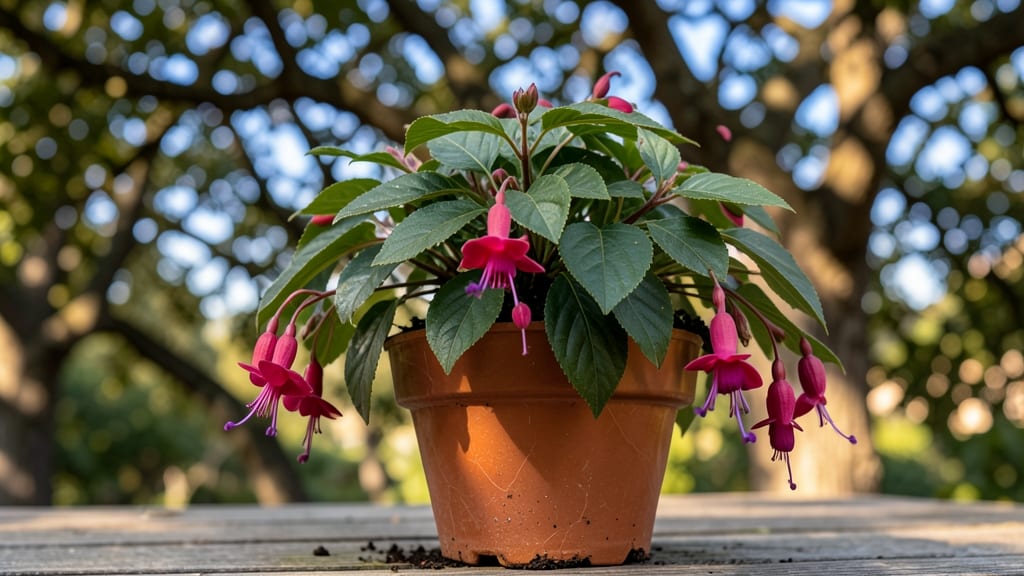
Pruning a fuchsia isn’t just about trimming—it’s about waking up those dormant canes for a showstopping display next season. ✨ I’ve spent years perfecting my late-winter prune, and the difference between a leggy, sparse plant and a bushy, blooming masterpiece comes down to timing, technique, and a little patience.
The key? Cutting back one-third of the old growth while leaving the new framework intact—this forces fresh, vigorous growth that blooms like crazy in summer.
You’ll need just two things: a pair of clean, sharp pruners (sterilized with rubbing alcohol) and a sunny spot to admire your work. The best time is late February to early March, right before new growth starts.
If you’re in a warmer zone, wait until after your last frost—fuchsias hate cold snaps after pruning. Most people over-prune, leaving too many bare stems; instead, aim for a balanced shape with 3-5 strong canes per plant.
What you’ll end up with is a fuchsia that looks like it just came from a nursery—fuller, bushier, and packed with buds. The secret is in the cuts: always trim just above a leaf node (where leaves meet the stem) at a 45-degree angle to prevent water pooling.
Pinch back the tips of new growth in early summer for even more branching, and you’ll have a plant that’s the envy of every patio.
This method works for both hardy and tender fuchsias, though tender varieties need extra protection if your winters dip below 20°F. A quick tip: save your pruned canes! Dip them in rooting hormone and propagate new plants for free.
The first year after pruning might feel slow, but by next summer, your fuchsias will be bursting with blooms—and you’ll wonder why you didn’t do this sooner.
📚 In This Guide
- What you need
- Instructions
- Tips and common mistakes
- Wrapping up and next steps
What you need
- ● Pruning shears or bypass pruners: Choose sharp, clean shears with a 4- to 6-inch blade for precision cuts. Avoid dull tools—they crush stems and invite disease! 🌿
- ● Garden gloves: A pair of nitrile-coated or leather gloves (size medium or large) to protect your hands from thorns and sap.
- ● Disinfectant (70% isopropyl alcohol or hydrogen peroxide): A small bottle (4 oz) to sterilize tools between cuts and prevent bacterial spread.
- ● Rubbing alcohol wipes: A pack of 50+ wipes for quick tool cleanups in the field.
- ● Hand pruners (felco or similar): For smaller branches or tight spaces.
- ● Sharpie or permanent marker: To label cuttings if you’re propagating new plants.
- ● Plastic bags or containers: For collecting pruned cuttings (if rooting them).
- ● Compost bin or brown paper bag: To dispose of larger pruned debris.
- ● Choose a dry, overcast day to minimize stress on the plant.
- ● Work when the plant is dormant (late winter/early spring) for best results.
- ● Have a clear workspace—lay down a tarp or old sheet to catch debris.
Step-by-Step instructions for pruning a fuchsia
Here's the straightforward method I use every fall to keep my fuchsias thriving year after year.
✂️ Step 1: Wait for the Right Time
Prune fuchsias only after they've gone completely dormant and lost all leaves—usually in late fall or early winter after the first hard frost. You'll know it's time when the canes look bare and brittle, not green or woody. Pruning too early removes next year's flower buds hidden in the leaf axils.
I always wait until the soil feels cold to the touch and the canes snap easily when bent. This timing ensures the plant has fully prepared for dormancy and won't waste energy on new growth. The exact moment varies by climate, but aim for 4-6 weeks after your first frost.
✂️ Step 2: Cut Back to 2-3 Inches Above a Bud
Using clean, sharp pruners, cut each cane back to 2-3 inches above a healthy outward-facing bud. This encourages new growth to branch out instead of growing straight up. I make my cuts at a slight angle just above the bud to prevent water from pooling and rotting the stem.
Don't worry about cutting back hard—fuchsias are tough and will regrow vigorously from the base. If you have multiple canes, thin them out to 4-6 of the strongest stems per plant. This improves airflow and makes next year's blooms even more abundant.
✂️ Step 3: Remove Dead or Weak Growth
Inspect each cane carefully and cut out any that are completely dead, diseased, or showing signs of pest damage. Look for stems that are hollow, discolored, or have blackened spots. These won't regrow properly and will only take energy from healthier canes.
I also remove any crossing or rubbing branches that might create wounds where pests can enter. The goal is to leave a clean, open structure that will encourage strong new growth in spring. If your plant has leggy growth, cut those back more aggressively to 6-8 inches tall.
🌱 Step 4: Clean Up and Store for Winter
After pruning, gather all the cuttings and dispose of them in the trash—not the compost pile—to prevent spreading any potential diseases. I like to soak my pruners in rubbing alcohol for a minute between cuts to keep them sterile.
For container-grown fuchsias, move them to a protected location like a garage or unheated shed. Keep them in their pots and barely moist—just enough to prevent the roots from drying out completely. If you're growing in the ground, mulch heavily around the base with 2-3 inches of organic mulch to protect the roots from freezing temperatures.
☀️ Step 5: Prepare for Spring Growth
In early spring, before new growth appears, give your fuchsias a light feeding with a balanced fertilizer. I use a 10-10-10 formula diluted to half strength to encourage strong new shoots. Water lightly but consistently to keep the soil evenly moist.
Watch for new growth to emerge from the base—this is your signal that the plant is waking up. Once you see 2-3 inches of new growth, you can start fertilizing more regularly and preparing for the blooming season. The pruning you did now will pay off with fuller, bushier plants and even more vibrant flowers next year.
Tips & tricks for pruning fuchsias
These simple tricks will help you prune your fuchsias like a pro and set them up for a spectacular blooming season.
Timing is Everything: The 4-6 week window after your first frost is critical because this is when fuchsias have fully transitioned to dormancy. I've learned the hard way that pruning too early—when buds are still forming—can mean fewer flowers next year. Look for canes that snap easily when bent; that's your cue they're ready. If you're in a warmer climate, wait until daytime temperatures consistently drop below 50°F.
Bud Selection Matters: When cutting back to 2-3 inches above a bud in Step 2, always choose an outward-facing bud. This creates a more bushy plant with better airflow between branches. I like to make my cuts at a slight angle just above the bud to prevent water from sitting on the cut surface, which can cause rot. If you're unsure which buds are facing outward, hold the cane up to a light source—the buds with the most visible "eyes" are your best bet.
Cleanliness Prevents Problems: The clean-up step in Step 4 isn't just about tidiness—it's about plant health. Soaking your pruners in rubbing alcohol between cuts prevents spreading diseases from one plant to another. I keep a small bottle of 70% isopropyl alcohol handy and wipe down my tools after every few cuts. Also, never compost pruned fuchsia canes—they can harbor fungal spores that might infect your garden next season.
Winter Care Wins: For container-grown fuchsias, I've found that storing them in a garage with temperatures between 35-45°F works perfectly. The key is to keep them barely moist—just enough to prevent complete desiccation. If you're growing in the ground, that 2-3 inches of organic mulch is your best friend for insulating roots. I like to use straw or shredded leaves because they break down slowly and add nutrients to the soil as they decompose.
Pro Tips for Prune A Fuchsia
- These simple tricks will help you prune your fuchsias like a pro and set them up for a spectacular blooming season.
- Timing is Everything: The 4-6 week window after your first frost is critical because this is when fuchsias have fully transitioned to dormancy.
- Bud Selection Matters: When cutting back to 2-3 inches above a bud in Step 2, always choose an outward-facing bud.
Frequently asked questions
about pruning fuchsias—your go-to guide for quick answers! Whether you're a first-timer or a seasoned gardener, these tips will help you tackle pruning like a pro.When is the best time to prune fuchsias?
Prune after the first frost (late fall or early winter) when the plant is dormant. This gives your fuchsia time to heal before new growth starts in spring. Avoid pruning in spring—you’ll miss the blooms! For tropical varieties, prune lightly in early spring instead.
Can I prune fuchsias in winter?
Yes! Winter is ideal for hard pruning (cutting back by ⅓ to ½) since the plant is dormant. Just wait until temperatures drop below freezing for a few days to ensure no new growth. If you live in a mild climate, prune in late fall before cold snaps hit.
What if I prune at the wrong time?
Pruning too early (spring) risks stunting blooms, while pruning too late (late spring/summer) may encourage weak, leggy growth. If you accidentally prune in spring, don’t stress—just focus on deadheading spent blooms to redirect energy. Your fuchsia is resilient!
Should I prune fuchsias every year?
Yes! Annual pruning keeps your fuchsia healthy and bushy. Hard prune (cutting back significantly) every 2–3 years to rejuvenate older plants. Light trimming (removing dead or overcrowded stems) can happen yearly. Think of it as a spa day for your plant!
What if my fuchsia doesn’t bloom after pruning?
Check these fixes:
- Ensure you’re pruning after blooming season (not during).
- Use clean, sharp shears to avoid disease.
- Fertilize lightly in spring with a balanced bloom booster.
- Place in bright, indirect light (too much shade = fewer blooms).
Wrapping up and next steps
Pruning your fuchsia doesn’t have to be intimidating—it’s all about giving your plant the care it needs to thrive!
By following these steps, you’ll encourage healthier growth, more abundant blooms, and stronger canes for next season. 🌸 Now that you’re equipped with the know-how, grab those shears and get ready to transform your fuchsia into a stunning centerpiece!
Ready to take it further? Experiment with different pruning techniques or even propagate those cuttings to share with fellow gardeners. Happy pruning—your fuchsia will thank you with a burst of color! 🌟