
How To
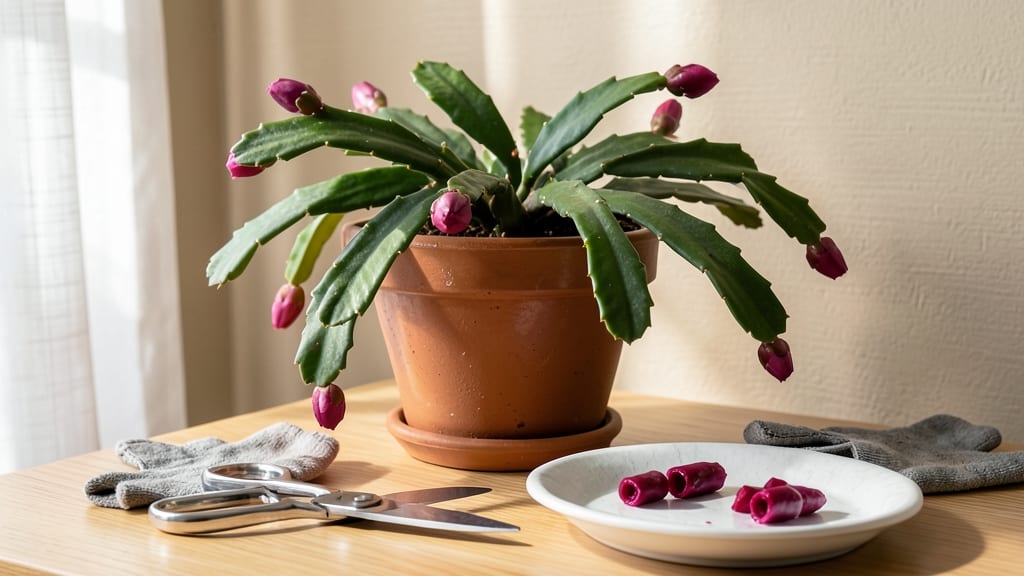
Pruning your Christmas cactus after the holiday blooms transforms it from a one-time showstopper into a year-round blooming machine. 🌟 I’ve turned my sparse, leggy plant into a bushy, flower-covered beauty by mastering just two simple cuts—timed perfectly for maximum impact.
The secret lies in waiting until 4-6 weeks after blooming when the plant signals new growth. Grab clean, sharp scissors, snip just above a leaf joint (never the middle of a segment), and watch as your cactus responds with denser foliage and bigger blooms next season.
Over-pruning? That’s the real killer—stick to removing only 1-2 segments per stem to avoid stressing the plant.
📚 In This Guide
- What you need
- Instructions
- Tips and common mistakes
- Wrapping up and next steps
What you need
- ● Pruning shears or sharp scissors: Use sterilized tools to avoid spreading disease. A small pair of bypass pruners (1.5–3 inches) works best for precision cuts.
- ● Rubbing alcohol (70% isopropyl): Wipe down tools before and after pruning to keep them clean.
- ○ Gloves (optional but recommended): Protect your hands from potential mild irritants like cactus sap or thorns.
- ● Small container or tray: A shallow dish (like a 9-inch baking tray) to collect cuttings for propagation.
- ○ Rooting hormone (optional but helpful): A powder or gel (like Clonex or Rootone) to boost root growth if you’re propagating cuttings.
- ● Well-draining potting mix: A cactus/succulent blend or regular potting soil mixed with perlite or sand (1:1 ratio) for repotting.
- ● Water spray bottle: For lightly misting cuttings or new plants to keep them hydrated without overwatering.
- ● Timing: Prune after blooming (late winter/early spring) or before new growth begins (summer). Avoid pruning during dormancy (fall/winter).
- ● Healthy plant: Skip pruning if your cactus is stressed, wilting, or diseased. Focus on recovery first!
- ● Light conditions: Ensure your cactus gets bright, indirect light (like an east-facing window) for 6–8 hours daily post-pruning.
- ● Patience: Propagation takes 4–8 weeks for roots to form—don’t rush it!
Step-by-step guide to pruning your Christmas cactus
Here's how I keep my plants blooming reliably every holiday season—no guesswork, just precise timing and technique.
✂️ Step 1: Identify the Right Time to Prune
The best time to prune your Christmas cactus is right after blooming, typically in late January or early February. This gives the plant time to recover before its natural growth cycle resumes in spring. Look for spent flower stems—they'll appear brown and shriveled while the rest of the plant stays vibrant green.
Don't wait until summer to prune. Pruning too late delays the plant's energy storage for next year's blooms. I always check the calendar and mark my pruning reminder for 6-8 weeks after the last flower falls. This timing ensures the plant has time to regenerate before its next growth phase.
🌿 Step 2: Prepare Your Tools and Workspace
Gather clean, sharp pruning shears or scissors—dull tools crush stems and create wounds that invite rot. I wipe mine with rubbing alcohol before and after use to prevent bacterial transfer between plants. You'll also need a small container for cuttings and a spray bottle with water.
Work in a well-lit area with good airflow, but avoid direct sunlight that could stress the cuttings. Lay down newspaper or a tray to catch any fallen segments. The goal is to create a clean workspace that minimizes stress on both the mother plant and your future cuttings.
✂️ Step 3: Make Clean Cuts for Healthy Growth
Locate the joints between segments—these are the natural breaking points where the plant will regenerate most successfully. Using your shears, make a clean cut at a 45-degree angle just above a joint. This angled cut provides more surface area for root development when you propagate the cuttings.
Remove only 1/3 of the plant at most—this maintains the plant's shape while encouraging bushier growth. Discard any segments that show signs of disease or rot. I like to take cuttings from the outer segments first, which helps maintain the plant's natural shape and prevents it from looking too bare.
🌱 Step 4: Propagate Cuttings for Free New Plants
Place the cuttings in your container, leaving them to air-dry for 1-2 days in a warm, shaded spot. This callusing period prevents rot when you eventually plant them. After drying, insert each cutting 1-2 inches deep into a well-draining cactus mix or a blend of perlite and potting soil.
Keep the soil slightly moist (not soggy) and place the container in bright, indirect light. You'll see new roots forming in 4-6 weeks, signaled by fresh green growth at the base. This is where the magic happens—I always keep a few cuttings from each pruning to expand my collection.
☀️ Step 5: Care for the Pruned Plant Through the Year
After pruning, move your Christmas cactus to a location with bright, indirect light—direct sun can scorch the leaves. Water only when the top inch of soil feels completely dry, typically every 1-2 weeks in spring/summer and every 3-4 weeks in fall/winter. Overwatering is the #1 killer of these plants.
To encourage blooming for next holiday season, reduce watering in late summer and provide 12-14 hours of darkness daily starting in October. This mimics the plant's natural short-day conditions. You'll see tiny flower buds forming along the segments in 6-8 weeks, and with proper care, you'll have another stunning display.
Tips & tricks for perfect Christmas cactus pruning
These precise techniques will help you maintain a lush, blooming Christmas cactus that delivers stunning holiday displays year after year.
Timing is Everything: The 6-8 week window after blooming is critical for your plant's recovery. Mark your calendar now for late January or early February—this timing ensures your Christmas cactus has ample time to regenerate before its spring growth spurt. I've found that pruning too early can leave the plant vulnerable to stress, while waiting too long reduces its ability to store energy for next year's flowers. The key is watching for those spent flower stems to completely brown and shrivel before you begin.
Tool Preparation Matters: Your pruning shears or scissors should be as sharp as possible—dull tools crush the plant tissue and create wounds that invite rot. I've learned the hard way that even slightly dull blades can compromise the health of both your mother plant and cuttings. Always wipe your tools with rubbing alcohol before and after use to prevent bacterial transfer between plants. This simple step can mean the difference between healthy propagation and failed cuttings.
Cutting Technique for Success: That 45-degree angle cut just above the joint isn't just aesthetic—it's essential for successful propagation. The angled cut provides more surface area for root development when you plant your cuttings. I recommend practicing this technique on a few segments first to get comfortable with the pressure needed. Too much pressure can crush the delicate tissue, while too little may not create a clean break. Aim for segments that are healthy and free of disease, and remember to never remove more than one-third of the plant at once.
Propagation Environment: The 1-2 day air-drying period is crucial for preventing rot in your cuttings. Place them in a warm, shaded spot away from direct sunlight during this callusing phase. I've had the best success using a small container with a paper towel to absorb any excess moisture. After planting, maintain slightly moist (not soggy) soil and bright, indirect light. You'll notice new roots forming in about 4-6 weeks when you see fresh green growth at the base of your cuttings—this is your signal that propagation is successful.
Pro Tips for Prune A Christmas Cactus
- These precise techniques will help you maintain a lush, blooming Christmas cactus that delivers stunning holiday displays year after year.
- Timing is Everything: The 6-8 week window after blooming is critical for your plant's recovery.
- Tool Preparation Matters: Your pruning shears or scissors should be as sharp as possible—dull tools crush the plant tissue and create wounds that invite rot.
Frequently asked questions
Got questions about pruning your Christmas cactus? You’re not alone! Here are some of the most common concerns—plus straightforward answers to keep your plant thriving and blooming beautifully.
When is the best time to prune a Christmas cactus?
Prune your Christmas cactus after it finishes blooming (late winter to early spring) or in early summer. Avoid pruning in fall—this is when the plant prepares for its next bloom cycle. If you’re propagating cuttings, summer is ideal for rooting success!
How much should I cut off when pruning?
Remove up to one-third of the plant’s segments (flat pads) per pruning session. Focus on leggy or overgrown stems to encourage bushier growth. Never cut more than 2-3 segments at once—this can stress the plant. Think of it as a gentle haircut, not a buzz cut!
Can I prune a Christmas cactus too much?
Yes! Over-pruning (cutting too aggressively or too often) can weaken your plant, reducing its ability to bloom. Stick to once a year (post-bloom) and avoid trimming more than 30% of the plant annually. If you notice yellowing or sparse growth, you may have pruned too much.
What should I do if my Christmas cactus doesn’t bloom after pruning?
Blooming issues often stem from light, temperature, or watering mismatches. Ensure your plant gets 12-14 hours of indirect light daily and a cool (50–60°F) nighttime for 6–8 weeks before blooming season. Pruning alone won’t trigger flowers—pair it with proper care for best results!
Can I prune a Christmas cactus in winter?
Not ideal! Winter is the plant’s dormant period—pruning now can disrupt its energy reserves. If you must trim (e.g., damaged segments), do so sparingly and avoid heavy cuts. Wait until spring or summer for full pruning sessions. Patience pays off with bigger, brighter blooms next holiday!
Pro Tip:
Use a sharp, sterile pair of scissors or pruning shears to avoid crushing stems. Dip cut ends in cinnamon powder (natural antifungal) before propagating or repotting. This keeps your cactus healthy and ready for its next growth spurt!
Wrapping up and next steps
Pruning your Christmas cactus isn’t just about keeping it tidy—it’s the secret to longer, healthier blooms and a thriving plant year after year! 🌸 By following these simple steps, you’ll encourage fuller growth, prevent overcrowding, and enjoy stunning holiday flowers for seasons to come.
Now that you’re equipped with the know-how, grab those sterilized scissors and give your cactus the TLC it deserves.
Ready to take it further? Next, explore how to repot your Christmas cactus or troubleshoot common issues—like leggy stems or sparse blooms—to keep your plant happy and flourishing! 🌱