
How To
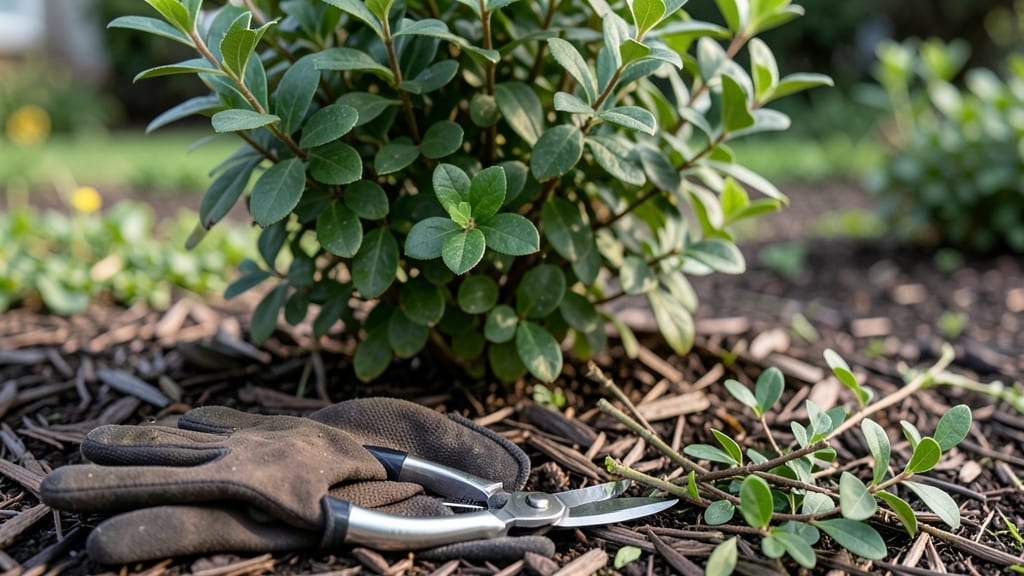
Pruning blueberry bushes in late winter reveals their hidden potential—disease-free canes and next year’s fruit load start with just a few sharp cuts. ✂️ I’ve watched my bushes go from tangled messes to productive powerhouses after mastering this one seasonal ritual.
The key? Timing, tools, and knowing which branches deserve to stay—and which need to go.
You’ll need clean pruners, a glove, and a bucket for clippings, plus a clear morning to work when the bush is dry. The goal is simple: remove dead wood, thin crowded stems, and shape the bush into an open vase form.
This isn’t about creating art—it’s about airflow and sunlight reaching every berry-laden branch. One wrong cut can set you back a season, but the right technique guarantees stronger growth and sweeter harvests.
📚 In This Guide
- What you need
- Instructions
- Tips and common mistakes
- Wrapping up and next steps
What you need
- ● Pruning shears – Sharp, bypass-style shears (4-6" blades) for clean cuts on small to medium branches.
- ● Loppers – For thicker canes (up to 2" diameter), opt for bypass loppers with long handles for leverage.
- ● Pruning saw – A curved-tooth saw for large, woody stems (if your bush has thick canes).
- ● Disinfectant (70% isopropyl alcohol or bleach solution) – 1 part bleach to 9 parts water to sterilize tools between cuts and prevent disease spread.
- ● Gloves – Heavy-duty, cut-resistant gloves to protect your hands from thorns and rough branches.
- ● Garden twine or rubber bands – To bundle and label canes if you’re practicing selective pruning.
- ● Trash bag or bucket – For collecting pruned branches (avoid composting diseased or infested wood).
- ● Hand pruners with a by-pass blade – For precision cuts on delicate new growth.
- ● Extension pole pruners – If your bush is tall or hard to reach.
- ● Labeling tags – For marking canes if you’re experimenting with pruning techniques.
- ● Knee pads or a small stool – For comfort during long pruning sessions.
- ● Rake or broom – To clean up fallen debris after pruning.
Step-by-step guide to pruning blueberry bushes
Reviving your blueberry bush starts with sharp tools and a clear plan—here’s how to transform last year’s tangled mess into a productive, disease-resistant plant.
✂️ Step 1: Gather Tools and Prep the Workspace
You’ll need clean, sharp pruning shears (sterilize with rubbing alcohol) and gloves to protect from thorns. I always work on a dry day—wet conditions spread fungal spores, and blueberries hate soggy soil. Lay down a tarp or old sheet to collect debris and keep your workspace tidy. A bucket of soapy water nearby helps sanitize tools between cuts.
Blueberries respond best to pruning in late winter or early spring, just as buds swell but before new growth starts. This timing ensures you remove dead wood while leaving healthy canes to bear fruit. If your bush is young (under 3 years), hold off on heavy pruning—focus on shaping and removing only the worst offenders.
🌿 Step 2: Identify and Remove Dead or Diseased Canes
Start by scanning the bush for gray, brittle canes—these are dead and should be cut at the base. Next, look for mushroom-like growths or blackened stems (a sign of fungal disease). Snip these out immediately, then sterilize your shears again. Healthy canes have smooth, reddish-brown bark and green leaves when in season.
I always prune dead canes first because they crowd out healthy growth. If a cane is only partially diseased, cut it back to the last healthy section. Never leave infected wood—it’ll reinfect the bush. Toss diseased debris in the trash, not the compost, to prevent spreading pathogens.
✂️ Step 3: Thin Out Overcrowded Canes
Blueberries thrive when air circulates freely. Aim to keep 5-7 of the thickest, most vigorous canes—older bushes may need more. Remove any thin, weak, or crossing branches, cutting them at the base. Thin canes grow faster and produce larger berries, while crowded canes compete for nutrients and light.
Watch for canes growing inward—they’ll rub against each other, creating wounds where disease enters. You’ll see these as branches pointing toward the center of the bush. Cut them back to the main stem at a 45-degree angle, about ¼ inch above a bud (this prevents water from pooling).
☀️ Step 4: Shape the Bush for Light and Airflow
Step back and visualize sunlight reaching the center. Prune to create an open, vase-like shape—this lets light penetrate and air dry the canes, reducing fungal risks. Cut back any branches that block the middle, but avoid over-thinning. A mature bush should have a mix of old (wooden) and new (green) canes for balanced fruit production.
I like to leave 3-4 of the oldest canes—they bear the most fruit—while pruning younger canes back by ⅓ to encourage bushier growth. Never remove more than ⅓ of the bush’s total canes in one year, or you’ll shock the plant. After pruning, rake up debris and dispose of it properly to keep your blueberry patch healthy.
⏰ Step 5: Post-Pruning Care for Recovery
Water the bush deeply after pruning to help it recover. A 2-3 inch layer of mulch (like pine straw or wood chips) keeps roots cool and conserves moisture. Avoid fertilizing right away—wait until spring when new growth appears. You’ll know pruning worked when you see tight, upright canes with plump buds by early spring.
Real talk: Your first year might look messy, but consistency pays off. Blueberries reward patience—proper pruning leads to bigger berries and fewer pests. Mark the pruned areas with stakes if needed, so you remember where last year’s cuts were. Next season, focus on refining the shape and removing only the oldest canes.
Tips & tricks for pruning blueberry bushes
Here's what nobody tells you about pruning blueberries—these tricks make all the difference between a struggling bush and one that thrives.
Timing Secret: Late winter or early spring is your best window, but don't wait until buds actually swell. The ideal moment is when you can see buds forming but before they burst open. This timing lets you remove dead wood while preserving next year's fruit production. If you prune too early, you might miss some dead canes that weren't obvious. If you wait too long, you risk damaging new growth.
Tool Technique: Sterilize your pruning shears between every 3-4 cuts, especially when moving from diseased to healthy canes. I use rubbing alcohol on a paper towel and wipe them down thoroughly. This prevents cross-contamination that can spread fungal diseases throughout your bush. A sharp tool is also critical—dull shears tear wood instead of making clean cuts, which invites infection.
Visual Cues for Healthy Canes: Healthy blueberry canes have smooth, reddish-brown bark that's firm to the touch. When you see gray, brittle canes or ones with blackened areas, those are your first targets. Look for canes growing inward—they'll rub against each other and create wounds where pathogens enter. These are the sneaky culprits that often go unnoticed until it's too late.
Mulch Matters: After pruning, apply a 2-3 inch layer of organic mulch like pine straw or wood chips. This isn't just for looks—it keeps roots cool, conserves moisture, and prevents weeds that compete with your blueberries. I always add mulch right after pruning because it helps the bush recover faster by reducing stress on the root system. Just avoid piling mulch against the stem to prevent rot.
Pro Tips for Prune A Blueberry Bush
- Here's what nobody tells you about pruning blueberries—these tricks make all the difference between a struggling bush...
- Timing Secret: Late winter or early spring is your best window, but don't wait until buds actually swell. The ideal m...
- Tool Technique: Sterilize your pruning shears between every 3-4 cuts, especially when moving from diseased to healthy...
Frequently asked questions
Got questions about pruning blueberry bushes? You’re not alone! Here are answers to the most common concerns—from timing to troubleshooting—so you can prune like a pro and keep your bushes thriving for years.
When is the best time to prune blueberry bushes?
The ideal window is late winter or early spring (just before buds swell), while the bush is still dormant. This prevents stress and disease. Avoid pruning in fall—it invites pests and fungal infections. For everbearing varieties, a light prune after harvest (summer) can encourage fruit production next year.
How do I tell the difference between old and new canes?
Old canes are woody, gray, and often dead-looking (they’ve borne fruit before). New canes are green, flexible, and may have small buds. Always remove old canes first—they’re non-productive and crowd out younger growth. Pro tip: New canes produce 90% of your harvest!
What if I prune at the wrong time?
Pruning too early (mid-winter) can expose canes to frost damage, while late-spring pruning stresses the plant and attracts pests. If you miss dormant season, wait until after harvest (summer) for a light trim, but avoid heavy cuts. Patience is key! Over-pruning now won’t kill the bush, but it may reduce next year’s crop.
Can I prune blueberry bushes in containers?
Yes! Container-grown bushes follow the same rules, but with extra care. Prune dormant canes to maintain shape and airflow, and repot every 2–3 years to prevent root bound. Use well-draining soil and a pot with drainage holes—root health = berry success! Bonus: Containers let you move bushes to sunny spots if needed.
How do I clean pruning tools to prevent disease?
Always sterilize shears with rubbing alcohol or a 10% bleach solution between cuts. Wipe down tools after pruning to avoid spreading fungal spores (like mummy berry) or bacterial canker. Sharp, clean tools = healthier bushes! Store tools in a dry place when not in use.
Wrapping up and next steps
Pruning your blueberry bush during dormancy isn’t just about shaping—it’s a game-changer for healthier, fruitier plants! 🌿 By removing dead wood, thinning crowded canes, and promoting airflow, you’re setting the stage for a bountiful harvest next season.
Remember, consistency is key, so mark your calendar and make it a yearly ritual.
Ready to level up your blueberry care? Grab your pruners and get started—your future berry patches will thank you! For extra tips, check out our guide on fertilizing blueberries for optimal growth.