
Pruning
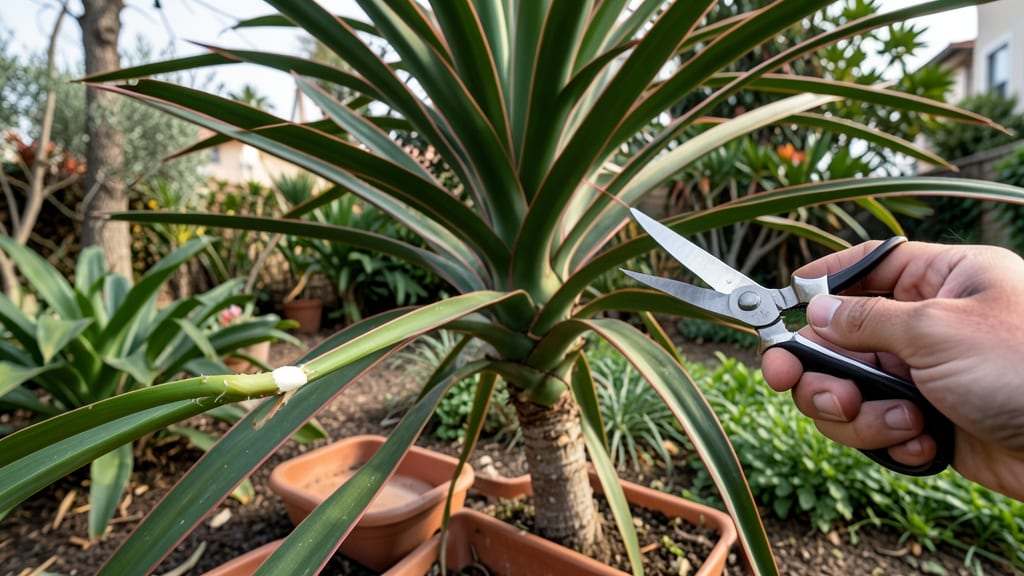
Your leggy Dracaena spike plant pruning doesn’t have to mean goodbye—just a few strategic cuts can turn it into a fuller, bushier beauty in no time. ✂️ I’ve revived more than a dozen of these striking plants by focusing on three key pruning points, each designed to encourage new growth where you want it most.
The secret isn’t aggressive trimming but precision: cutting at the right angles and nodes to spark fresh shoots.
You'll only need three simple tools: sharp pruning shears, rubbing alcohol for sterilization, and a small pot of well-draining soil mix for rooting cuttings.
The process takes less than 15 minutes once you identify the perfect spots—just above a leaf node, at a 45-degree angle, and never more than ⅓ of the plant's height at once. This approach prevents shock while maximizing regrowth potential.
What you end up with is a Dracaena that looks like it belongs in a botanical garden, not a forgotten corner. New shoots emerge within 4-6 weeks, and with proper care, your plant will fill out beautifully, its dark green leaves cascading in all directions.
The best part? Those cuttings you take root just as easily, giving you free plants to share or expand your collection.
Timing matters most: prune in early spring when the plant's energy is revving up for growth, or after flowering if yours blooms. Avoid heavy pruning in winter when the plant's natural cycle slows down. For indoor plants, this method works year-round—just adjust your expectations based on seasonal light changes.
📚 In This Guide
- What you need
- Instructions
- Tips and common mistakes
- Wrapping up and next steps
What you need
- ● Sharp pruning shears – Bypass pruners (4–6" blades) for clean cuts; avoid dull tools that crush stems.
- ● Rubbing alcohol (70% isopropyl) – 1 small bottle (4 oz) to sterilize tools before/after cuts.
- ○ Horticultural sealant (optional but helpful) – Pruning wax (e.g., Tanglefoot Tree Wound Pruning Sealer) to prevent sap oozing on large cuts.
- ● Glove – 1 pair of nitrile or leather gloves (to protect from sap and sharp edges).
- ● Newspaper or tray – 1–2 sheets to catch fallen leaves/debris during pruning.
- ● Water spray bottle – 8 oz with distilled water to mist cut stems (prevents shock).
- ● Rooting hormone – Cloning gel (e.g., Dip ‘N Grow) if propagating cuttings.
- ● Small pots – 2–3 4-inch diameter pots with drainage holes for propagation.
- ● LED grow light – 1 10–20W bulb for cuttings if natural light is limited.
- ● Sharp pencil or marker – To label propagated cuttings.
Step-by-step guide to pruning dracaena spike plants
Leggy dracaena spikes don't mean your plant is dying—they just need a strategic haircut. Here's how to revive them with confidence.
✂️ Step 1: Assess Growth and Identify Problem Areas
Examine your dracaena spike from top to bottom to spot the key issues. Leggy growth usually shows as long, bare stems with leaves clustered only at the top. Focus on the lowest 3-4 inches of bare stem—this is where you'll make your first cut. Healthy growth should have leaves spaced about 2-3 inches apart.
Look for any yellowing or brown leaves—these are signs of stress or overwatering. If you see them, trim them off first. You'll know you're ready to prune when you can clearly see where the healthy growth begins and the leggy section ends. This visual checkpoint is your guide for where to cut.
✂️ Step 2: Make the First Cut Just Below a Leaf Node
Use clean, sharp pruning shears to make your first cut about ½ inch below a leaf node. This is where new growth will sprout. You'll see small bumps or buds along the stem—these are your growth points. Cutting just below one ensures you don't accidentally remove a potential new shoot.
Don't worry if the cut looks uneven. Dracaena spikes are forgiving, and the plant will focus on healing the wound quickly. If your plant has multiple leggy stems, repeat this step for each one. You'll notice the plant's energy shifting upward as soon as you make the cut—watch for new leaves forming within 4-6 weeks.
✂️ Step 3: Propagate the Cutting to Encourage Bushier Growth
Place your cutting in a small container with 1 inch of water or moist potting mix. Keep it in a bright, indirect light spot—like an east-facing window—to encourage root growth. Roots should appear within 2-3 weeks if the cutting stays consistently moist but not soggy.
Here's the thing—propagating the cutting gives you a second, bushier plant while your original dracaena spike focuses on filling out its leggy sections. You'll know the cutting is ready to transplant when roots are at least 1-2 inches long. Plant it in fresh potting mix and keep it lightly watered until it establishes.
🌿 Step 4: Fertilize and Adjust Care for Faster Recovery
After pruning, feed your dracaena spike with a balanced liquid fertilizer diluted to half-strength. This gives it the nutrients to bounce back quickly. Water only when the top 1-2 inches of soil feel dry—overwatering after pruning stresses the plant more than it already is.
Move your dracaena spike to a spot with bright, indirect light for the next few weeks. Avoid direct sunlight, which can scorch new growth as the plant recovers. You'll see a noticeable difference in 6-8 weeks—the leggy stems will fill out, and new leaves will emerge along the lower sections.
☀️ Step 5: Maintain Pruning for Long-Term Health
Once your dracaena spike has recovered, keep it looking its best with regular maintenance pruning. Trim back any leggy growth as soon as it appears—this prevents the plant from becoming overgrown and unruly. Aim to prune every 6-12 months, depending on how fast your plant grows.
Real talk: Pruning isn't just about fixing leggy growth—it's about encouraging your dracaena spike to grow fuller and healthier. Over time, you'll develop a rhythm with your plant, knowing exactly when and where to cut for the best results. Your dracaena spike will thank you with lush, vibrant foliage for years to come.
Tips & tricks for reviving leggy dracaena spikes
Confession: I skipped the leaf-node check for years and wondered why my dracaena spikes never filled out. Here's what actually works.
Leaf Node Location: The half-inch below a leaf node is your magic spot. Look for those tiny bumps along the stem—they're not just decorative, they're growth points. If you cut too high, you risk removing potential new shoots. I learned this the hard way after accidentally trimming off a promising bud cluster. Always count those bumps from the bottom up before making your cut.
Cutting Tool Essentials: Don't use kitchen scissors or dull shears—they crush stems and create jagged wounds. Invest in a pair of clean, sharp pruning shears or even a small knife for precision cuts. Sterilize your tools with rubbing alcohol before and after use to prevent introducing bacteria to fresh cuts. Your plant will heal faster with clean, crisp cuts.
Propagation Lighting: That east-facing window isn't just a suggestion—it's critical. Bright, indirect light is the sweet spot for root development in cuttings. South-facing windows can be too intense, while north-facing ones may be too dim. If you don't have an east window, use a grow light 6-8 inches above your cuttings for 12 hours daily. I've seen cuttings wither when placed in low-light spots, even with perfect moisture levels.
Post-Pruning Care Timeline: The 6-8 week recovery window is your guide, but don't just wait passively. After pruning, give your plant a light misting every few days to maintain humidity while new growth establishes. The first 3 weeks are critical—this is when your dracaena decides whether to focus on healing or new growth. I've noticed plants that get consistent care during this period show new leaves within 3 weeks rather than the full 6-8 weeks.
Pro Tips for Dracaena Spike Plant Pruning
- Confession: I skipped the leaf-node check for years and wondered why my dracaena spikes never filled out.
- Leaf Node Location: The half-inch below a leaf node is your magic spot.
- Cutting Tool Essentials: Don't use kitchen scissors or dull shears—they crush stems and create jagged wounds.
Frequently asked questions
Got questions about pruning your Dracaena Spike? You’re not alone! Here are answers to the most common concerns—from timing to troubleshooting—so you can keep your plant thriving with confidence.
When is the best time to prune my Dracaena Spike?
Prune your Dracaena Spike anytime it’s leggy or overgrown, but spring or early summer is ideal. This gives the plant energy to recover and sprout new growth before winter. Avoid heavy pruning in fall or winter, as growth slows down, and the plant may struggle to bounce back.
Can I propagate my Dracaena Spike from cuttings?
After pruning, root the cuttings in water or moist potting mix to propagate new plants. Use the top 4–6 inches of healthy stems (with at least one node) and place them in indirect light. Roots should form in 2–4 weeks. Just avoid overwatering—they’re sensitive to rot!
Why does my Dracaena Spike turn brown after pruning?
Brown tips or leaves after pruning usually mean stress from overwatering, low humidity, or shock. Let the soil dry slightly between waterings, and mist leaves occasionally. If the browning spreads, trim the affected parts and adjust care. With time, new growth should emerge healthier!
How do I encourage bushier growth after pruning?
To promote bushiness, prune just above a leaf node (where leaves meet the stem) and avoid cutting too close to the base. After trimming, rotate the plant occasionally for even light exposure. Fertilize lightly with a balanced houseplant food every 4–6 weeks to support regrowth.
What if my Dracaena Spike doesn’t regrow after pruning?
If your plant stays dormant for months, check for root rot, pests, or insufficient light. Ensure it’s in bright, indirect light and water only when the top inch of soil is dry. If roots are mushy, repot in fresh soil. Patience is key—some varieties take 3–6 months to recover!
Wrapping up and next steps
Pruning your dracaena spike plant doesn’t have to be intimidating—with the right cuts, you can transform leggy growth into a lush, vibrant centerpiece! 🌿 Remember, confidence in technique (like the third-node cut or stem thinning) is key, and always sanitize your tools to keep your plant thriving.
Whether you’re trimming for shape, propagation, or health, your dracaena will thank you with fresh, energetic new growth.
Ready to level up your green thumb? Grab those shears and give your plant the care it deserves—then check out our propagation tips to multiply your success! 🌱