
Pruning
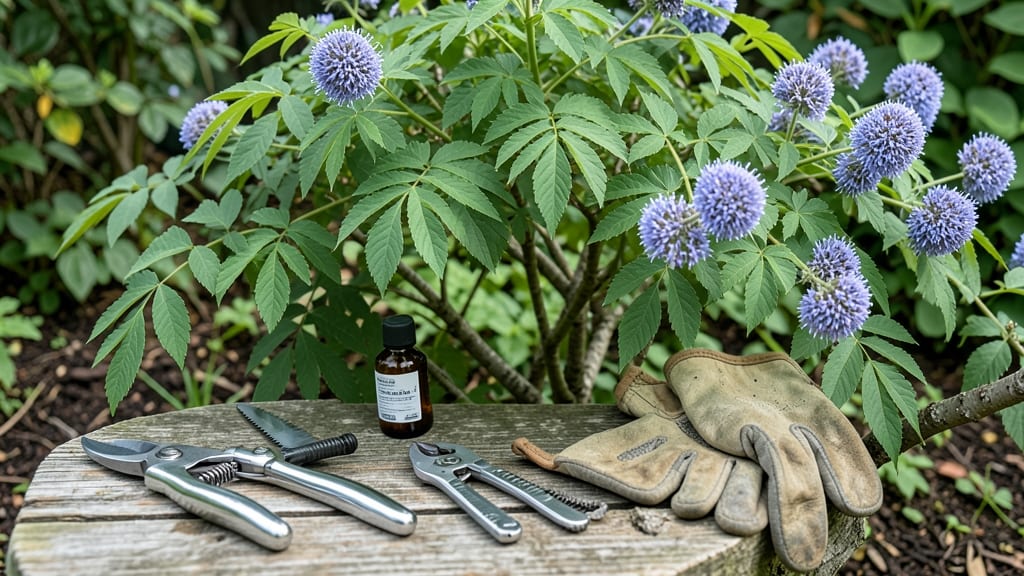
Pruning your chaste tree in late winter unlocks its full potential—year-round fragrance and thriving growth start with just a few strategic cuts. ✂️ I’ve watched my Vitex transform from a tangled mess into a lush, blooming beauty after mastering this simple technique, and the difference in scent and health is shocking.
The key is timing and technique: prune before buds swell to avoid stressing the plant, and always cut at a 45-degree angle just above a leaf node. Dead or crossing branches go first—this isn’t just about looks, it’s about airflow and sunlight reaching every part of the plant.
A sharp pair of pruners and a clean workspace are all you need to get started. By summer, you’ll see dense foliage and prolonged blooms that last well past most garden seasons. The plant rewards precision with richer fragrance and fewer pests, making the effort worth every minute.
Even my black thumb can’t mess this up once you know the basics. For those in colder zones, hold off until after the last frost—chaste trees are tough, but they hate wet, cold soil. And if you’re worried about over-pruning, remember: these plants bounce back faster than you’d expect.
📚 In This Guide
- What you need
- Instructions
- Tips and common mistakes
- Wrapping up and next steps
What you need
- ● Pruning shears: Sharp, bypass-style shears (4–6 inches) for small branches (test sharpness by cutting a piece of paper—it should glide through!). Quantity: 1 pair.
- ● Loppers: For thicker branches (½–1½ inches). Opt for anvil or bypass loppers with ratcheting handles for ease. Quantity: 1 pair.
- ● Pruning saw: A curved-tooth saw (8–10 inches) for branches over 1½ inches. Quantity: 1.
- ● Gloves: Heavy-duty, cut-resistant gloves (e.g., leather or synthetic blend) to protect against thorns and sap. Quantity: 1 pair.
- ● Disinfectant: Rubbing alcohol (70%+ isopropyl) or a pruning sealant (like Tanglefoot Pruning Seal) to prevent disease spread. Quantity: Small bottle.
- ○ Marking twine or flags: For tagging branches to remove (e.g., brightly colored surveyor’s tape). Optional but helpful.
- ● Ladder or step stool: Sturdy, non-slip (e.g., aluminum extension ladder) if the tree exceeds 6 feet. Quantity: 1.
- ● Trash bags or bucket: For collecting pruned branches (20–30 gallon capacity). Quantity: 1–2.
- ● Safety gear: Safety glasses and ear protection (if using a chainsaw for larger jobs). Quantity: 1 each.
- ○ First-aid kit: Bandages and antiseptic wipes for minor cuts. Optional but wise.
- ● Check the best time to prune: Late winter or early spring (before buds swell) for chaste trees (Vitex).
- ● Review your tree’s growth goals: Decide if you’re pruning for shape, size, health, or fragrance.
- ● Inspect the tree for diseases or pests (e.g., powdery mildew, spider mites). Treat before pruning if needed.
Step-by-step guide to pruning chaste tree for optimal growth
Here’s how to shape your chaste tree for maximum fragrance and structural health—without sacrificing its signature blooms.
✂️ Step 1: Time Your Pruning for Best Results
Prune chaste trees (Vitex agnus-castus) in late winter or early spring, just as new growth begins. This timing ensures you remove dead wood while encouraging robust spring blooms. Avoid pruning in fall, as new growth won’t harden off before winter, leaving it vulnerable to cold damage. If you must prune in summer, do so immediately after flowering to maintain shape without sacrificing next year’s blooms.
Watch for bud swell—when you see plump, rounded buds forming along the stems, that’s your cue. These buds signal the tree’s readiness to respond to pruning with vigorous new growth. If you prune too early, you risk cutting back dormant buds that won’t regrow. If you wait too long, you’ll miss the opportunity to shape the tree before summer’s heat sets in.
✂️ Step 2: Remove Dead, Diseased, or Weak Wood
Start by inspecting the tree for dead branches—these will be brittle, devoid of leaves, and often darker than healthy wood. Use sharp, clean pruning shears to make a clean cut just outside the branch collar (the swollen area where the branch meets the trunk). Cutting too close to the trunk can damage the tree’s healing tissue, while leaving a stub slows recovery.
Next, look for branches with signs of disease—yellowing leaves, black spots, or oozing sap. These should be removed immediately to prevent the spread of pathogens. Weak or crossing branches (those growing toward the center of the tree) should also go. These compete for sunlight and air circulation, reducing both flower production and overall health. Step back frequently to visualize the tree’s structure—you’re aiming for an open, airy shape that lets light penetrate to the inner branches.
✂️ Step 3: Thin Out Overcrowded Branches
Chaste trees thrive when they have good airflow, so focus on thinning rather than just cutting back. Select branches to remove based on their position and thickness—prioritize older, thicker branches over younger growth. Aim to reduce the canopy’s density by 20-30% to improve light exposure and air circulation. This encourages stronger, healthier growth and more abundant flowering.
When thinning, make your cuts at the branch collar, and avoid leaving stubs. You’ll notice the tree’s natural shape emerge as you remove competing branches. If a branch is too thick to cut with hand shears, use a pruning saw—but only if the branch is at least ½ inch in diameter. Thick cuts should be made on a dry day to minimize sap flow and reduce the risk of disease entry.
☀️ Step 4: Shape the Tree for Balance and Bloom
Chaste trees respond well to light shaping, so avoid aggressive heading cuts (cutting back to a specific length). Instead, focus on selective pruning to maintain a balanced form. Start at the top and work your way down, removing branches that disrupt the tree’s natural silhouette. For a more bushy appearance, prune the outer branches slightly more than the inner ones to encourage a fuller center.
Pay special attention to the scaffold branches (the main structural limbs). These should be spaced 6-12 inches apart along the trunk and angled outward to form a strong framework. If you notice any branches growing straight up or rubbing against others, prune them out to prevent weak growth or damage. After shaping, step back to assess the tree’s symmetry—your goal is a harmonious, open structure that maximizes both airflow and sunlight exposure.
🌿 Step 5: Clean Up and Monitor for Recovery
After pruning, sterilize your tools with rubbing alcohol to prevent the spread of disease between cuts. Collect and dispose of all pruned branches—never leave them on the ground, as they can harbor pests or diseases. Once the tree is pruned, water it deeply to help it recover from the stress of cutting. You’ll see new growth emerge within 4-6 weeks, signaling that the tree is responding well to the pruning.
Monitor the tree closely in the weeks following pruning. If you notice yellowing leaves or wilted branches, it may be a sign of over-pruning or stress. In this case, reduce watering slightly and avoid fertilizing until new growth appears. With proper care, your chaste tree will reward you with fragrant blooms and lush foliage all season long—while maintaining its health and vigor for years to come.
Tips & tricks for pruning your chaste tree like a pro
These precision-focused tips will help you transform your chaste tree into a fragrant, healthy showpiece—without the common pitfalls that leave trees stressed or over-pruned.
Timing is Everything: The late winter to early spring window isn't just about avoiding winter damage—it's when your chaste tree's energy is shifting from dormancy to growth. I've seen trees pruned in fall struggle with winter dieback because new growth doesn't have time to harden off. For summer pruning, that immediate post-flowering timing is critical: you're essentially giving your tree a "second chance" to shape up before next year's blooms. Watch for those plump buds—when they're swollen but haven't yet burst open, that's your exact moment to prune.
Tool Preparation Matters: Sterilizing your pruning shears between cuts (with rubbing alcohol) isn't just about disease prevention—it's about giving your tree the cleanest possible entry points for healing. I learned this the hard way after seeing a previously healthy tree develop bacterial cankers from contaminated tools. For thicker branches (½ inch or more), use a pruning saw on dry days to minimize sap flow. The cleaner and sharper your cuts, the faster the tree can seal those wounds and redirect its energy to new growth. Pro tip: Wipe down your tools with a damp cloth after each use to remove sap residue that can dull blades over time.
Visualizing the Canopy: Step back frequently during pruning to assess your work—this is where most mistakes happen. You're not just removing branches; you're sculpting the tree's future. Look for that open, airy shape that lets sunlight penetrate to the inner branches. I recommend the "branch collar" rule: always cut just outside this swollen area where branches meet the trunk. This preserves the tree's natural healing tissue and prevents unsightly stubs that can trap moisture and invite disease. Think of it like giving your tree a proper foundation for its new growth.
Recovery Strategy: The deep watering after pruning isn't just about hydration—it's about signaling to the tree that it's safe to focus on recovery. You'll notice new growth emerge within 4-6 weeks, but that's not the only sign of success. Healthy new leaves should appear vibrant green and firm to the touch. If you see yellowing or wilting, it's your cue to back off on watering and avoid fertilizing until new growth appears. This recovery period is when your tree is most vulnerable, so gentle care goes a long way in preventing stress-related setbacks.
Pro Tips for Chaste Tree Pruning
- These precision-focused tips will help you transform your chaste tree into a fragrant, healthy showpiece—without the common pitfalls that leave trees stressed or over-pruned.
- Timing is Everything: The late winter to early spring window isn't just about avoiding winter damage—it's when your chaste tree's energy is shifting from dormancy to growth.
- Tool Preparation Matters: Sterilizing your pruning shears between cuts (with rubbing alcohol) isn't just about disease prevention—it's about giving your tree the cleanest possible entry points for healing.
Frequently asked questions
Got questions about chaste tree pruning?
You’re not alone! Here are answers to the most common concerns—from timing to techniques—to keep your tree thriving and fragrant all year.
When is the best time to prune a chaste tree?
The ideal time is late winter or early spring (just before new growth starts). Avoid heavy pruning in fall—it can stimulate tender shoots vulnerable to cold. Light shaping in summer is fine, but avoid cutting into old wood after flowering, as it may reduce next year’s blooms.
How much can I trim without harming the tree?
Never remove more than 25-30% of the foliage in a single session. For young trees, focus on structural shaping (removing dead or crossing branches). Mature trees tolerate selective pruning to open the canopy—just avoid over-pruning, which weakens growth and bloom production.
What should I avoid when pruning a chaste tree?
- Topping: Cutting the main stem flat encourages weak, bushy growth. Instead, prune to an outward-facing bud.
- Pruning after frost: New cuts are more susceptible to disease in cold weather.
- Over-trimming flower buds: These form on old wood—cut sparingly to preserve next year’s blooms.
Can I prune a chaste tree in summer?
Yes, but lightly! Summer pruning is best for corrective shaping (e.g., removing suckers or overly dense branches). Avoid heavy cuts in mid-summer, as it stresses the tree and may delay fall blooms. If you must prune, do so early morning to reduce water loss.
What if my chaste tree isn’t blooming after pruning?
Check these fixes:
- Pruning timing: Did you cut too late? Flower buds set in late summer/fall—avoid heavy pruning then.
- Sunlight: Chaste trees need full sun (6+ hours/day). Shade reduces blooms.
- Fertilizer: Test soil—low phosphorus (P) can limit flowers. Use a balanced 10-10-10 fertilizer in spring.
Pro Tip:
Mark your pruning calendar! Use a color-coded system (e.g., red flags for winter cuts, green for summer) to track seasonal tasks and avoid mistakes. Happy pruning!
Wrapping up and next steps
Mastering chaste tree pruning isn’t just about shaping your plant—it’s about unlocking a year-round symphony of fragrance and vitality. 🌿 With the right tools, timing, and techniques, you’ll transform your chaste tree into a thriving, aromatic centerpiece that rewards both your garden and your senses.
Whether you’re a seasoned gardener or just starting, every careful cut brings you closer to a healthier, more beautiful plant.
Ready to take the next step? Start small: pick a single branch to practice, or revisit your notes to refine your approach. Before you know it, your chaste tree will be flourishing—and so will you! 🌸